
Chimney Inspection Minnesota: Professional Chimney & Fireplace Evaluation
A professional chimney inspection in Minnesota can help homeowners better understand the condition of their chimney and fireplace before seasonal use, cleaning, maintenance or repair.
Chimney Crickets evaluates accessible chimney and fireplace components for visible conditions that may require attention. Rather than assuming what is wrong based on a single symptom, an inspection helps establish a clearer picture of the system and the appropriate next step.
Minnesota chimneys also face repeated exposure to snow, ice, moisture and freeze/thaw cycles. These conditions can contribute to masonry deterioration and moisture-related concerns over time, making regular attention to chimney condition especially valuable.
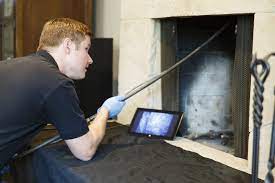
Professional Evaluation
Review accessible chimney and fireplace components and visible conditions without guessing at a diagnosis.
Minnesota Home Focus
Consider conditions associated with moisture, snow, ice and Minnesota’s repeated freeze/thaw cycles.
Clear Next Steps
Use inspection findings to determine whether cleaning, maintenance, repair or further evaluation may be appropriate.
Why a Professional Chimney Inspection in Minnesota Matters
A chimney inspection Minnesota homeowners request can help identify accessible or visible conditions involving masonry deterioration, deposits, moisture intrusion, damaged components and venting concerns that may not be apparent from the ground.
Some chimney problems develop gradually. Cracked mortar, deteriorated crowns, damaged flashing, liner concerns, creosote accumulation and other conditions may require closer evaluation before the appropriate service can be determined.
An inspection is also different from assuming that every chimney requires the same maintenance or repair. The appropriate scope depends on the chimney, fireplace or appliance, accessibility, existing conditions and reason for the inspection.
Chimney Crickets helps homeowners begin with evaluation so that cleaning, maintenance and repair decisions can be based on the condition of the system.
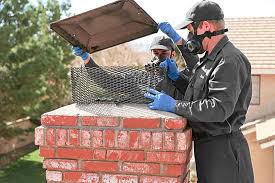
When Should You Request a Chimney Inspection?
Homeowners may consider a professional chimney inspection for several reasons.
An evaluation may be appropriate:
- Before regular seasonal fireplace use
- When visible brick or mortar deterioration appears
- After noticing water or moisture around the chimney
- When a chimney cap appears damaged or missing
- When fireplace draft or smoke behavior changes
- When unusual chimney or fireplace odors develop
- When debris appears in the fireplace or flue
- When creosote or soot buildup is suspected
- Before planning chimney repairs
- After purchasing a home with a chimney or fireplace
- When the condition or maintenance history of the chimney is uncertain
These signs do not establish a diagnosis on their own. Similar symptoms can have different causes, which is one reason professional evaluation may be useful.
7 Important Areas That May Be Reviewed During a Chimney Inspection
The exact inspection scope can vary according to the chimney system, accessibility and requested service. However, accessible components can provide important information about the chimney’s current condition.
1. Exterior Chimney Masonry
Brick, mortar joints and above-roof masonry may show signs of cracking, spalling, deterioration, open joints or movement.
Because exterior masonry is directly exposed to Minnesota weather, moisture and freeze/thaw conditions can be important considerations when visible deterioration is present.
Related Service: Chimney Masonry Repair →
2. Chimney Crown
The chimney crown helps direct water away from the masonry structure below.
Accessible crown areas may be evaluated for cracks, gaps or deterioration that could contribute to moisture entering vulnerable portions of the chimney.
Related Service: Chimney Crown Repair →
3. Chimney Flashing Area
Flashing helps manage water at the transition where the chimney passes through the roof.
Accessible areas may show separation, deterioration, damage or other conditions associated with possible water intrusion.
Because chimney leaks can originate from several different components, visible water does not automatically mean the flashing is responsible.
Related Service: Chimney Flashing Repair →
4. Chimney Cap
A chimney cap helps limit direct entry of rain, debris and animals into appropriate chimney openings.
A missing, loose, rusted or damaged cap may indicate that repair or replacement should be considered.
The appropriate solution depends on the chimney configuration and condition.
Related Service: Chimney Cap Replacement →
5. Visible Flue & Chimney Liner Conditions
Accessible flue areas may reveal deposits, debris, visible liner deterioration or other conditions that warrant attention.
The chimney liner provides a pathway for combustion byproducts and helps separate them from surrounding chimney materials.
Suspected liner damage should be evaluated before deciding whether repair, relining or another service is appropriate.
Related Service: Chimney Liner Services →
6. Fireplace & Accessible Components
Accessible portions of the fireplace may provide useful information about the condition of the system.
Depending on the fireplace and inspection scope, visible conditions around the firebox, damper area and other accessible components may help identify concerns that require maintenance, cleaning, repair or further evaluation.
Related Service: Fireplace & Chimney Services →
7. Draft, Smoke & Reported Performance Concerns
Changes in draft, smoke entering the room, unusual odors or other performance concerns can provide useful information during an inspection.
These symptoms can have multiple possible causes, so they should not be diagnosed from a single observation or photograph.
Evaluating the system and understanding when the symptoms occur can help determine an appropriate next step.
Chimney Inspection vs. Chimney Sweeping: What’s the Difference?
A chimney inspection and chimney sweeping serve different purposes.
An inspection focuses on evaluating accessible chimney and fireplace components and identifying conditions that may require attention.
Chimney sweeping focuses on removing soot, creosote and appropriate deposits or debris from the chimney system.
A chimney may require inspection without necessarily requiring cleaning. Likewise, an inspection can help determine whether sweeping should be recommended based on the condition and buildup present.
Learn More About Chimney Sweeping →
Related Chimney Services
Explore the full range of Chimney Crickets services for Minnesota homeowners:
🔍 Chimney Inspections — Start with a professional evaluation before any repair
🧱 Chimney Repointing — Restore deteriorated mortar joints in Minnesota masonry
👑 Chimney Crown Repair — Seal or rebuild a cracked or damaged chimney crown
🔩 Chimney Flashing Repair — Stop water entry at the roof-chimney junction
💧 Chimney Leak Repair — Trace and resolve active moisture entry
🛡️ Chimney Waterproofing — Protect repaired masonry from future moisture damage
🏗️ Full Masonry Repair — Comprehensive brick and mortar restoration
What Happens During the Chimney Inspection Process?
A straightforward process helps move from a homeowner’s concern to an appropriate next step.
01
Tell Us What You Have Noticed
Share the property location, reason for requesting an inspection and any symptoms or visible changes you have noticed.
Information about fireplace use, smoke, odors, leaks or previous concerns may also provide useful context.
02
Evaluate Accessible Components
Accessible chimney and fireplace components are reviewed according to the inspection scope and system conditions.
The goal is to identify relevant visible conditions rather than assume a diagnosis based on one symptom.
03
Understand the Findings
Inspection findings help establish what conditions are present and which areas may require attention.
04
Plan the Appropriate Next Step
Depending on the findings, the next step may involve chimney sweeping, maintenance, masonry repair, moisture-related service, component repair or additional evaluation.
Minnesota Chimney Inspection & Seasonal Conditions
Minnesota weather creates specific considerations for exterior chimney systems.
Chimney masonry can be exposed to rain, snow and melting ice. When vulnerable masonry absorbs water and temperatures fall below freezing, the moisture can freeze and expand. Repeated freeze/thaw cycles can contribute to deterioration of brick and mortar over time.
Crowns, flashing, caps and masonry all play roles in helping manage moisture around the chimney.
For that reason, a chimney inspection in Minnesota may be particularly useful when homeowners notice cracked masonry, deteriorating mortar, staining, leaks or changes following winter weather.
Seasonal fireplace use is another consideration. An inspection can help homeowners better understand accessible chimney conditions before periods of regular fireplace use.
Chimney Inspection Before Cleaning or Repair
An inspection can be useful before selecting a chimney service because visible symptoms do not always reveal their underlying cause.
For example, water around a fireplace could potentially be associated with several areas of the chimney or surrounding structure. Deteriorated masonry may range from localized mortar damage to a more extensive masonry condition.
Similarly, fireplace performance concerns may involve buildup, venting conditions or other components.
Starting with an appropriate evaluation helps homeowners avoid choosing a service based solely on assumptions.
What Can a Chimney Inspection Help Identify?
Depending on accessibility and inspection scope, an inspection may identify visible conditions such as:
- Soot or creosote accumulation
- Debris within accessible areas
- Cracked or deteriorated masonry
- Spalling brick
- Deteriorated mortar joints
- Crown cracking or deterioration
- Damaged or missing chimney caps
- Conditions associated with moisture intrusion
- Accessible flashing concerns
- Visible flue or liner concerns
- Fireplace component deterioration
- Conditions associated with reported draft or smoke problems
Finding one of these conditions does not automatically determine the repair needed. Inspection findings should be considered together to determine an appropriate next step.
Chimney Inspection Minnesota Homeowners Can Request From Chimney Crickets
Chimney Crickets helps Minnesota homeowners understand accessible chimney and fireplace conditions and determine an appropriate next step.
The company’s approach connects inspection findings with condition-based service recommendations. Depending on what is identified, the appropriate next step may involve cleaning, maintenance, repair, moisture protection or additional evaluation.
For a professional chimney inspection Minnesota homeowners can request for a chimney or fireplace concern, contact Chimney Crickets.
Chimney Crickets
2012 W 98th St
Bloomington, MN 55431
(612) 280-2467
MinneapolisBloomingtonBurnsvilleEaganApple ValleySavageShakopeePrior LakeLakeville
📍 View more Areas → Not sure if we serve your area? Call (612) 280-2467 to confirm.
Chimney Inspection FAQs
Direct answers to common homeowner questions about chimney inspection in Minnesota.
Direct answers to common homeowner questions.
How often should a chimney be inspected?
Inspection timing can depend on the chimney system, fireplace or appliance use, condition and maintenance history. An evaluation may also be appropriate when homeowners notice visible deterioration, moisture, smoke, odors or other changes.
What is included in a chimney inspection?
The scope varies according to the system and type of evaluation. Accessible portions of the chimney, masonry, crown, cap, flue, fireplace and other relevant components may be reviewed for visible conditions requiring attention.
Is an inspection the same as chimney sweeping?
No. Inspection evaluates accessible chimney and fireplace conditions. Sweeping focuses on removing soot, creosote and appropriate deposits or debris. An inspection can help determine whether cleaning is appropriate.
Do I need an inspection if I rarely use the fireplace?
Limited fireplace use does not necessarily mean the chimney has no maintenance concerns. Exterior masonry, crowns, flashing and caps remain exposed to weather even when a fireplace is rarely used.
Should I request an inspection after buying a home?
An inspection may be useful when you have purchased a home and the condition, use or maintenance history of the chimney and fireplace is uncertain.
Can a chimney look fine from outside but have problems?
Yes. A ground-level view cannot show every accessible or internal component. Some conditions may be located in the flue, liner, fireplace or areas that are difficult to see from outside.
What are signs I should request an inspection?
Cracked masonry, deteriorated mortar, water stains, unusual odors, smoke entering the room, draft changes, damaged caps, visible deposits or debris may indicate that professional evaluation is appropriate.
Does an inspection diagnose a chimney leak?
An inspection can help identify visible conditions that may be associated with moisture intrusion. Because water can enter around different chimney or building components, the source should be evaluated before a specific repair is selected.
Can photos replace an on-site chimney inspection?
No. Photographs can provide useful information about visible symptoms, but they generally cannot establish the complete condition of the chimney and fireplace system.
Can an inspection determine if chimney cleaning is needed?
An inspection may identify visible soot, creosote or other deposits and help determine whether chimney sweeping or cleaning is appropriate.
How long does a chimney inspection take?
Inspection time depends on the chimney system, accessibility, condition and scope of the service. A specific timeframe should be confirmed for the property and requested inspection.
What should I do before the inspection?
Make sure the service provider can access the relevant chimney or fireplace areas and share any symptoms or concerns you have noticed. Any specific preparation requirements should be confirmed when requesting service.
Do Minnesota winters affect chimney inspection needs?
Minnesota’s snow, ice, moisture and freeze/thaw cycles can affect exterior chimney masonry and other exposed components. Visible changes following seasonal weather may be a reason to request professional evaluation.
How do I request a chimney inspection?
Service time depends on the chimney’s condition, accessibility and the work required. A specific timeframe should be confirmed based on the requested service.
How do I request chimney service?
Call Chimney Crickets at (612) 280-2467 to discuss your chimney or fireplace concern and request an inspection.