Chimney Sweeping in Minnesota: Professional Soot, Creosote & Debris Removal
CHIMNEY CRICKETS • CHIMNEY SWEEPING SERVICE
Chimney sweeping in Minnesota should be based on the evaluated condition of the chimney and its deposits — not a fixed calendar assumption or a one-size-fits-all schedule. Chimney Crickets helps homeowners across Minneapolis, Bloomington and the South Metro remove accessible soot, creosote and flue debris using the sweeping method appropriate for the chimney type, appliance and deposit characteristics.
Condition-Based Evaluation
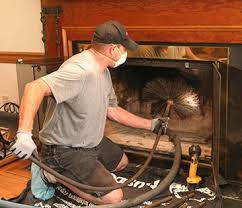
Sweeping recommendations begin with the homeowner’s concern and the chimney’s accessible condition. Chimney Crickets evaluates the flue, deposit type and system before selecting the appropriate sweeping method — not after assuming what is needed.
Minnesota Weather Awareness
Service planning accounts for Minnesota’s extended heating season, cold flue conditions, seasonal fireplace use and moisture factors that can affect deposit formation and chimney components.
Clear Next Steps
Chimney Crickets explains what the visible deposits involve, what sweeping will address, and whether additional inspection, cleaning, repair or component service should also be considered.
What Is Chimney Sweeping?
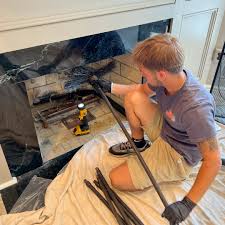
Chimney sweeping is the mechanical process of removing soot, creosote and accessible debris from the interior surfaces of a chimney flue using professional brushes, rods and specialized equipment. The goal is to clear combustible deposits and obstructions from the flue passage so that the chimney can vent properly and safely.
Chimney sweeping is the most recognized form of chimney maintenance. It has been practiced for centuries, and modern sweeping uses engineered tools designed for specific flue types, liner materials and deposit conditions.
Sweeping addresses deposits inside the flue. It does not repair damaged masonry, replace a cracked liner, fix failed flashing, rebuild a deteriorated crown or resolve every source of a draft problem. When another condition is contributing to the deposits or affecting the chimney’s performance, additional evaluation may be recommended.
Chimney Sweeping vs Chimney Cleaning: What Is the Difference?
Homeowners often use these terms interchangeably, and for many situations the distinction is small. However, they can describe different scopes of work.
| Feature | Chimney Sweeping | Chimney Cleaning |
|---|---|---|
| Primary focus | Mechanical brushing of soot, creosote and debris from flue surfaces | Broader service that may include the flue, firebox, smoke chamber, damper, cleanout and other accessible areas |
| Tools | Professional chimney brushes, rods and rotary equipment | Brushes, rods, vacuums, scrapers and component-cleaning tools |
| Scope | Focuses on the flue passage and directly accessible deposit surfaces | May extend to firebox walls, smoke shelf, damper hardware, cleanout areas and other included components |
| When appropriate | When flue deposits are the primary concern and no broader cleaning is needed | When the entire accessible system — not only the flue — has deposits, ash or debris requiring service |
In practice, many chimney appointments include both flue sweeping and accessible component cleaning. Chimney Crickets determines the appropriate scope based on the chimney’s condition and the homeowner’s concern.
When Chimney Sweeping in Minnesota Should Be Evaluated
The following conditions may indicate that chimney sweeping is appropriate. However, similar symptoms can have more than one cause. The chimney should not be diagnosed from the ground or from photographs alone.
Visible Creosote in the Flue
Creosote visible on accessible flue surfaces, the damper area or the smoke chamber may indicate that sweeping is needed. The type and thickness of creosote determine the appropriate sweeping method.
Soot Around the Firebox or Damper
Dark, powdery soot on firebox walls, the damper blade, the smoke shelf or other accessible surfaces may indicate accumulation that should be addressed.
Debris Falling from the Flue
Material falling into the firebox may be loosened creosote, masonry fragments, nesting material or exterior debris. The source should be identified before assuming that sweeping alone will resolve the concern.
Strong Chimney or Fireplace Odors
Smoky, tar-like, musty or creosote-related odors may become stronger during warm or humid weather. Sweeping may reduce deposit-related odors, but moisture, airflow and pressure conditions may also be involved.
Reduced Draft or Slow-Starting Fires
Difficulty establishing a draft, slow-starting fires or weak airflow may involve deposits, a partial obstruction, damper position, air-pressure conditions inside the home, chimney height, weather or a system defect. These symptoms require evaluation.
Frequent or Heavy Wood-Burning Use
Homeowners who use a wood-burning fireplace, insert or stove frequently — especially during Minnesota’s long heating season — may accumulate deposits faster than occasional users.
Smoke Entering the Living Area
Stop using the fireplace if smoke regularly enters the home. Smoke entry may involve deposits, a blockage, draft conditions, appliance operation or a system defect and should be evaluated before the system is used again.
Unknown Service History
If you recently purchased the home or cannot confirm when the chimney was last swept, request an inspection. The findings will determine whether sweeping is appropriate and which method to use.
Chimney Inspection Findings
If you recently purchased the home or cannot confirm when the chimney was last swept, request an inspection. The findings will determine whether sweeping is appropriate and which method to use.
Important: A chimney that appears clean from the firebox may still have significant deposits higher in the flue. Deposits above the damper or inside the smoke chamber may not be visible without professional access.
What Causes Soot and Creosote to Accumulate?
Soot and creosote are natural by-products of burning wood. Several connected conditions influence how quickly deposits form and what type of creosote develops.
Fuel Quality
Unseasoned, green or moisture-laden firewood produces more smoke and cooler combustion conditions. The EPA recommends burning seasoned wood with approximately 20% or lower moisture content to reduce emissions and deposits.
Burning Practices
Extended smoldering, overnight burns, restricted air supply, overloaded fireboxes and low-temperature fires can produce more smoke and increase deposit formation compared to hotter, well-established fires.
Airflow and Draft
A partially closed damper, insufficient combustion air supply, a constricted flue, an improperly sized flue or a structural draft issue may slow the movement of combustion gases — allowing more condensation and creosote formation on flue surfaces.
Flue Temperature
Creosote condenses more readily on cooler flue surfaces. Exterior chimney location, cold Minnesota temperatures, poor chimney insulation and oversized flues can all lower the flue temperature during operation.
Appliance and System Configuration
Flue-size mismatches, sharp offsets, incorrect connector dimensions and incompatible appliance connections can affect where deposits form and how intensively the system must be swept.
Frequency of Use
More frequent fireplace or stove use during Minnesota’s extended winter produces more combustion by-products. Without periodic sweeping, deposits accumulate from one season to the next.
Types of Creosote and Why They Matter
Not all chimney deposits are the same. The type of creosote affects the sweeping method, difficulty of removal and risk level.
Stage 1
Flaky or Sooty Creosote
A light, powdery or flaky deposit that is the easiest to remove. Standard chimney brushes are generally effective. This type forms under relatively good combustion conditions with adequate draft and reasonably dry fuel.
Stage 2
Shiny, Flaky or Granular Creosote
A denser, darker deposit that may appear shiny, crunchy or tar-like in patches. It forms under less favorable combustion conditions and is harder to remove than Stage 1. Mechanical or rotary sweeping may be required.
Stage 3
Glazed or Hardened Creosote
A thick, hard, tar-like or glossy coating that is extremely difficult to remove with standard brushing. Glazed creosote forms under poor combustion conditions with restricted airflow, moist fuel and low flue temperatures. It is highly combustible.
Stage 3 creosote may require chemical pre-treatment before mechanical removal or a specialized professional treatment. Standard sweeping alone may not effectively remove this type.
Safety note: The CSIA identifies Stage 3 glazed creosote as a significant chimney fire concern. A professional evaluation should determine the appropriate removal method. Continued fireplace use with substantial glazed creosote in the flue is not recommended.
How Often Should a Minnesota Chimney Be Swept?
There is no single sweeping schedule that applies to every chimney in Minnesota. Sweeping frequency depends on:
- Fireplace or appliance type
- Fuel type and quality
- Frequency and duration of use
- Burning practices and fire-management habits
- Moisture content of firewood
- Chimney design and flue configuration
- Flue temperatures during operation
- Airflow and draft conditions
- Type and rate of deposit accumulation
- Overall system condition
Industry guidance recommends that chimneys, fireplaces and vents be inspected at least once a year, with sweeping, maintenance and repairs performed when inspection findings indicate they are necessary.
Annual inspection is recommended. Annual sweeping is not automatically required for every chimney. The appropriate sweeping schedule should be based on what an inspection reveals — not a fixed calendar interval.
General guidance by use level
| Use Level | Approximate Guidance |
|---|---|
| Heavy use (daily or near-daily during heating season) | Inspect before the season begins; sweep when deposits indicate — possibly mid-season as well |
| Moderate use (several times per week during winter) | Annual inspection; sweep when findings indicate |
| Light or occasional use (a few times per month or season) | Annual inspection; sweep as needed based on deposit type and amount |
| No recent use | Inspect before resuming use; sweep if deposits, debris or an obstruction is found |
These are general guidelines. The actual frequency should always be confirmed by professional evaluation of the specific chimney system.
Chimney Sweeping Methods and Options
Chimney sweeping is not one-size-fits-all. The appropriate method depends on the flue type, liner material, chimney construction, access, deposit type and findings from the evaluation.
Standard Rod-and-Brush Sweeping
Professional chimney brushes matched to the flue dimensions and liner material are used with sectional rods to loosen and remove soot and lighter creosote from the flue surfaces. This is the most common and widely recognized sweeping method.
Brushes are available in different materials — polypropylene for metal liners, wire for clay-tile liners, and specialty configurations for specific systems. Using the wrong brush type can damage the liner.
Rotary or Mechanical Sweeping
Power-driven rotary tools with specialized heads may be used for heavier deposits, Stage 2 creosote or systems where standard brushing is insufficient. The rotary method should be matched to the flue construction and liner material.
Top-Down Sweeping
The sweep works from the chimney top downward, pushing deposits toward the firebox where they can be collected. This approach provides the sweep with direct visual access to the flue opening and crown area.
Bottom-Up Sweeping
The sweep works from the firebox upward. This method may be used when roof access is limited or the chimney configuration favors ground-level access. Containment around the firebox opening helps manage dust and debris.
Chemical Pre-Treatment
For Stage 3 glazed or hardened creosote, a chemical treatment product may be applied to the deposit surface before mechanical sweeping. The chemical breaks down the glaze structure so it can be more effectively removed with brushes.
Chemical products are not a substitute for professional mechanical sweeping. They are a preparation step — not a standalone solution.
Debris and Obstruction Removal
Leaves, nesting material, masonry fragments and other accessible material in the flue may require removal before, during or after the sweeping process. The entry point should be identified and corrected — cap installation or replacement may be recommended.
Camera-Assisted Inspection
A camera inspection of the flue may be recommended before, during or after sweeping when deposits are unusually heavy, the flue has an unknown history, a liner concern is suspected, or a chimney-fire event may have occurred.
Important: Not every sweeping method is appropriate for every chimney. The brush type, method and equipment must match the flue dimensions, liner material and deposit type. Mismatched equipment may damage the liner or fail to remove the deposits effectively.
How Chimney Sweeping in Minnesota Works
Step 1
Describe the Concern
Contact Chimney Crickets and share what you have noticed about the chimney, fireplace or connected appliance.
Helpful information includes:
- Property address in Minneapolis, Bloomington or the South Metro
- Fireplace, insert or appliance type
- Fuel type
- Approximate frequency of use
- Last known sweeping or inspection date
- Visible soot or creosote
- Debris falling into the firebox
- Unusual odors
- Smoke or draft changes
- Water staining or leakage near the chimney
- Recent chimney or roofing work
- Whether the home was recently purchased
Step 2
Evaluate the Flue and Accessible Conditions
Chimney Crickets reviews the accessible flue, firebox, damper area and related components. The evaluation determines whether sweeping is appropriate, which method is suited to the deposits and whether additional inspection is warranted.
Step 3
Confirm the Sweeping Scope and Method
The recommended service is based on the chimney type, flue configuration, liner material, deposit type and evaluated condition. The brush type, equipment and method are matched to the system.
Step 4
Perform the Sweeping
Applicable flue surfaces are swept using tools and techniques suited to the system and deposit type. Work areas around the firebox are protected and cleaned following the service. Loosened material is collected and removed.
Step 5
Review Findings and Next Steps
After sweeping, Chimney Crickets explains relevant visible findings identified during the service and communicates whether additional inspection, component cleaning, masonry repair, cap replacement, liner evaluation or moisture correction should be considered.
Chimney Sweeping and Minnesota Conditions
Minnesota conditions can affect chimney sweeping needs in several indirect but important ways.
Extended Heating Season
Minnesota’s long, cold winters — often running from late October through April — may lead to heavier and more sustained fireplace or stove use than in milder climates. More use produces more combustion by-products and may require more frequent sweeping.
Cold Flue Conditions
Cold outdoor temperatures can lower the temperature of the flue surface, especially in exterior chimneys. Cooler flue surfaces may promote more rapid creosote condensation during each use.
Seasonal Firewood Conditions
Firewood stored outdoors in Minnesota may absorb moisture from rain, snow or ground contact between seasons. Burning inadequately seasoned or moisture-laden wood increases smoke production and deposit formation.
Post-Season Concerns
Soot and creosote left in the flue at the end of the heating season absorb moisture during spring and summer. This can produce stronger chimney odors when the home is conditioned and may contribute to flue deterioration in chimneys with older liners.
Storm and Animal Activity
Wind, storms and seasonal animal activity may introduce leaves, nesting material or debris into an unprotected flue. Missing or damaged caps allow direct entry.
Interconnected Component Conditions
Freeze-thaw cycling, moisture and temperature stress may affect masonry, the crown, cap and flashing while deposits are also accumulating inside the flue. Sweeping may reveal deterioration that is unrelated to deposits but should still be addressed.
For these reasons, chimney sweeping in Minnesota should be considered as part of the broader chimney system’s condition — not as an isolated service independent of inspection and maintenance.
Other Chimney Services
Explore the full range of Chimney Crickets services for Minnesota homeowners:
🔍 Chimney Inspections — Start with a professional evaluation before any repair
🧱 Chimney Repointing — Restore deteriorated mortar joints in Minnesota masonry
👑 Chimney Crown Repair — Seal or rebuild a cracked or damaged chimney crown
🔩 Chimney Flashing Repair — Stop water entry at the roof-chimney junction
💧 Chimney Leak Repair — Trace and resolve active moisture entry
🛡️ Chimney Waterproofing — Protect repaired masonry from future moisture damage
🏗️ Full Masonry Repair — Comprehensive brick and mortar restoration
Important Chimney Sweeping Safety Information
Stop using the fireplace or connected appliance and request professional evaluation if:
- Smoke regularly enters the living area
- A carbon monoxide alarm activates
- A chimney fire may have occurred
- A significant blockage is suspected
- Heavy debris is falling into the firebox
- The chimney or an exterior component appears structurally unstable
- Strong, sudden or unusual odors develop during operation
If there is an active fire, a suspected carbon monoxide emergency or an immediate safety threat, leave the affected area and contact emergency services.
What does a chimney fire sound like?
A chimney fire may produce a loud roaring, cracking or popping sound from inside the chimney. Flames, dense smoke or intense heat from the chimney exterior may also be visible. If a chimney fire is suspected, evacuate immediately and call emergency services. Do not attempt to extinguish a chimney fire yourself.
A chimney that has experienced a possible chimney fire should not be used again until it has been professionally inspected. Sweeping alone is not sufficient — the liner, masonry and surrounding construction should be evaluated for heat damage.
Chimney Sweeping in Minnesota Homeowners Can Request From Chimney Crickets
Chimney Crickets helps Minnesota homeowners understand accessible chimney and fireplace conditions and determine an appropriate next step.
The company’s approach connects inspection findings with condition-based service recommendations. Depending on what is identified, the appropriate next step may involve cleaning, maintenance, repair, moisture protection or additional evaluation.
For a professional chimney sweeping in Minnesota homeowners can request for a chimney or fireplace concern, contact Chimney Crickets.
Chimney Crickets
2012 W 98th St
Bloomington, MN 55431
(612) 280-2467
MinneapolisBloomingtonBurnsvilleEaganApple ValleySavageShakopeePrior LakeLakeville
📍 View more Areas → Not sure if we serve your area? Call (612) 280-2467 to confirm.
Chimney Sweeping FAQs — Minnesota Homeowners
What is chimney sweeping?
Chimney sweeping is the mechanical process of removing accessible soot, creosote and debris from chimney flue surfaces using professional brushes, rods and specialized equipment. The method and scope depend on the flue type, liner material, deposit characteristics and inspection findings.
Is chimney sweeping the same as chimney cleaning?
The terms overlap significantly. “Chimney sweeping” most specifically refers to brushing the flue interior to remove deposits. “Chimney cleaning” may describe a broader service that also includes the firebox, smoke chamber, damper area, cleanout and other accessible components.
When should I request chimney sweeping in Minnesota?
Request an evaluation when you notice visible creosote or soot, falling debris, strong chimney odors, draft changes, smoke entering the room, or when the chimney has an unknown service history. Annual inspection helps determine whether sweeping is needed.
What commonly causes chimney sweeping to be needed?
Soot and creosote are natural by-products of burning wood. Unseasoned firewood, restricted airflow, low-temperature fires, cooler flue conditions, heavy seasonal use and appliance configuration all influence how quickly deposits accumulate.
What is creosote and why is it a concern?
Creosote is a combustible residue that forms when wood-burning by-products cool and condense on flue surfaces. It ranges from a light, flaky deposit to a hard, glazed coating. Sufficient creosote accumulation increases the risk of a chimney fire.
What are the different types of creosote?
Stage 1 is a light, sooty or flaky deposit that is easily removed by standard brushing. Stage 2 is a denser, shiny or granular deposit that may require mechanical sweeping. Stage 3 is a hard, glazed or tar-like coating that is extremely difficult to remove and highly combustible.
Can Minnesota weather affect chimney sweeping needs?
Minnesota’s long heating season may lead to heavier fireplace use and faster deposit accumulation. Cold outdoor temperatures contribute to cooler flue surfaces where creosote condenses more readily. These factors may increase the frequency at which sweeping becomes appropriate.
How often should a Minnesota chimney be swept?
Sweeping frequency depends on the fireplace type, fuel, frequency of use, burning practices and deposit type — not a fixed calendar rule. Annual inspection determines whether sweeping is warranted. Heavily used wood-burning systems may need sweeping more than once per season.
Can chimney sweeping needs be diagnosed from a photograph?
Photographs may show visible soot or deposits in accessible firebox areas. However, they generally cannot confirm the full flue condition, the extent of deposits above the damper, liner concerns, obstruction location or the creosote type.
Does every chimney need the same sweeping method?
No. The sweeping method must match the flue dimensions, liner material and deposit type. Standard brushes, rotary equipment, chemical pre-treatment or a combination may be appropriate. Using the wrong method or brush type can damage the liner.
Will the chimney be inspected before sweeping?
Accessible conditions should be reviewed before the sweeping scope and method are confirmed. A more detailed camera-assisted inspection may be recommended if visible findings suggest liner damage, an animal obstruction, a significant blockage or a chimney-fire concern.
How long does chimney sweeping take?
Duration depends on the flue length, number of flues, access, deposit type and amount, the sweeping method and whether additional inspection is included. Chimney Crickets can provide more specific scheduling information after reviewing the property and system.
Can chimney sweeping help prevent a chimney fire?
Removing combustible creosote deposits is one of the most direct actions a homeowner can take to reduce chimney-fire risk. However, sweeping cannot prevent every chimney problem and does not replace needed masonry, liner, cap, crown or flashing repairs.
Is chimney sweeping only for wood-burning fireplaces?
Standard creosote and soot sweeping primarily applies to wood-burning fireplaces, inserts and stoves. Gas, oil and other vented systems may still need inspection or accessible debris removal, but their deposits and service requirements are different.
Can chimney sweeping logs or chemical products replace professional sweeping?
No. Commercially available sweeping logs and chemical products may help loosen certain deposits, but they do not remove the loosened material from the flue. Professional mechanical sweeping and inspection are still required.
What should I do if I suspect a chimney fire has occurred?
Stop using the fireplace immediately. Do not use the system again until the chimney has been professionally inspected — not just swept. A chimney-fire inspection should evaluate the liner, masonry and surrounding construction for heat damage before the system is cleared for use.
What other services may be related to chimney sweeping?
Related services may include chimney inspection, chimney cleaning, creosote removal, cap replacement, liner evaluation, masonry repair, crown repair, flashing repair, leak evaluation, waterproofing and fireplace component service.
Should I stop using the fireplace before a sweeping appointment?
Stop using it immediately if smoke enters the home, a chimney fire may have occurred, a blockage is suspected or an unsafe condition exists. For routine sweeping, ask Chimney Crickets whether the fireplace must remain unused for a specific period before the appointment.
What information should I provide when requesting chimney sweeping?
Provide the property address, fireplace or appliance type, fuel, approximate frequency of use, last known sweep or inspection date, and a description of any soot, odors, debris, smoke or draft changes. Include photographs when safely obtainable.
What is the main benefit of professional chimney sweeping?
The primary benefit is the removal of combustible deposits and accessible debris from the flue, which supports safe venting and reduces one of the most significant risk factors for chimney fires. The service also creates an opportunity to identify conditions that may need inspection or repair.
How do I request chimney sweeping in Minnesota?
Call Chimney Crickets at (612) 280-2467 or submit the online service-request form. Include your property address, fireplace or appliance type, fuel and a description of the soot, odors, debris or performance changes you have noticed.