
Chimney Cap Replacement in Minnesota: Professional Cap Service
CHIMNEY CRICKETS • CHIMNEY CAP & COMPONENT SERVICE
Chimney Crickets provides professional chimney cap replacement in Minnesota for homeowners with missing, rusted, loose, storm-damaged, or unsuitable chimney caps. Recommendations are based on the chimney type, cap measurements, visible condition, access, and surrounding components—not assumptions.
A properly selected chimney cap may help limit direct entry from rain, snow, animals, leaves, and other debris. However, replacing a cap does not automatically correct crown cracks, failed flashing, damaged masonry, or every chimney leak.
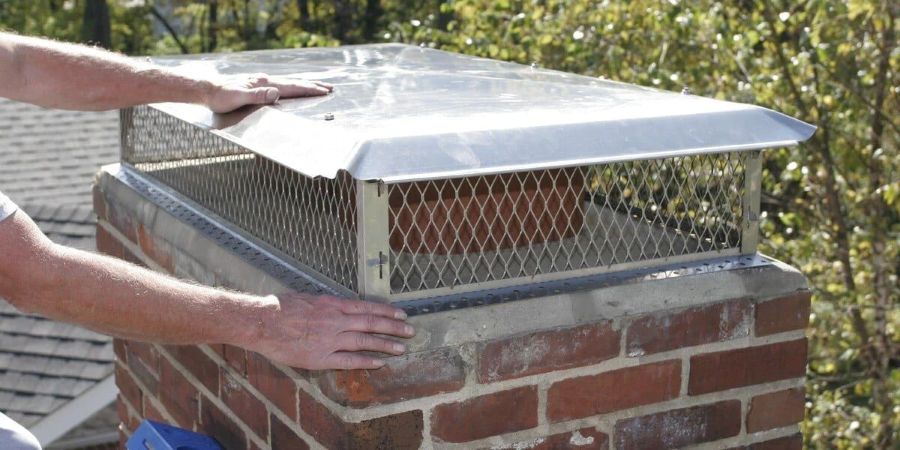
Condition-Based Evaluation
Chimney Crickets begins with the homeowner’s concern and the chimney’s accessible condition. The existing cap, flue termination, attachment points, masonry, crown, chase cover, and nearby components are reviewed as applicable.
Minnesota Weather Awareness
Service planning considers wind, snow, ice, moisture, corrosion, and recurring freezing and thawing. These conditions can affect both the chimney cap and the components supporting it.
Clear Replacement Options
Chimney Crickets explains the visible findings, whether cap replacement appears appropriate, and whether cleaning, masonry repair, crown service, or another related service should be considered.
What Is Chimney Cap Replacement?
Chimney cap replacement is the removal of a missing, damaged, corroded, loose, or unsuitable chimney cap and the installation of a properly selected replacement. The replacement must fit the chimney or venting system without creating an inappropriate restriction.
The service may involve:
- Removing the existing damaged cap
- Inspecting accessible attachment areas
- Measuring the flue or chimney termination
- Identifying the chimney or venting-system type
- Selecting a compatible replacement
- Installing and securing the new cap
- Reviewing related visible conditions
The exact scope depends on whether the home has a masonry chimney, multiple flues, a factory-built chimney, a metal venting system, or another configuration.
What Does a Chimney Cap Do?
Homeowners may consider a professional chimney inspection for several reasons.
An evaluation may be appropriate:
✔ Before regular seasonal fireplace use
✔ When visible brick or mortar deterioration appears
✔ After noticing water or moisture around the chimney
✔ When a chimney cap appears damaged or missing
✔ When fireplace draft or smoke behavior changes
✔ When unusual chimney or fireplace odors develop
✔ When debris appears in the fireplace or flue
✔ When creosote or soot buildup is suspected
✔ Before planning chimney repairs
✔ After purchasing a home with a chimney or fireplace
✔ When the condition or maintenance history of the chimney is uncertain
These signs do not establish a diagnosis on their own. Similar symptoms can have different causes, which is one reason professional evaluation may be useful.
What a chimney cap cannot do
A chimney cap cannot, by itself:
❌ Repair a cracked chimney crown
❌ Replace a deteriorated chase cover
❌ Seal failed roof flashing
❌ Restore damaged brick or mortar
❌ Repair a damaged chimney liner
❌ Remove an existing flue obstruction
❌ Correct every draft or smoke problem
❌ Waterproof the exterior masonry
❌ Resolve every source of chimney leakage
If water entry has more than one cause, cap replacement may be only one part of the appropriate service plan.
Signs a Chimney Cap May Need Replacement
Warning signs should be evaluated from a suitable access point. A chimney cap should not be diagnosed only from the ground when its condition, fit, or attachment cannot be seen clearly.
Missing Chimney Cap
An uncovered flue may allow direct entry by precipitation, debris, or animals. The chimney should be evaluated to determine the correct cap type and whether anything entered the flue while it was uncovered.
Rust or Corrosion
Surface rust, corrosion, holes, weakened seams, or deteriorated fasteners may indicate that the cap has reached the point where replacement should be considered.
Rust may also appear on nearby components. Its source should be identified before assuming the cap is the only affected part.
Loose, Crooked, or Unstable Cap
A cap that has shifted, tilted, or partially detached may have damaged fasteners, an unsuitable fit, storm exposure, or deterioration at its attachment points.
A visibly unstable cap should be addressed promptly because it may detach further during windy weather.
Damaged Screening
Bent, broken, missing, or heavily obstructed screening may reduce the cap’s ability to limit debris or animal entry. Screening that is too restrictive may also be unsuitable for the system.
Wind, Ice, or Storm Damage
Strong wind, falling branches, snow movement, ice, and severe weather may bend or dislodge a chimney cap. The chimney termination and nearby roof or masonry areas should also be checked for visible damage.
Poor Cap Fit
A cap may be too small, too large, inadequately secured, installed at an unsuitable height, or incompatible with the chimney system.
A poor fit can reduce the cap’s effectiveness and may interfere with proper system operation.
Animal or Debris Entry
Sounds, nesting material, leaves, or debris in the chimney may indicate a missing or damaged cap. Animal-related or obstruction service may be required before a replacement cap is installed.
Water or Rust Inside the Fireplace
Water, staining, or rust near the fireplace may be associated with direct precipitation through an uncovered flue. However, the crown, flashing, chase cover, masonry, and roof connection may also contribute.
Heat-Damaged or Distorted Cap
A discolored, warped, or distorted rain cap can be a warning sign associated with a possible chimney fire. If a chimney fire may have occurred, stop using the system and request an appropriate professional inspection rather than replacing the cap alone.
Chimney Cap Replacement and Related Components
Several components near the top of a chimney perform different jobs. Correctly identifying the damaged component helps prevent incomplete or unnecessary work.
| Component | Primary Function | Possible Service |
|---|---|---|
| Chimney cap | Covers an applicable flue opening and may limit precipitation, debris, and animal entry | Cap repair or replacement |
| Chimney crown | Covers the top of a masonry chimney around the flues and directs water away from the masonry | Crown repair, sealing, or replacement |
| Chase cover | Covers the top of an applicable framed or factory-built chimney chase | Chase-cover repair or replacement |
| Flashing | Seals the connection between the chimney and roof | Flashing repair or replacement |
| Flue liner | Provides the passage through which combustion products travel | Liner inspection, repair, or relining |
| Masonry | Forms the exterior chimney structure on a masonry system | Repointing, brick replacement, or rebuilding |
Important: A chimney cap is not the same component as a chimney crown or chase cover. A leaking chimney should be evaluated before assuming that cap replacement will resolve the entire problem.
Chimney Cap Replacement and Minnesota Conditions
Minnesota chimney caps are exposed to changing temperatures, rain, snow, wind, ice, moisture, and winter weather. These conditions can contribute to corrosion, damaged screening, loose fasteners, displacement, and deterioration of nearby masonry.
Seasonal conditions may affect a chimney cap in several ways:
- Wind may loosen an inadequately secured cap.
- Ice and snow movement may stress caps or nearby components.
- Moisture may contribute to corrosion on unsuitable or aging materials.
- Freezing and thawing may weaken surrounding masonry.
- Falling branches may bend or dislodge a cap.
- Animals may enter through missing or damaged screening.
- Wind-driven precipitation may expose problems with cap fit or coverage.
For these reasons, chimney cap replacement in Minnesota should account for both the cap and the condition of the components that support or surround it.
Other Chimney Services
Explore the full range of Chimney Crickets services for Minnesota homeowners:
🔍 Chimney Inspections — Start with a professional evaluation before any repair
🧱 Chimney Repointing — Restore deteriorated mortar joints in Minnesota masonry
👑 Chimney Crown Repair — Seal or rebuild a cracked or damaged chimney crown
🔩 Chimney Flashing Repair — Stop water entry at the roof-chimney junction
💧 Chimney Leak Repair — Trace and resolve active moisture entry
🛡️ Chimney Waterproofing — Protect repaired masonry from future moisture damage
🏗️ Full Masonry Repair — Comprehensive brick and mortar restoration
Chimney Cap Replacement Options
Chimney cap replacement is not one-size-fits-all. The right option depends on the flue, chimney type, number of openings, dimensions, surrounding materials, appliance, and manufacturer requirements.
Single-Flue Chimney Cap
A single-flue cap is designed to cover one applicable flue opening. Correct measurements and suitable attachment points are necessary for an appropriate fit.
Multi-Flue Chimney Cap
A multi-flue or full-coverage cap may cover multiple flues and a larger portion of the chimney top. Custom measurements may be required.
Custom Chimney Cap
A custom cap may be considered when standard sizes do not fit, the chimney has an unusual configuration, or multiple openings must be covered.
Stainless Steel Chimney Cap
Stainless steel is commonly used for chimney caps because of its corrosion resistance. Product grade, design, screening, warranty, and suitability should be reviewed before installation.
Factory-Built Chimney Cap
Factory-built chimney systems require particular attention to system compatibility. The replacement should be appropriate for the chimney’s make, model, listing, and manufacturer requirements.
CSIA inspection guidance specifically recommends confirming that a factory-built chimney’s rain cap is the correct cap supplied or specified for that system and that it is not obstructive or overly restrictive.
Cap With Animal Screening
Certain caps include mesh intended to limit animal and debris entry. The screen size and cap configuration must remain suitable for the venting system.
Related Repair Before Installation
Cap replacement may need to follow other work when the chimney has:
- Loose or deteriorated masonry
- A damaged flue tile
- Crown deterioration
- A failed chase cover
- Unsuitable attachment surfaces
- A significant flue obstruction
- Evidence of a possible chimney fire
How Chimney Cap Replacement in Minnesota Works
01
Describe the Concern
Tell Chimney Crickets what you noticed and when it began. Helpful information includes:
- Whether the cap is missing or visibly damaged
- Rust or staining
- Recent wind, hail, ice, or storm exposure
- Animal sounds or nesting activity
- Debris in the fireplace
- Water entry or staining
- Smoke or draft changes
- A possible chimney-fire event
- Recent roofing or chimney work
Photos may help provide initial context, but they may not confirm measurements, attachment points, or system compatibility.
02
Evaluate the Chimney Termination
Chimney Crickets reviews accessible conditions involving the cap, flue opening, crown or chase cover, nearby masonry, and other relevant components.
If an obstruction, animal, damaged liner, or another concern is suspected, additional service may be recommended before cap installation.
03
Measure and Identify the System
The chimney or vent termination is measured, and the system type is identified. Factory-built systems may require manufacturer or model information to select the appropriate cap.
04
Recommend the Appropriate Service
The findings are used to determine whether the next step should include:
- Cap replacement
- Cap installation
- Custom cap fabrication
- Obstruction or debris removal
- Chimney cleaning
- Crown or chase-cover service
- Masonry repair
- Liner evaluation
- Moisture correction
- Additional inspection
05
Install and Review the Replacement
The selected cap is installed using an attachment method appropriate for the system. The fit, positioning, attachment, and surrounding accessible conditions are reviewed after installation.
Chimney Crickets Service Areas
Chimney Crickets helps Minnesota homeowners understand accessible chimney and fireplace conditions and determine an appropriate next step.
The company’s approach connects inspection findings with condition-based service recommendations. Depending on what is identified, the appropriate next step may involve cleaning, maintenance, repair, moisture protection or additional evaluation.
For a professional chimney inspection Minnesota homeowners can request for a chimney or fireplace concern, contact Chimney Crickets.
Chimney Crickets
2012 W 98th St
Bloomington, MN 55431
(612) 280-2467
MinneapolisBloomingtonBurnsvilleEaganApple ValleySavageShakopeePrior LakeLakeville
📍 View more Areas → Not sure if we serve your area? Call (612) 280-2467 to confirm.
Chimney Cap Replacement FAQs
What is chimney cap replacement?
Chimney cap replacement is the removal of a missing, damaged, rusted, loose, or unsuitable cap and the installation of a properly selected replacement. The exact service depends on the chimney type, dimensions, access, appliance, and surrounding conditions.
When should I request chimney cap replacement?
Request an evaluation when a cap is missing, visibly rusted, loose, crooked, storm-damaged, poorly fitted, or has broken screening. Animal entry, falling debris, water entry, or unexplained rust may also indicate that the cap and nearby components should be evaluated.
What commonly causes chimney cap damage?
Common contributing factors include corrosion, age, wind, ice, falling branches, unsuitable attachment, animal activity, storm damage, and improper cap selection. Heat damage may also occur during a chimney-fire event.
Can Minnesota weather damage a chimney cap?
Yes. Wind, snow, ice, moisture, and changing temperatures may contribute to corrosion, loose attachments, bent screening, and deterioration around the chimney termination.
Can chimney cap condition be diagnosed from a photo?
A clear photo may show obvious rust, missing screening, or displacement. However, photos may not confirm the measurements, attachment condition, cap clearance, flue obstruction, or compatibility with a factory-built system.
Does every chimney use the same type of cap?
No. Cap requirements vary according to the chimney type, flue dimensions, number of flues, connected appliance, termination design, and manufacturer requirements.
Will the chimney be inspected before cap replacement?
Accessible conditions related to the cap and chimney termination should be evaluated before the replacement is selected. A more extensive chimney inspection may be recommended if visible findings suggest an obstruction, liner damage, chimney-fire damage, or another concern.
Can a damaged chimney cap be repaired instead of replaced?
Minor attachment or screening concerns may sometimes have a repair option. Extensive corrosion, distortion, poor fit, missing sections, or widespread damage may make replacement more appropriate.
How long does chimney cap replacement take?
Many straightforward replacements can be completed during one service appointment. Timing depends on roof access, chimney height, weather, cap type, measurements, attachment conditions, and whether custom fabrication or related repairs are required.
How much does chimney cap replacement cost in Minnesota?
Pricing depends on the cap size, material, number of flues, chimney type, roof access, installation method, and whether a standard or custom cap is required. Related masonry, crown, chase-cover, or obstruction work may affect the total scope.
Can chimney cap replacement help prevent larger problems?
A suitable cap may reduce direct entry by precipitation, animals, leaves, and debris. This may help limit related moisture or blockage concerns, but a cap cannot prevent every chimney problem or replace needed maintenance and repairs.
Will replacing a chimney cap stop a chimney leak?
It may help if water is entering directly through an uncovered or poorly protected flue. However, chimney leaks can also involve the crown, chase cover, flashing, masonry, roof connection, or more than one component.
Is chimney cap replacement only for wood-burning fireplaces?
No. Different chimney and venting systems may use caps or approved termination components. The replacement must be compatible with the appliance, fuel, chimney type, and manufacturer instructions.
Can any cap be installed on a factory-built chimney?
No. Factory-built systems may require a cap specified or approved for the particular system. Installing an incompatible cap may create operational or listing concerns.
Can a cap be installed on damaged masonry?
The attachment area must be suitable for the selected installation. Loose brick, deteriorated mortar, crown failure, or other damage may need to be repaired before the cap can be securely installed.
Can a chimney cap improve fireplace draft?
Some properly designed caps may help with particular wind-induced downdraft conditions. However, smoke and draft problems can also involve air pressure, chimney height, flue sizing, obstructions, deposits, appliance operation, or system defects.
What other services may be related to cap replacement?
Related services may include chimney inspection, cleaning, animal-entry evaluation, debris removal, crown repair, chase-cover replacement, masonry repair, liner evaluation, leak diagnosis, flashing repair, and waterproofing.
Should I stop using the fireplace if the cap is damaged?
Stop using it if the cap is blocking the flue, animals or debris may be present, smoke enters the home, a chimney fire may have occurred, or the cap appears unstable. An active fire or carbon-monoxide emergency requires occupants to leave the affected area and contact emergency services.
What information should I provide when requesting service?
Provide the property address, fireplace or appliance type, visible cap condition, recent storm history, known chimney type, water or animal activity, and any smoke or draft changes. Include clear photographs when safely obtainable.
What is the main benefit of chimney cap replacement?
The primary benefit is restoring an appropriately fitted cover to the chimney or flue termination. Depending on its design, the replacement may help limit direct precipitation, animal entry, and exterior debris.
How do I request chimney cap replacement in Minnesota?
Call Chimney Crickets at (612) 280-2467 or submit the online service form. Include your property address and describe the missing cap, rust, storm damage, water entry, animal activity, or other concern.