
Chimney Maintenance in Minnesota: Inspection, Cleaning & Condition-Based Care
CHIMNEY CRICKETS • CHIMNEY MAINTENANCE & SEASONAL CARE
Chimney maintenance in Minnesota is the coordinated practice of keeping a chimney and fireplace system in safe, functional condition through periodic inspection, appropriate cleaning, timely repairs and preventive component care. Chimney Crickets helps homeowners across Minneapolis, Bloomington and the South Metro coordinate condition-based maintenance rather than relying on assumptions or fixed schedules that may not match the system’s actual needs.
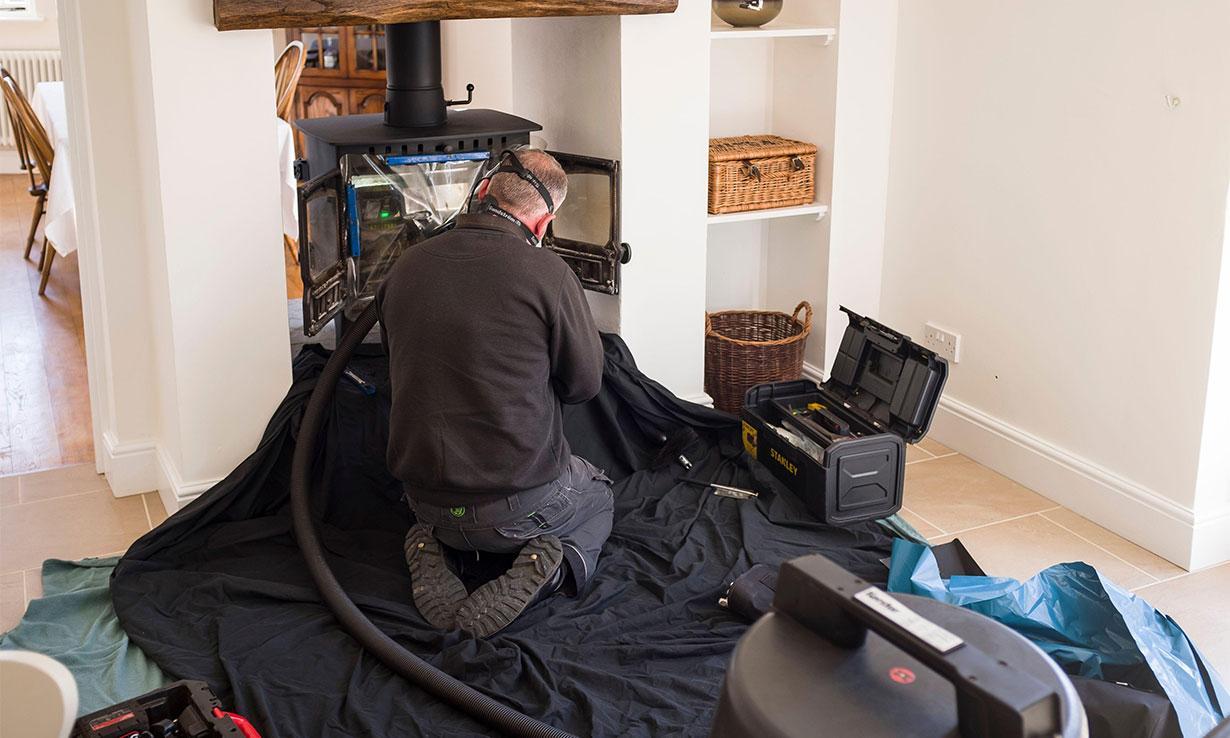
Condition-Based Evaluation
Maintenance recommendations begin with the homeowner’s concern and the chimney’s accessible condition. Chimney Crickets reviews the system before recommending cleaning, repair, component service or a maintenance schedule — not after assuming what the chimney needs.
Minnesota Weather Awareness
Maintenance planning accounts for Minnesota’s moisture, snow, ice, wind and repeated freeze-thaw cycling — seasonal conditions that accelerate masonry deterioration, affect deposits and stress exterior components.
Clear Next Steps
Chimney Crickets explains the visible condition, which maintenance services may apply and whether inspection, cleaning, repair, moisture correction or component replacement should be prioritized.
What Is Chimney Maintenance?
Chimney maintenance is the ongoing practice of inspecting, cleaning, repairing and protecting a chimney and fireplace system to keep it in safe, functional condition. It is not a single service — it is a coordinated approach that combines multiple services based on the system’s evaluated needs.
Effective chimney maintenance may include:
Periodic inspection — Reviewing accessible chimney and fireplace components to identify current conditions and emerging concerns
Sweeping and cleaning — Removing soot, creosote, ash and debris when deposits indicate service
Timely repairs — Addressing cracked masonry, deteriorated mortar, crown damage, flashing failure, cap problems and component concerns before they worsen
Preventive component care — Replacing aging caps, sealing crowns, maintaining flashing and evaluating liners before failure occurs
Moisture protection — Waterproofing masonry after repairs to reduce future water absorption
Documentation — Recording system condition, services performed and recommended follow-up
The scope of maintenance depends on the chimney type, connected appliance, fuel, use history, age, previous repairs, Minnesota weather exposure and current evaluated condition.
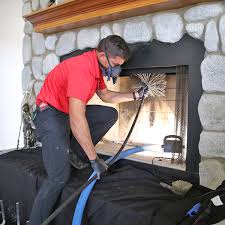
When to Request Fireplace and Chimney Services
Request a professional evaluation when you notice any of the following. Similar symptoms can have different causes, so the chimney and fireplace system should be evaluated rather than diagnosed from the ground or from a single photograph.
| ⚠️ Symptom | 🔍 What May Be Involved |
|---|---|
| Smoke entering the room | Deposits, blockage, damper position, draft, air pressure, flue sizing or a system defect |
| Fireplace or chimney draft changes | Deposits, obstruction, weather, air-sealing changes, flue condition or chimney height |
| Unusual fireplace odors | Creosote, soot, moisture, animal activity, debris, airflow or pressure differences |
| Visible masonry damage | Cracked mortar, spalling brick, open joints, movement or freeze-thaw deterioration |
| Soot or creosote accumulation | Wood-burning activity, fuel quality, airflow, flue temperature or cleaning needs |
| Water near the fireplace or chimney | Crown, cap, flashing, masonry, mortar joints, roof connection or multiple components |
| Rust on the damper, cap or components | Ongoing moisture exposure affecting accessible metal parts |
| Debris in the firebox | Missing cap, animal entry, masonry deterioration, liner fragments or exterior debris |
| Difficulty starting or maintaining a fire | Draft, airflow, damper, deposits, chimney height, weather or combustion-air supply |
| Fireplace that has not been used in years | Unknown system condition, possible obstruction, liner concerns or animal activity |
| Recent home purchase | Unknown system history, appliance changes, condition documentation needed |
| Preparing the home for sale | Chimney-specific evaluation separate from general home inspections |
Why Chimney Maintenance Matters in Minnesota
Chimneys are exposed structural systems. Unlike interior home systems that are protected from weather, a chimney extends above the roofline and faces direct exposure to precipitation, wind, temperature extremes and UV radiation on every surface.
In Minnesota, this exposure is compounded by:
- More than 50 freeze-thaw cycles per year in the Twin Cities metro
- Seasonal temperature swings exceeding 100°F between summer and winter
- Heavy seasonal snowfall and sustained moisture contact on crowns and caps
- An extended heating season that may encourage heavier fireplace use
- Wind-driven precipitation that penetrates cracks and joints invisible from the ground
Without periodic maintenance, minor conditions — a hairline crown crack, a single open mortar joint, a slightly corroded cap — can develop into expensive structural problems within a few seasons.
Industry guidance recommends that chimneys, fireplaces and vents be inspected at least once a year, with cleaning, maintenance and repairs performed when inspection findings indicate they are necessary.
The cost of maintenance is almost always less than the cost of the damage that deferred maintenance allows.
When to Request Chimney Maintenance in Minnesota
The following situations indicate that a maintenance evaluation may be appropriate. These are not emergency symptoms — they are conditions that benefit from professional attention before they become larger problems.
Before the Heating Season
Having the chimney inspected and serviced before regular fireplace or stove use begins — typically in late summer or early fall in Minnesota — helps confirm that the system is ready for safe operation.
After the Heating Season
A post-season evaluation can document conditions that developed during heavy winter use, identify deposits that should be removed before summer humidity intensifies odors, and address masonry or component concerns before another freeze cycle.
Regular Fireplace or Stove Use
Homeowners who use a wood-burning fireplace, insert or stove regularly during Minnesota’s heating season may accumulate deposits and wear components faster than occasional users.
After Severe Weather
Strong wind, hail, ice storms, heavy snow events and falling branches can damage caps, crowns, flashing, masonry and other exterior components. A post-storm evaluation helps identify damage before water entry begins.
Aging Masonry or Chimney Components
Chimneys built decades ago — especially those with original mortar, clay-tile liners and mortar-based crowns — may show accelerating deterioration as materials reach the end of their effective service life.
Recurring Moisture or Water Staining
Repeated water staining near the chimney or fireplace may indicate one or more failing components. Maintenance should identify and address the source rather than allowing repeated water entry.
Changes in Draft, Odor or Performance
Gradual changes in fireplace draft, emerging odors, startup difficulty or reduced airflow may indicate deposit accumulation, a partial obstruction, component deterioration or a system concern that maintenance can address.
Unknown Service History
If you recently purchased the home or cannot confirm when the chimney was last inspected, cleaned or serviced, a maintenance evaluation establishes a documented baseline for the system’s condition.
Preparing to Sell the Home
A chimney-specific evaluation before listing a property can document the system’s condition, identify concerns that may affect a buyer’s inspection and demonstrate responsible ownership.
What a Chimney Maintenance Evaluation Includes
A maintenance evaluation reviews the chimney and fireplace system to determine what services are currently needed, what may be needed soon and what can be monitored over time.
Exterior Components
| Component | What Is Evaluated |
|---|---|
| Chimney crown | Cracks, deterioration, slope, gaps around flue tiles, edge condition, sealant condition |
| Chimney cap | Presence, fit, rust, screening, attachment, storm damage |
| Flashing | Seal integrity, separation, rust, sealant condition, roof-junction condition |
| Masonry | Mortar joints, brick condition, spalling, open joints, efflorescence, movement |
| Chimney stack | Structural alignment, lean, missing courses, visible damage |
System Performance Indicators
- Draft behavior and airflow
- Odor concerns
- Evidence of water entry
- Recent performance changes
- Appliance connection and venting
Interior and Accessible Components
| Component | What Is Evaluated |
|---|---|
| Flue and liner | Accessible deposits, visible liner condition, tile integrity, obstructions |
| Firebox | Condition of firebrick, mortar, ash buildup, previous repairs |
| Damper | Operation, rust, sealing, hardware condition |
| Smoke chamber | Deposits, condition of parge coating, visible damage |
| Cleanout | Debris, access, function |
Not every component is accessible or visible during a standard maintenance evaluation. A more detailed camera-assisted or advanced inspection may be recommended when accessible findings suggest concealed damage, liner concerns or a chimney-fire event.
Seasonal Chimney Maintenance for Minnesota Homes
Minnesota’s distinct seasons create a natural maintenance cycle for chimney and fireplace systems. Timing maintenance to the seasons helps homeowners address conditions before they worsen during the next weather phase.
Late Summer / Early Fall — Pre-Season Preparation
- Annual inspection before the heating season begins
- Sweep or clean when deposits indicate service
- Confirm the cap is secure and screening is intact
- Verify damper operation
- Check for animal or debris entry during summer
- Identify crown or masonry concerns before freeze-thaw resumes
- Address any repairs while curing conditions are favorable
Winter — Active Use Monitoring
- Monitor fireplace or stove performance during regular use
- Watch for smoke, odor, draft or performance changes
- Do not ignore falling debris, unusual sounds or new staining
- Mid-season sweep may be appropriate for heavy-use systems
- Note any storm or ice events that may have affected exterior components
Spring — Post-Season Evaluation
- Document conditions that developed during winter use
- Remove remaining deposits before summer humidity concentrates odors
- Evaluate exterior masonry, crown and flashing after freeze-thaw exposure
- Schedule repairs while temperatures support proper curing
- Address moisture entry before the next freeze cycle
Summer — Repair and Protection Window
- Complete masonry repairs, crown service, repointing and flashing work
- Apply waterproofing after suitable repairs
- Replace caps and correct animal-entry points
- Allow adequate curing time before fall and winter conditions return
- Confirm the chimney is ready for the next heating season
Chimney Maintenance by System Type
Different fireplace and chimney systems have different maintenance requirements. The maintenance schedule, cleaning method, repair materials and inspection focus should match the specific system.
Wood-Burning Masonry Fireplaces
Produce soot and creosote that require periodic sweeping. Masonry, crown, liner, damper, cap and flashing all require evaluation. The most maintenance-intensive system type.
Wood-Burning Fireplace Inserts and Stoves
Produce deposits similar to open fireplaces. The insert or stove, connector pipe, accessible liner and chimney exterior all require inspection and maintenance. Manufacturer requirements may apply.
Factory-Built (Prefabricated) Fireplaces
Require maintenance according to the system manufacturer’s specifications. Components are not interchangeable with masonry parts. Cap and termination requirements are system-specific.
Gas Fireplaces and Gas Log Sets
Produce different by-products than wood-burning systems. Generally produce less soot and no creosote, but still require periodic inspection, venting evaluation, control-system review and component maintenance.
Unused or Dormant Chimneys
A chimney that is not in active use still requires periodic maintenance. Caps may deteriorate, animals may enter, moisture may affect masonry, liners may degrade and structural conditions may worsen without anyone noticing.
How Chimney Maintenance in Minnesota Works
Step 1
Describe the Situation
Contact Chimney Crickets and share the reason for your maintenance request. Helpful information includes:
- Property address in Minneapolis, Bloomington or the South Metro
- Fireplace, insert, stove or appliance type
- Fuel type
- How often the system is used
- Last known inspection, cleaning or service date
- Any symptoms — smoke, odors, draft changes, water, debris, rust, damage
- Reason for the request — seasonal preparation, post-storm concern, home purchase, home sale, unknown history or general maintenance
- Known previous repairs or chimney work
Step 2
Evaluate the System
Chimney Crickets reviews accessible exterior and interior chimney and fireplace components based on the reported situation and system type. The evaluation identifies current conditions, emerging concerns and which services appear to be needed.
Step 3
Review Findings and Prioritize
Visible findings are explained clearly. Chimney Crickets communicates:
- What appears to be in acceptable condition
- What shows early-stage or moderate deterioration
- What needs near-term attention
- What requires prompt repair
- What can be monitored over time
Step 4
Plan Appropriate Maintenance Services
Depending on the evaluation, the recommended services may include:
- Chimney inspection (standard or camera-assisted)
- Chimney sweeping or cleaning
- Masonry repair or repointing
- Crown sealing, patching or replacement
- Cap replacement
- Flashing repair or replacement
- Liner evaluation
- Moisture or leak correction
- Waterproofing after applicable repairs
- Fireplace component service
- Documentation for homeowner records
Step 5
Confirm Scheduling
Submitting the maintenance request begins the process. Chimney Crickets must review the request and confirm service availability, scope and scheduling.
Minnesota Conditions and Chimney Maintenance
Minnesota’s climate makes chimney maintenance more important — and more time-sensitive — than in milder states. Conditions that develop during one season can worsen significantly during the next.
The Minnesota Chimney Maintenance Cycle
| Season | Primary Maintenance Concern |
|---|---|
| Fall | Confirm the system is ready for the heating season — inspect, sweep, check components |
| Winter | Monitor performance during active use — watch for smoke, odor, draft or damage changes |
| Spring | Evaluate conditions after freeze-thaw exposure — document damage, plan repairs |
| Summer | Complete repairs, repointing, crown work, flashing service and waterproofing while curing conditions are favorable |
Why Deferred Maintenance Is Costly in Minnesota
In milder climates, a small crack or open mortar joint may remain relatively stable for years. In Minnesota, the same defect can worsen dramatically within a single season:
- A hairline crown crack absorbs water that freezes, widening the crack by spring
- An open mortar joint lets water into the masonry wall, causing spalling after repeated freeze-thaw cycles
- A missing cap allows rain and snow directly into the flue for months
- Separated flashing admits water with every precipitation event throughout the winter
- A corroded cap may fail or detach during a winter storm
Each of these conditions is relatively straightforward and affordable to address when caught early through regular maintenance. Left unattended, each can contribute to structural damage, water damage, liner failure or system deterioration that is significantly more expensive to repair.
Other Chimney Services
Explore the full range of Chimney Crickets services for Minnesota homeowners:
🔍 Chimney Inspections — Start with a professional evaluation before any repair
🧱 Chimney Repointing — Restore deteriorated mortar joints in Minnesota masonry
👑 Chimney Crown Repair — Seal or rebuild a cracked or damaged chimney crown
🔩 Chimney Flashing Repair — Stop water entry at the roof-chimney junction
💧 Chimney Leak Repair — Trace and resolve active moisture entry
🛡️ Chimney Waterproofing — Protect repaired masonry from future moisture damage
🏗️ Full Masonry Repair — Comprehensive brick and mortar restoration
The Relationship Between Maintenance and Safety
Chimney maintenance is not only about protecting the structure — it also supports safe operation of the fireplace or connected appliance.
Maintenance helps identify:
- Combustible creosote deposits that increase chimney-fire risk
- Flue obstructions that can redirect smoke or combustion gases into the home
- Liner damage that may allow heat or gases to reach combustible framing
- Draft or venting problems that may indicate incomplete combustion
- Carbon monoxide risks associated with fuel-burning appliances
- Structural instability that may create a falling-masonry hazard
The Consumer Product Safety Commission recommends annual chimney inspection and cleaning as a fire-safety practice for wood-burning fireplaces and stoves. The NFPA recommends annual inspection of chimneys, fireplaces and vents, with maintenance and repairs completed as findings indicate.
Important Safety Information
Stop using the fireplace or connected appliance and request professional evaluation if:
- Smoke regularly enters the living area
- A carbon monoxide alarm activates
- A chimney fire may have occurred
- A blockage is suspected
- Heavy debris is falling into the firebox
- The chimney appears structurally unstable
- Strong, sudden or unusual odors develop during operation
- A gas-appliance odor or suspected gas leak is present
If there is an active fire, a suspected gas leak, a carbon monoxide emergency or an immediate safety threat, leave the affected area and call emergency services.
Chimney maintenance in Minnesota Homeowners Can Request From Chimney Crickets
Chimney Crickets helps Minnesota homeowners understand accessible chimney and fireplace conditions and determine an appropriate next step.
The company’s approach connects inspection findings with condition-based service recommendations. Depending on what is identified, the appropriate next step may involve cleaning, maintenance, repair, moisture protection or additional evaluation.
For a professional chimney maintenance in Minnesota homeowners can request for a chimney or fireplace concern, contact Chimney Crickets.
Chimney Crickets
2012 W 98th St
Bloomington, MN 55431
(612) 280-2467
MinneapolisBloomingtonBurnsvilleEaganApple ValleySavageShakopeePrior LakeLakeville
📍 View more Areas → Not sure if we serve your area? Call (612) 280-2467 to confirm.
Chimney Maintenance FAQs — Minnesota Homeowners
What is chimney maintenance?
Chimney maintenance is the coordinated practice of inspecting, cleaning, repairing and protecting a chimney and fireplace system to keep it in safe, functional condition. It typically includes periodic inspection, sweeping or cleaning when deposits indicate service, timely repairs, preventive component care and moisture protection.
Is chimney maintenance the same as chimney cleaning?
No. Cleaning is one component of maintenance. Maintenance also includes inspection, repair, component evaluation, preventive care, moisture protection and documentation. Cleaning alone does not constitute complete chimney maintenance.
When should I request chimney maintenance in Minnesota?
Common timing includes before the heating season, after the heating season, after severe weather, when the chimney has an unknown service history, when aging masonry shows early signs of deterioration, when water staining recurs, and before buying or selling a home.
How often should a chimney be maintained?
Industry guidance recommends at least annual inspection, with cleaning, repairs and other services performed when findings indicate they are needed. Chimneys with heavy use, older components, previous concerns or significant Minnesota weather exposure may benefit from more frequent evaluation.
What does a chimney maintenance evaluation look at?
A maintenance evaluation reviews accessible exterior components (crown, cap, flashing, masonry, stack) and interior components (flue, liner, firebox, damper, smoke chamber, cleanout) as applicable to the system. Performance indicators such as draft, odor, moisture and appliance connection are also considered.
Can Minnesota weather make chimney maintenance more urgent?
Yes. Freeze-thaw cycling, snow, ice, wind-driven moisture and extreme temperature swings accelerate masonry deterioration, crown failure, cap corrosion and flashing problems faster than in milder states. Conditions that develop during one season can worsen significantly during the next.
What commonly causes chimney problems that maintenance can prevent?
Common causes include moisture entry through crown cracks, open mortar joints, missing or failed caps, separated flashing, porous masonry, combustion-deposit accumulation, age-related wear, animal entry and deferred previous maintenance.
Can chimney maintenance prevent a chimney fire?
Regular maintenance reduces chimney-fire risk by identifying and removing combustible creosote deposits, confirming that the flue is clear, evaluating the liner condition and ensuring that components support safe venting. However, no single service can eliminate every risk.
Can chimney maintenance be diagnosed from a photograph?
Photographs may show visible exterior damage or deposits. However, they cannot confirm crown slope, flashing condition behind masonry, liner integrity, deposit thickness above the damper, obstruction location or structural soundness. An on-site evaluation is generally required.
Does every chimney need the same maintenance?
No. Maintenance needs differ according to the chimney type, connected appliance, fuel, construction, liner material, age, use history, previous repairs and current condition. A wood-burning masonry fireplace, a factory-built system and a gas fireplace all have different maintenance requirements.
Will the chimney be inspected as part of maintenance?
Yes. Inspection is the foundation of effective maintenance. Accessible conditions should be evaluated before cleaning, repair or component service is recommended. A more detailed camera-assisted inspection may be warranted when findings suggest concealed damage.
Is chimney maintenance only for wood-burning fireplaces?
No. Every chimney type — wood-burning, gas, oil-flue, factory-built, insert-connected and unused — benefits from periodic inspection and maintenance. Gas systems produce different by-products, but their venting, components and exterior structures still require care.
What is the best season for chimney maintenance in Minnesota?
Late summer and early fall are ideal for pre-season inspection and preparation. Spring is ideal for post-season evaluation and repair planning. Summer provides the best conditions for masonry repair, crown work, repointing and waterproofing. Urgent concerns should be addressed regardless of season.
Can chimney maintenance help protect a home from water damage?
Yes. Maintenance identifies and addresses crown cracks, open mortar joints, failed flashing, missing caps and porous masonry before they allow water into the chimney and adjacent structure. Waterproofing after repairs adds an additional layer of moisture protection.
What is the relationship between chimney maintenance and home value?
A well-maintained chimney supports safe fireplace operation, reduces the risk of structural damage, demonstrates responsible ownership and may prevent issues that could complicate a home sale or buyer inspection.
What happens if chimney maintenance has been neglected?
Deferred maintenance allows small conditions to progress. Minor cracks become structural concerns. Deposits become fire hazards. Missing caps allow years of water and animal entry. Failed flashing causes recurring interior damage. A comprehensive maintenance evaluation can document the current condition and establish a prioritized plan to bring the system back to a serviceable state.
Should I stop using the fireplace if maintenance is overdue?
If you have specific safety concerns — smoke, odors, debris, blocked airflow, suspected chimney fire or carbon monoxide alarm activation — stop using the system immediately. For routine deferred maintenance without active symptoms, schedule an evaluation and follow the technician’s guidance about continued use.
What information should I provide when requesting maintenance?
Provide the property address, fireplace or appliance type, fuel, approximate frequency of use, last known service date, any symptoms (smoke, odors, water, debris, damage), the reason for the request (seasonal, storm, home sale, unknown history) and any known previous chimney work.
Does chimney maintenance require a permit?
Routine inspection, cleaning and sweeping generally do not require a permit. Structural repairs, liner installation, fireplace installation and venting alterations may have permit requirements depending on the scope and local jurisdiction.
How do I request chimney maintenance in Minnesota?
Call Chimney Crickets at (612) 280-2467 or submit the online service-request form. Include your property address, system type, current symptoms and reason for the request.