
Chimney Waterproofing in Minnesota: Masonry Moisture Protection After Repair
CHIMNEY CRICKETS • CHIMNEY WATERPROOFING & MOISTURE PROTECTION
Chimney waterproofing in Minnesota involves applying a vapor-permeable water-repellent treatment to suitable exterior chimney masonry after appropriate repairs have been completed. The goal is to reduce moisture absorption into brick and mortar — helping protect the masonry from the freeze-thaw cycling, precipitation and moisture conditions that accelerate chimney deterioration in Minnesota.
Waterproofing is not a standalone fix. It works best as the final step after open mortar joints, damaged brick, crown cracks, flashing failures and other water-entry sources have been properly repaired. Chimney Crickets helps homeowners understand when waterproofing is appropriate and when repairs should come first.
Condition-Based Evaluation
Waterproofing should not be applied over unresolved damage. Chimney Crickets evaluates the masonry, mortar joints, crown, flashing, cap and overall chimney condition before recommending waterproofing — confirming that the chimney is ready for a protective treatment rather than covering up problems.
Minnesota Weather Awareness
Minnesota’s freeze-thaw cycling, snow, ice, wind-driven rain and seasonal moisture make chimney waterproofing particularly relevant — but only after the underlying masonry is in suitable condition to receive and benefit from the treatment.
Clear Next Steps
Chimney Crickets explains whether the chimney is ready for waterproofing, whether repairs should be completed first, and what the treatment can and cannot accomplish.
What Is Chimney Waterproofing?
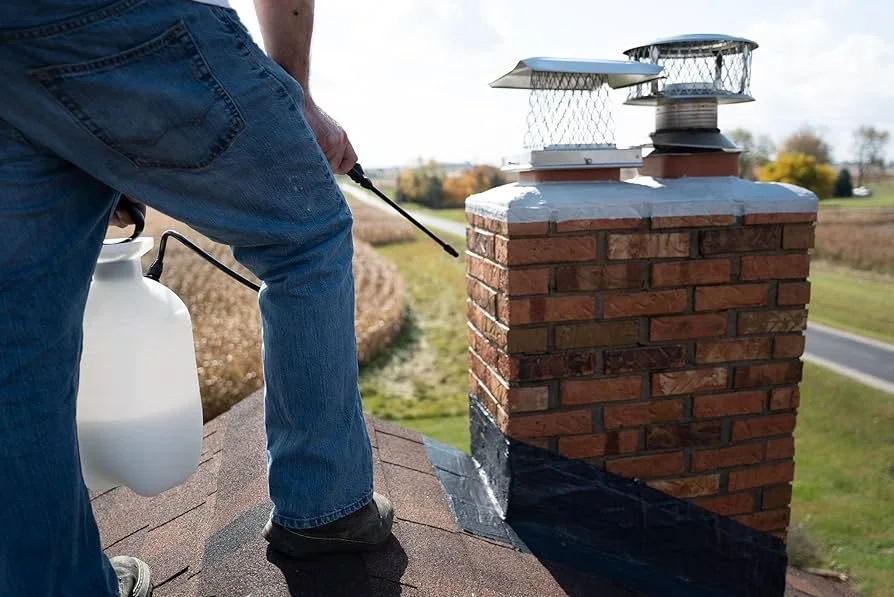
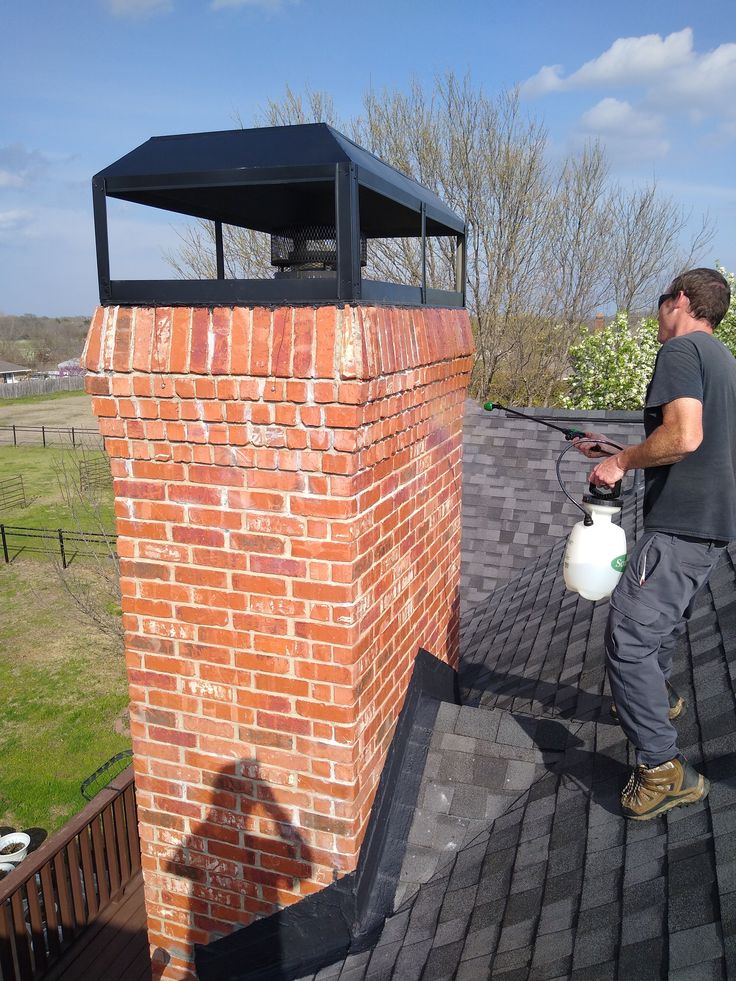
Chimney waterproofing is the application of a vapor-permeable water-repellent treatment to exterior chimney masonry to reduce the amount of water the brick and mortar absorb from rain, snow, wind-driven moisture and other precipitation. A properly applied chimney waterproofing treatment repels liquid water from the outside while still allowing moisture vapor trapped inside the masonry to escape outward.
Chimney waterproofing differs from painting, sealing or coating the chimney with an impermeable product. Impermeable coatings can trap moisture inside the masonry — potentially accelerating the deterioration they are intended to prevent, especially in a freeze-thaw climate like Minnesota’s.
Chimney waterproofing is intended to supplement — not replace — structural repairs, mortar-joint restoration, crown service, flashing correction, cap installation and other water-management components.
How Does Chimney Waterproofing Work?
A vapor-permeable chimney water repellent penetrates the surface of the brick and mortar and creates a molecular barrier that causes liquid water to bead on the surface rather than absorb into the masonry pores.
The key properties of a proper chimney waterproofing treatment
- Repels liquid water — Rain, snow melt, wind-driven moisture and splash-back bead on the treated surface rather than soaking in
- Allows vapor transmission — Moisture already inside the masonry can evaporate outward through the treated surface, preventing entrapment
- Does not change appearance — A properly applied chimney water repellent should not significantly alter the color, texture or visual character of the brick
- Bonds to masonry pores — The treatment penetrates the surface rather than forming a film or coating on top
- Resists UV degradation — Quality chimney water repellents are formulated to withstand extended outdoor exposure
What happens when masonry absorbs water
Brick and mortar are porous materials. When untreated masonry absorbs water:
- Water enters the pores during rain, snow, wind exposure or contact with accumulated moisture
- In Minnesota’s climate, this absorbed water freezes when temperatures drop
- Frozen water expands — exerting internal pressure on the surrounding material
- When the temperature rises, the water thaws and the masonry relaxes
- The next freeze cycle repeats the process, progressively widening cracks and fracturing material from within
This freeze-thaw cycling is the primary mechanism of masonry chimney deterioration in Minnesota. Waterproofing reduces the amount of water available to freeze inside the masonry during each cycle.
Why Chimney Waterproofing Matters in Minnesota
Minnesota’s climate makes chimney waterproofing particularly relevant — and particularly important to apply correctly.
Minnesota moisture and masonry facts
- The Twin Cities metro experiences more than 50 freeze-thaw cycles per year
- Seasonal temperature swings can exceed 100°F between summer highs and winter lows
- Heavy seasonal snowfall means chimney masonry may be in direct contact with snow and ice for extended periods
- Wind-driven rain can force water into mortar joints and brick pores that vertical rain would not penetrate
- Spring and fall produce prolonged wet periods that allow deep moisture absorption before freezing resumes
- Minnesota chimneys are exposed on all sides above the roofline — receiving more weather exposure per square foot than almost any other exterior surface on a home
What this means for waterproofing
In milder or drier climates, chimney waterproofing may provide marginal benefit. In Minnesota, the combination of high moisture exposure, porous masonry and aggressive freeze-thaw cycling makes reducing water absorption a meaningful protective measure — provided the underlying masonry is in suitable condition.
When to Request Chimney Waterproofing in Minnesota
Chimney waterproofing is most effective and most appropriate under the following circumstances:
After Masonry Repairs Have Been Completed
Waterproofing should be applied after open mortar joints have been repointed, damaged brick has been replaced, the crown has been repaired or replaced, and flashing has been corrected. Applying waterproofing over unrepaired masonry may reduce surface absorption temporarily but will not prevent water from entering through open joints, crown cracks, flashing gaps or failed components.
When Masonry Is in Acceptable Condition
If the brick and mortar are structurally sound with intact joints, no active spalling and no open water-entry points, waterproofing can help preserve that condition by reducing the moisture absorption that would otherwise begin the deterioration cycle.
Before the Next Freeze-Thaw Season
Applying waterproofing during favorable weather — after repairs and before Minnesota’s freeze-thaw season resumes — gives the masonry maximum protection heading into the most destructive period.
When Efflorescence or Dampness Has Been Resolved
Efflorescence (white mineral deposits on brick surfaces) indicates that water has been moving through the masonry and carrying dissolved salts to the surface. If the water source has been corrected and the efflorescence removed, waterproofing can help reduce recurrence.
As Part of a Comprehensive Chimney Maintenance Plan
Waterproofing is most effective as the final protective step in a maintenance sequence: inspect → repair → waterproof. It is a complement to other services, not a substitute.
After a New Chimney or Major Masonry Restoration
Newly constructed chimneys or chimneys that have undergone significant masonry restoration may benefit from waterproofing as part of the finishing work — after mortar has fully cured.
When Chimney Waterproofing Is Not Appropriate
Waterproofing should not be applied in the following situations:
Over Unrepaired Damage
Open mortar joints, cracked brick, crown failure, separated flashing and missing caps allow water entry that waterproofing cannot stop. These conditions must be repaired first.
As a Substitute for Structural Repair
Waterproofing reduces surface moisture absorption. It does not restore structural integrity to deteriorated masonry, fill open joints, rebuild a failed crown or correct flashing problems.
Over Impermeable Previous Coatings
If the chimney has been previously coated with paint, impermeable sealant, stucco or another non-breathable material, the existing coating may need to be addressed before a vapor-permeable treatment can penetrate effectively.
On Actively Leaking Chimneys
If the chimney is currently leaking, the source of water entry must be identified and repaired before waterproofing is considered. Waterproofing applied over an active leak may trap water and accelerate hidden deterioration.
On Masonry That Cannot Breathe
If interior moisture is present from condensation, a venting issue, an interior water source or another non-weather-related cause, waterproofing the exterior may not address the problem and could interfere with necessary vapor transmission.
On Chimneys with Severe Spalling
Masonry that is actively spalling, crumbling or losing face material should be repaired or replaced before waterproofing. A water repellent cannot restore structural material that has already fractured.
Critical distinction: Waterproofing protects masonry that is already in suitable condition. It does not repair masonry that has already failed. The correct sequence is always repair first, waterproof after.
Vapor-Permeable vs Impermeable Products: Why It Matters
Not all waterproofing products are appropriate for chimney masonry. Understanding the difference between vapor-permeable and impermeable products is essential.
| Feature | Vapor-Permeable Water Repellent | Impermeable Sealant, Paint or Coating |
|---|---|---|
| Liquid water | Repels — water beads on the surface | May repel or block — depends on the product |
| Water vapor | Allows outward vapor transmission — trapped moisture can escape | Blocks vapor transmission — traps moisture inside the masonry |
| Freeze-thaw risk | Reduces water available to freeze inside masonry | May trap water inside masonry, increasing freeze-thaw damage |
| Appearance | Generally invisible after application | May alter color, add sheen or create a visible coating |
| Penetration | Absorbs into masonry pores below the surface | May sit on the surface as a film |
| Appropriate for chimneys | Yes — specifically designed for exposed masonry that must breathe | Generally no — may cause more damage than it prevents in freeze-thaw climates |
Exterior Components
| Component | What Is Evaluated |
|---|---|
| Chimney crown | Cracks, deterioration, slope, gaps around flue tiles, edge condition, sealant condition |
| Chimney cap | Presence, fit, rust, screening, attachment, storm damage |
| Flashing | Seal integrity, separation, rust, sealant condition, roof-junction condition |
| Masonry | Mortar joints, brick condition, spalling, open joints, efflorescence, movement |
| Chimney stack | Structural alignment, lean, missing courses, visible damage |
Why impermeable products can make chimney problems worse
Brick and mortar are not perfectly dry on the inside. Moisture from interior air, combustion gases, condensation, ground contact and other sources can be present within the masonry wall. A vapor-permeable treatment allows this interior moisture to escape outward through the surface.
An impermeable coating traps this moisture inside. When Minnesota temperatures drop, the trapped water freezes inside the masonry — directly causing the spalling, cracking and deterioration that the homeowner was trying to prevent.
This is why Chimney Crickets uses vapor-permeable water-repellent products designed specifically for chimney and masonry applications — not standard exterior paint, silicone sealant, deck sealer or general-purpose waterproofing products.
What Chimney Waterproofing Can and Cannot Do
What waterproofing CAN do
✅ Reduce liquid water absorption into exterior brick and mortar surfaces
✅ Help protect repaired masonry from reabsorbing moisture
✅ Reduce the amount of water available for freeze-thaw cycling inside the masonry
✅ Help slow future mortar and brick deterioration caused by moisture absorption
✅ Reduce efflorescence recurrence when the water source has been corrected
✅ Complement crown, cap, flashing, repointing and masonry repairs
✅ Allow interior moisture to escape outward through the treated surface
What waterproofing CANNOT do
❌ Repair cracked or missing mortar joints
❌ Restore spalled, crumbled or structurally failed brick
❌ Seal a cracked or deteriorated chimney crown
❌ Replace a missing or damaged chimney cap
❌ Fix separated or failed roof flashing
❌ Stop water from entering through open structural defects
❌ Repair a damaged chimney liner
❌ Resolve a draft, smoke or performance problem
❌ Substitute for needed structural repairs
❌ Last forever without reapplication
How Chimney Waterproofing in Minnesota Works
Step 1
Describe the Concern
Contact Chimney Crickets and share what you have noticed or what service has already been completed. Helpful information includes:
- Property address in Minneapolis, Bloomington or the South Metro
- Visible efflorescence, dampness or water staining on masonry
- Recent masonry repairs, repointing, crown or flashing work
- Known previous coatings, paint or sealant on the chimney
- Water entry history near the chimney or fireplace
- Age and type of chimney masonry
- Reason for the request — post-repair protection, maintenance, moisture concern or home sale preparation
Step 2
Evaluate the Masonry and Chimney Condition
Chimney Crickets evaluates the exterior masonry, mortar joints, crown, cap, flashing and overall chimney condition. The evaluation determines whether:
- The masonry is in suitable condition for waterproofing
- Repairs should be completed before the treatment is applied
- Previous coatings or conditions may interfere with application
- The water-entry source is external surface absorption or another component failure
Step 3
Complete Necessary Repairs First
If open joints, damaged brick, crown deterioration, cap failure, flashing problems or other defects are found, those repairs should be completed and allowed to cure properly before waterproofing is applied.
Waterproofing applied over unresolved damage provides a false sense of protection while water continues to enter through structural defects.
Step 4
Prepare the Surface
The masonry surface is cleaned and prepared for the water-repellent application. Loose material, excessive efflorescence, debris and contaminants should be removed. Some products require a dry surface; others can be applied to damp masonry. Application instructions must be followed for the specific product being used.
Step 5
Apply the Water Repellent
A vapor-permeable chimney water repellent is applied to the exterior masonry surfaces according to the manufacturer’s instructions. Application typically involves brush, roller or spray methods depending on the product, chimney configuration and access.
Multiple coats may be required. The product should be applied to saturation to achieve effective penetration.
Step 6
Allow Proper Curing
The treatment needs adequate time to cure and bond before exposure to significant precipitation. Application should be scheduled during favorable weather — avoiding rain, extreme heat, freezing temperatures and high wind during the curing window.
Step 7
Review and Document
Chimney Crickets reviews the completed application, documents the service and communicates any relevant findings about the chimney’s overall condition. Reapplication timing is discussed based on the product specifications and expected Minnesota exposure.
How Long Does Chimney Waterproofing Last?
The effective lifespan of a chimney water-repellent treatment depends on:
- Product type and quality — Professional-grade vapor-permeable chimney water repellents typically provide longer-lasting protection than consumer-grade products
- Application method and coverage — Proper saturation and multiple coats improve durability
- Minnesota weather exposure — UV radiation, precipitation volume, wind exposure and freeze-thaw cycling affect treatment longevity
- Chimney orientation and exposure — South- and west-facing chimney surfaces may experience more UV degradation and wind-driven moisture
- Masonry condition and porosity — More porous or older masonry may absorb more product but may also require earlier reapplication
Most professional chimney water repellents are designed to provide effective protection for several years before reapplication is needed. Chimney Crickets can advise on the expected reapplication interval for the specific product and chimney conditions.
Periodic inspection can confirm whether the treatment is still performing effectively. A simple water-spray test on a treated surface can indicate whether the water repellent is still active.
Minnesota Conditions and Chimney Masonry Moisture
Minnesota’s climate creates a persistent cycle of moisture entry and freeze-thaw stress that makes exterior chimney masonry one of the most vulnerable surfaces on a home.
How water damages Minnesota chimney masonry
- Rain and snow contact the exterior chimney surfaces
- Porous brick and mortar absorb water into their internal pore structure
- Wind-driven precipitation forces water deeper into joints and surfaces
- Temperatures drop below freezing and absorbed water expands inside the masonry
- The masonry fractures internally — cracks widen, mortar loosens, brick faces begin to spall
- Temperatures rise and the water thaws, leaving enlarged cracks and weakened material
- The cycle repeats — 50+ times per year in the Twin Cities metro
- Each cycle compounds the previous damage, progressively accelerating deterioration
Where waterproofing fits in this cycle
Waterproofing interrupts the cycle at Step 2 — reducing the amount of water that absorbs into the masonry in the first place. Less absorbed water means less water available to freeze inside the masonry, which means less internal fracturing with each cycle.
Waterproofing is most effective when:
- Structural defects have already been repaired (so water is not bypassing the treatment through open joints or failed components)
- The masonry surface is in suitable condition to absorb and retain the treatment
- Application occurs before the primary freeze-thaw season
Other Chimney Services
Explore the full range of Chimney Crickets services for Minnesota homeowners:
🔍 Chimney Inspections — Start with a professional evaluation before any repair
🧱 Chimney Repointing — Restore deteriorated mortar joints in Minnesota masonry
👑 Chimney Crown Repair — Seal or rebuild a cracked or damaged chimney crown
🔩 Chimney Flashing Repair — Stop water entry at the roof-chimney junction
💧 Chimney Leak Repair — Trace and resolve active moisture entry
🛡️ Chimney Waterproofing — Protect repaired masonry from future moisture damage
🏗️ Full Masonry Repair — Comprehensive brick and mortar restoration
Important Safety Information
Chimney waterproofing is an exterior masonry treatment and does not typically require stopping fireplace use. However, stop using the fireplace and request professional evaluation if:
- Active water is entering the firebox or fireplace area
- Smoke enters the living area
- A carbon monoxide alarm activates
- Masonry appears structurally unstable
- A chimney fire may have occurred
- Significant debris is falling into the firebox
If there is an immediate safety threat, leave the affected area and contact emergency services.
Chimney Waterproofing in Minnesota Homeowners Can Request From Chimney Crickets
Chimney Crickets helps Minnesota homeowners understand accessible chimney and fireplace conditions and determine an appropriate next step.
The company’s approach connects inspection findings with condition-based service recommendations. Depending on what is identified, the appropriate next step may involve cleaning, maintenance, repair, moisture protection or additional evaluation.
For a professional chimney waterproofing in Minnesota homeowners can request for a chimney or fireplace concern, contact Chimney Crickets.
Chimney Crickets
2012 W 98th St
Bloomington, MN 55431
(612) 280-2467
MinneapolisBloomingtonBurnsvilleEaganApple ValleySavageShakopeePrior LakeLakeville
📍 View more Areas → Not sure if we serve your area? Call (612) 280-2467 to confirm.
Chimney Waterproofing FAQs — Minnesota Homeowners
What is chimney waterproofing?
Chimney waterproofing is the application of a vapor-permeable water-repellent treatment to exterior chimney masonry to reduce the amount of liquid water the brick and mortar absorb from rain, snow and wind-driven moisture. The treatment allows interior moisture vapor to escape outward while repelling liquid water from the outside.
Is chimney waterproofing the same as painting or sealing a chimney?
No. Chimney waterproofing uses a vapor-permeable product that penetrates the masonry and repels liquid water without trapping moisture inside. Paint, silicone sealant and impermeable coatings may trap moisture inside the masonry — potentially accelerating freeze-thaw damage in Minnesota’s climate.
When should I request chimney waterproofing?
Waterproofing is most appropriate after masonry repairs, repointing, crown service, flashing correction and cap replacement have been completed. It is the final protective step in a chimney maintenance or repair sequence — not a substitute for fixing open joints, damaged brick or failed components.
Can waterproofing be applied to a chimney that has not been repaired?
Applying waterproofing over unresolved damage provides limited benefit because water can still enter through open mortar joints, crown cracks, flashing gaps, missing caps and deteriorated brick. Repairs should be completed and cured before waterproofing is applied.
What commonly causes chimney masonry to absorb too much water?
Brick and mortar are naturally porous. Over time, weathering, freeze-thaw cycling, wind-driven rain, aging, UV exposure and accumulated wear increase the rate and depth of water absorption. Waterproofing reduces absorption after the masonry has been restored to suitable condition.
Can Minnesota weather affect how well chimney waterproofing performs?
Yes. Minnesota’s freeze-thaw cycling, UV exposure, snow contact, wind-driven moisture and temperature extremes place significant demands on any masonry treatment. Professional-grade vapor-permeable products are formulated for these conditions, but reapplication will eventually be needed.
What is the difference between vapor-permeable and impermeable waterproofing?
A vapor-permeable water repellent allows moisture already inside the masonry to escape outward while blocking liquid water from entering. An impermeable coating blocks both liquid water and water vapor — trapping moisture inside the masonry and potentially increasing freeze-thaw damage.
Can I waterproof my chimney myself with a store-bought product?
Consumer-grade masonry sealers may not provide the same vapor permeability, penetration, durability or masonry compatibility as professional chimney-specific water repellents. Impermeable consumer products may trap moisture inside the masonry. Professional evaluation and application help ensure the right product is used correctly.
Will chimney waterproofing change the appearance of my brick?
A properly selected and applied vapor-permeable chimney water repellent should not significantly change the color, texture or visual character of the brick. Some products may darken the surface slightly when wet during application but dry to a natural appearance.
Does waterproofing stop chimney leaks?
Waterproofing reduces water absorption through the face of the brick. It does not stop water from entering through open mortar joints, crown cracks, flashing gaps, a missing cap or other structural defects. If the chimney is leaking, the water-entry source must be identified and repaired before waterproofing is applied.
How long does chimney waterproofing last in Minnesota?
The effective lifespan depends on the product quality, application method, masonry condition, chimney orientation and Minnesota weather exposure. Professional treatments typically provide protection for several years before reapplication is needed. Periodic inspection can confirm whether the treatment is still performing effectively.
Will the chimney be inspected before waterproofing?
Yes. The masonry, mortar joints, crown, cap, flashing and overall chimney condition should be evaluated before waterproofing is recommended. This confirms that the chimney is ready for a protective treatment and that repairs are not being covered up.
What is efflorescence and how does it relate to waterproofing?
Efflorescence is the white, powdery mineral deposit that appears on brick surfaces when water moves through masonry and carries dissolved salts to the surface. It indicates that water has been or is currently migrating through the masonry. Once the water source is corrected and the efflorescence removed, waterproofing can help reduce recurrence.
Can chimney waterproofing be applied in cold weather?
Most vapor-permeable chimney water repellents require application above a minimum temperature — typically above freezing — and should not be applied during rain, heavy wind or when freezing temperatures are expected before the treatment cures. Late spring through early fall generally provides the best application conditions in Minnesota.
Can waterproofing be applied over a previous coating?
If the chimney has been previously painted, coated with an impermeable sealant or treated with another product, the existing coating may need to be evaluated or addressed before a vapor-permeable treatment can penetrate effectively. Chimney Crickets can assess the surface condition during the pre-waterproofing evaluation.
Is chimney waterproofing only for wood-burning fireplaces?
No. Any masonry chimney — regardless of the connected appliance — is exposed to exterior moisture. Gas-appliance chimneys, furnace flues, unused chimneys and decorative masonry chimneys can all benefit from waterproofing when the masonry is in suitable condition.
Can chimney waterproofing help prevent future masonry repairs?
Waterproofing reduces one of the primary drivers of masonry deterioration in Minnesota — water absorption leading to freeze-thaw damage. While it cannot prevent every form of chimney deterioration, reducing moisture absorption can meaningfully extend the interval between needed repairs.
What information should I provide when requesting waterproofing?
Provide the property address, visible masonry conditions (dampness, efflorescence, staining, recent repairs), chimney age, known previous coatings or sealants, recent repair work, water-entry history and the reason for the request.
How do I request chimney waterproofing in Minnesota?
Call Chimney Crickets at (612) 280-2467 or submit the online service-request form. Include your property address, chimney condition, recent repair history and any moisture-related symptoms you have noticed.