
Chimney Liner Services in Minnesota: Inspection, Repair & Relining
CHIMNEY CRICKETS • CHIMNEY LINER EVALUATION & SERVICE
Chimney liner services in Minnesota address the condition of the passage inside a chimney through which combustion products, smoke and gases travel from the fireplace or connected appliance to the outside. Chimney Crickets helps homeowners across Minneapolis, Bloomington and the South Metro evaluate cracked clay tiles, deteriorated metal liners, liner gaps, moisture damage, sizing concerns and system changes that may affect liner condition or suitability.
Liner recommendations are based on the liner material, connected appliance, fuel type, chimney construction, system history and evaluated findings — not assumptions or automatic replacement.
Condition-Based Evaluation
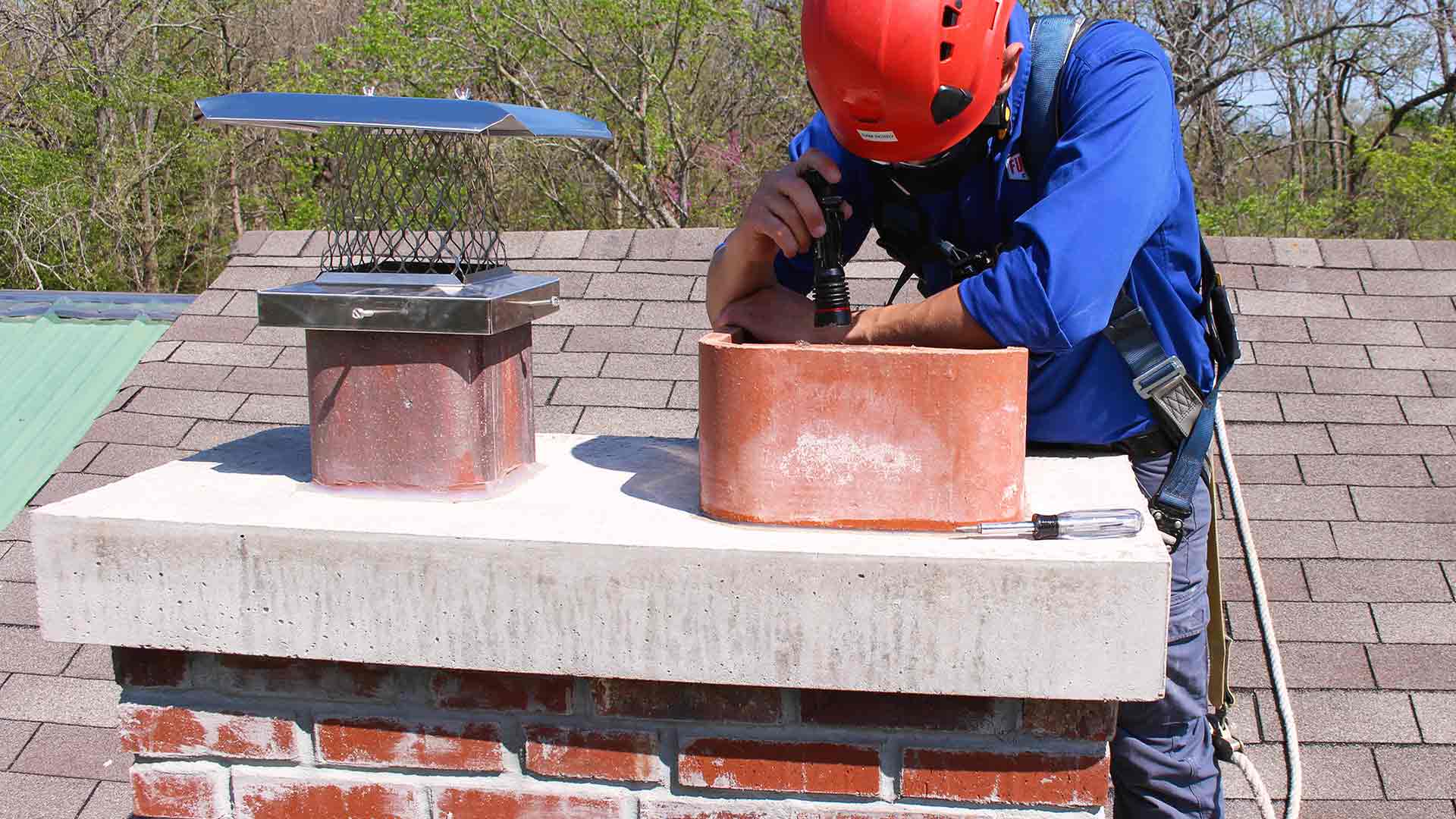
Liner recommendations begin with the homeowner’s concern and the chimney’s accessible condition. Chimney Crickets evaluates the liner type, visible condition, system configuration and related components before recommending inspection, repair or relining.
Minnesota Weather Awareness
Minnesota’s moisture, temperature extremes and freeze-thaw cycling can affect liner materials differently depending on their type, age, installation and chimney construction. Service planning accounts for these conditions.
Clear Next Steps
Chimney Crickets explains what the liner evaluation reveals, whether the current liner is adequate, and whether repair, relining, additional inspection or related chimney service should be considered.
What Is a Chimney Liner?
A chimney liner (also called a flue liner) is the interior passage within a chimney that contains and directs combustion products — smoke, gases, heat and moisture — from a fireplace, stove, furnace or other connected appliance to the outside of the home.
A properly functioning liner serves three critical purposes:
1. Containment
The liner prevents combustion products — including heat, smoke, gases and carbon monoxide — from passing through the chimney wall and reaching combustible building materials, insulation or living spaces.
2. Protection of the chimney structure
Combustion by-products can be corrosive. A liner protects the interior mortar joints and masonry from direct exposure to acidic flue gases, moisture condensation and thermal stress that would otherwise deteriorate the chimney from the inside out.
3. Proper sizing for the connected appliance
The liner provides a flue passage sized for the connected appliance. Correct sizing supports proper draft, efficient combustion and safe venting. A flue that is too large, too small or compromised by damage may not perform safely or effectively.
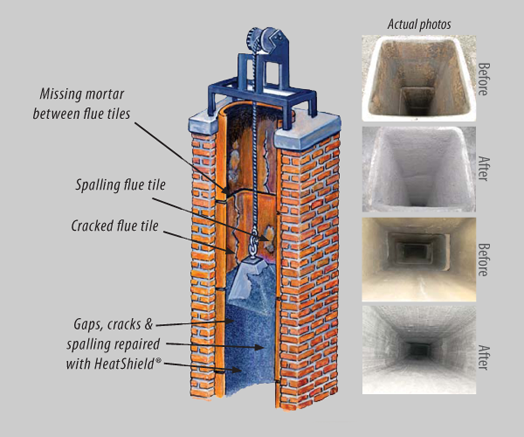
A chimney without a functional liner — or with a damaged, deteriorated or improperly sized liner — may not safely contain heat, gases and combustion by-products. The CSIA identifies a damaged or deteriorated liner as a condition requiring correction before continued use.
Types of Chimney Liners
Minnesota homes contain several types of chimney liners. The type affects inspection methods, common failure modes, repair options and replacement approaches.
Clay Tile Liners
Clay tile (also called terra cotta tile) is the most common liner material in older masonry chimneys. Individual rectangular or round tiles are stacked inside the chimney and connected with mortar joints.
Common characteristics:
- Found in most pre-1980s masonry chimneys
- Individual tiles are typically 2 feet in length
- Mortar joints between tiles may deteriorate or separate over time
- Tiles may crack from heat, thermal shock, chimney fires, settling or age
- Gaps between tiles can allow heat and gases to reach combustible construction
- Replacement of individual tiles is generally not practical from inside the chimney
- When clay tile liners fail, relining with a new system is typically required
Stainless Steel Liners
Stainless steel liners are flexible or rigid metal tubes installed inside an existing chimney. They are commonly used when relining a masonry chimney for a fireplace insert, wood stove, gas appliance or other venting need.
Common characteristics:
- Available in various grades and wall thicknesses
- Flexible versions can navigate offsets and bends
- Must be sized correctly for the connected appliance
- Should include appropriate insulation when required
- Require a compatible cap and termination
- Corrosion resistance depends on the steel alloy and flue conditions
- Can be inspected with a camera when accessible
Cast-in-Place Liners
A cast-in-place liner is formed inside the existing chimney using a poured or pumped cementitious material around an inflatable form. The result is a smooth, jointless, insulated liner inside the original masonry.
Common characteristics:
- Creates a seamless interior passage without individual joints
- Adds structural support to the existing chimney
- Can be applied over damaged clay tile in some situations
- May not be appropriate for every chimney configuration
- Application requires specialized equipment and training
Factory-Built Chimney Liners
Factory-built (prefabricated) fireplace systems come with their own chimney and liner components. These are manufactured as a complete system and are not interchangeable with masonry chimney parts.
Common characteristics:
- Must be maintained according to the system manufacturer’s specifications
- Replacement parts must be compatible with the original system
- Cannot be substituted with a generic stainless steel liner or clay tiles
- Inspection may require manufacturer documentation
- Heat damage or deterioration may require system-specific evaluation
Aluminum Liners
Aluminum liners may be used in certain gas-appliance venting applications. They are not suitable for wood-burning, oil-burning or high-temperature applications.
Common characteristics:
- Limited to specific gas appliance types
- Lighter and less expensive than stainless steel
- Not appropriate for every venting situation
- Must meet applicable code and manufacturer requirements
Signs a Chimney Liner May Need Service
Liner problems are frequently invisible from inside the home. Many of the most serious liner conditions — cracked tiles, open joints, corrosion and heat damage — are located above the damper where they cannot be seen without a camera or direct access.
The following symptoms may indicate a liner concern, but each can have more than one cause. Professional evaluation — not assumption — should determine the appropriate response.
| ⚠️ Symptom | 🔍 What It May Indicate |
|---|---|
| Visible liner cracks | Thermal shock, heat damage, chimney fire, settling or age-related deterioration |
| Missing or deteriorated joint material | Mortar between clay tiles has eroded, creating gaps that may allow heat and gas transfer |
| Tile fragments in the firebox | Clay tile pieces falling from the flue indicate active liner deterioration |
| Moisture inside the chimney or flue | Condensation, water entry or corrosive by-product accumulation affecting the liner material |
| Draft or performance changes | Liner damage, sizing problems, obstruction or a change in connected appliance |
| Smoke entering the living area | Liner gaps, damage, blockage, draft conditions or system configuration |
| Unusual fireplace odors | Deposits, moisture, liner deterioration, draft reversal or pressure imbalance |
| Appliance or fuel change | A new appliance or fuel type may require a different liner size, material or configuration |
| Known chimney fire | Heat from a chimney fire can crack clay tiles, damage stainless steel liners and compromise the entire flue system |
| Rust or corrosion on visible liner components | Moisture exposure or corrosive flue-gas condensation affecting metal liner sections |
| Home purchase or unknown system history | The liner should be inspected before use when the system’s condition is undocumented |
| Age of the chimney | Chimneys older than 40–50 years may have liners that have reached or exceeded their practical service life |
Critical safety note: A damaged or deteriorated chimney liner may allow heat, carbon monoxide and other combustion products to reach combustible construction materials or living spaces. If you suspect liner damage, stop using the fireplace or connected appliance and request professional evaluation before resuming use.
What Causes Chimney Liner Damage?
Several conditions can damage or deteriorate a chimney liner over time. In Minnesota, moisture and temperature stress are particularly significant contributors.
Chimney Fire
A chimney fire — caused by ignited creosote deposits — can produce extreme temperatures that crack clay tiles, warp or distort metal liners and damage mortar joints throughout the flue. A chimney that has experienced a possible chimney fire should not be used again until the liner and surrounding construction have been professionally inspected.
Thermal Shock and Repeated Heating Cycles
Rapid temperature changes — such as a cold chimney flue being exposed to sudden intense heat — can cause clay tiles to crack. Years of heating and cooling cycles gradually weaken liner materials.
Moisture and Condensation
Water entering through a failed crown, missing cap, damaged flashing or porous masonry can reach the liner. Moisture may also condense inside the flue when combustion gases cool below their dew point — especially in oversized flues or chimneys venting gas appliances.
Acidic condensation from gas-appliance venting can be particularly corrosive to mortar joints and certain metal alloys.
Age and Cumulative Wear
Clay tile liners in chimneys built 50, 60 or 70+ years ago may have reached the end of their practical service life — even without a single dramatic event. Gradual mortar-joint erosion, tile hairline cracks and accumulated thermal stress compound over decades.
Settlement and Movement
Foundation settling, lateral wind loads, seismic activity or construction-related vibration can shift the chimney structure and crack or separate liner tiles.
Appliance Changes
Replacing a wood-burning fireplace with a gas insert, converting from oil to gas heat, or installing a new appliance may change the flue-gas temperature, volume, moisture content and corrosiveness — potentially making the existing liner unsuitable for the new conditions.
Incompatible Previous Repairs
Liner repairs performed with unsuitable materials, improper sizing, incorrect installation methods or incompatible components may fail prematurely or create operational concerns.
Minnesota-Specific Conditions
- Freezing moisture inside a chimney can physically crack clay tiles and stress liner joints
- Extended cold seasons increase thermal cycling as fireplaces are used repeatedly
- Moisture from snow, rain and condensation may reach the liner through failed exterior components
- Chimneys that served previous heating systems may have liners damaged by decades of different flue-gas exposure
Chimney Liner Service Options
Chimney liner service is not one-size-fits-all. The appropriate service depends on the liner type, damage extent, connected appliance, chimney construction, system history and intended use.
Chimney Liner Inspection
A visual or camera-assisted inspection evaluates the accessible interior condition of the liner — identifying cracks, gaps, corrosion, displacement, obstruction, moisture damage and overall integrity.
Camera-assisted inspection may be recommended when:
- The firebox view does not extend high enough to see the full liner
- Clay tile cracks or gaps are suspected above the damper
- A chimney fire may have occurred
- An appliance change is being considered
- The system has an unknown service history
- A home purchase or sale is underway
- A prior inspection identified concerns requiring follow-up
Liner Repair
Certain liner conditions may have localized repair options:
- Joint repair — Deteriorated mortar joints between clay tiles may be repaired from the interior using specialized equipment when the damage is limited and accessible
- Sealant application — Interior sealant systems may address minor joint deterioration in certain clay-tile configurations
- Section repair — Localized damage to accessible metal liner sections may be repairable depending on the extent and location
- Connection and termination correction — Improperly connected or terminated liner sections may need adjustment
Repair is not always an option. Extensively cracked clay tiles, widespread joint failure, chimney-fire damage, corrosion-compromised metal and improperly sized liners may require relining rather than repair.
Chimney Relining
Relining replaces or supplements the existing liner with a new system installed inside the existing chimney. Common relining approaches include:
Stainless Steel Liner Installation A flexible or rigid stainless steel liner is installed through the existing chimney and connected to the appliance at the bottom and a compatible cap at the top. Insulation may be required depending on the appliance, fuel and chimney configuration.
Cast-in-Place Liner Installation A poured or pumped cementitious material is formed around an inflatable bladder inside the existing chimney, creating a smooth, jointless, insulated liner passage.
System-Specific Replacement Factory-built chimneys may require manufacturer-specific liner or chimney-section replacements rather than aftermarket relining products.
Liner Sizing Evaluation
When an appliance is being changed, added or replaced, the existing liner may need to be evaluated for:
- Correct flue diameter for the new appliance
- Appropriate liner material for the new fuel type
- Adequate height and configuration
- Proper connection and termination
- Compliance with applicable codes and manufacturer requirements
Liner-Related Chimney Inspection
A liner evaluation may reveal conditions affecting other chimney components. Crown damage, cap failure, flashing problems, masonry deterioration, water entry and structural concerns may all interact with liner condition and should be addressed as part of a complete evaluation.
Chimney Liner and Appliance Compatibility
The chimney liner must be compatible with the connected appliance. Different appliances produce different combustion conditions, and the liner must accommodate those conditions safely.
| Appliance Type | Liner Considerations |
|---|---|
| Open wood-burning fireplace | Original clay tile may be adequate when undamaged; sizing based on fireplace opening |
| Wood-burning fireplace insert | Typically requires a stainless steel liner sized to the insert’s specifications and properly insulated |
| Wood stove | Requires a liner sized to the stove’s flue-collar diameter with proper connector installation |
| Gas fireplace or gas insert | May require a specific liner type; condensation from gas by-products can corrode certain materials |
| Gas furnace or boiler | Low-temperature venting may produce acidic condensation; the liner must resist corrosion and be properly sized |
| Oil-burning appliance | Oil combustion produces specific by-products; liner material and sizing must accommodate the conditions |
| Multiple appliances on one chimney | Each appliance may require its own dedicated flue; shared flues may create safety and performance concerns |
| Factory-built fireplace | The liner is part of the manufactured system; replacement must follow manufacturer specifications |
Critical point: Changing the appliance connected to a chimney flue — for example, replacing an oil furnace with a gas furnace, or installing a wood stove insert into a masonry fireplace — may change the flue requirements. The existing liner should be evaluated for compatibility before the new appliance is used.
How Chimney Liner Services in Minnesota Work
Step 1
Describe the Concern
Contact Chimney Crickets and share what you have noticed or what prompted the liner evaluation. Helpful information includes:
- Property address in Minneapolis, Bloomington or the South Metro
- Fireplace, insert, stove, furnace or appliance type
- Fuel type (wood, gas, oil or unknown)
- Approximate chimney age
- Known liner type (clay tile, metal, cast-in-place or unknown)
- Tile fragments, debris or material falling into the firebox
- Smoke, draft, odor or performance changes
- Water staining or moisture inside the chimney area
- Known or suspected chimney-fire history
- Recent or planned appliance changes
- Last known inspection or service date
- Whether the property is being purchased or sold
Step 2
Evaluate the Liner and System
Chimney Crickets reviews the accessible liner condition, chimney construction, connected appliance and related components. A camera-assisted inspection may be used to examine the flue interior above the damper where direct visual access is limited.
The evaluation determines:
- Current liner type and material
- Visible condition of the liner surfaces and joints
- Evidence of cracks, gaps, corrosion, displacement or obstruction
- Evidence of moisture, condensation or water damage
- Liner sizing relative to the connected appliance
- Whether repair, relining or monitoring is appropriate
- Whether related chimney conditions need attention
Step 3
Review the Findings
Visible and camera-documented findings are explained so the homeowner understands:
- What liner condition was observed
- Which conditions are concerning and why
- Whether the current liner appears adequate for the connected appliance
- What may happen if identified concerns are not addressed
- What the recommended next steps are
Step 4
Plan the Appropriate Service
Depending on the findings, the recommended next step may include:
- Continued monitoring with periodic re-inspection
- Localized liner repair
- Full chimney relining
- Liner sizing evaluation for an appliance change
- Camera-assisted follow-up inspection
- Chimney sweeping before or after liner work
- Masonry, crown, cap or flashing repair
- Moisture or water-entry correction
- Waterproofing after applicable repairs
Step 5
Confirm Scheduling and Scope
Submitting the service-request form begins the process. Chimney Crickets must review the request and confirm service availability, scope and scheduling. Liner projects may require multiple visits depending on the chimney, access, liner type and extent of work.
Minnesota Conditions and Chimney Liners
Minnesota’s climate creates specific conditions that can affect chimney liners in ways that milder states do not experience.
Freeze-Thaw Stress on Clay Tiles
Water that reaches clay tiles — through crown cracks, cap failure, condensation or exterior masonry absorption — can freeze inside the tile material or at mortar joints. Repeated freeze-thaw cycling fractures tiles and separates joints from the inside.
Cold-Start Thermal Shock
On very cold Minnesota days, a chimney flue may be well below freezing when a fire is first started. The rapid temperature change from below-zero flue surfaces to hot combustion gases can crack clay tiles — particularly tiles that already have hairline stress fractures from previous use.
Condensation From Gas Appliances
When a gas furnace, boiler or water heater vents into an oversized masonry chimney, the low-temperature flue gases may condense before reaching the top. This condensation is acidic and can corrode mortar joints between clay tiles, deteriorate certain metal components and cause moisture damage inside the chimney.
Extended Heating Season
Minnesota’s long cold season — often October through April — means fireplaces, stoves and heating appliances produce more thermal cycling per year than identical systems in milder climates. More cycles mean more cumulative stress on the liner material.
Moisture Migration From Exterior Masonry
Failed crowns, damaged flashing, open mortar joints and porous masonry can allow exterior moisture to reach the liner from outside the flue. This moisture can freeze at the tile surface, corrode metal liners and accelerate joint deterioration.
Previous Appliance History
Many Minnesota chimneys have served multiple appliances over their lifetimes — wood, oil and gas at different periods. Each fuel type produces different by-products that affect the liner differently. A liner that tolerated wood-burning conditions may not withstand decades of acidic gas-furnace condensation.
Other Chimney Services
Explore the full range of Chimney Crickets services for Minnesota homeowners:
🔍 Chimney Inspections — Start with a professional evaluation before any repair
🧱 Chimney Repointing — Restore deteriorated mortar joints in Minnesota masonry
👑 Chimney Crown Repair — Seal or rebuild a cracked or damaged chimney crown
🔩 Chimney Flashing Repair — Stop water entry at the roof-chimney junction
💧 Chimney Leak Repair — Trace and resolve active moisture entry
🛡️ Chimney Waterproofing — Protect repaired masonry from future moisture damage
🏗️ Full Masonry Repair — Comprehensive brick and mortar restoration
Important Safety Information
Stop using the fireplace, stove, furnace or connected appliance and request professional evaluation if:
- Clay tile fragments or liner material are falling into the firebox
- Smoke enters the living area during normal operation
- A carbon monoxide alarm activates
- A chimney fire may have occurred
- An unusual or strong chemical odor develops during operation
- Heat, discoloration or moisture appears on wall or ceiling surfaces near the chimney
- The connected appliance was recently changed and the liner has not been evaluated
If there is an active fire, a suspected carbon monoxide emergency, a gas leak or an immediate safety threat, leave the affected area and call emergency services.
Why liner condition is a safety concern
A damaged, deteriorated or improperly sized chimney liner may allow:
- Heat transfer — to combustible framing, insulation and wall materials
- Carbon monoxide — to enter living spaces through gaps, cracks and open joints
- Creosote fire — to extend beyond the flue into combustible construction
- Toxic gases — to bypass the intended venting path
- Moisture — to accelerate hidden structural deterioration
The NFPA recommends annual inspection of chimneys, fireplaces and vents, and identifies liner condition as a critical element of chimney safety evaluation.
Chimney Liner Services in Minnesota Homeowners Can Request From Chimney Crickets
Chimney Crickets helps Minnesota homeowners understand accessible chimney and fireplace conditions and determine an appropriate next step.
The company’s approach connects inspection findings with condition-based service recommendations. Depending on what is identified, the appropriate next step may involve cleaning, maintenance, repair, moisture protection or additional evaluation.
For a professional chimney liner services in Minnesota homeowners can request for a chimney or fireplace concern, contact Chimney Crickets.
Chimney Crickets
2012 W 98th St
Bloomington, MN 55431
(612) 280-2467
MinneapolisBloomingtonBurnsvilleEaganApple ValleySavageShakopeePrior LakeLakeville
📍 View more Areas → Not sure if we serve your area? Call (612) 280-2467 to confirm.
Chimney Liner Service FAQs — Minnesota Homeowners
What are chimney liner services?
Chimney liner services include the professional inspection, evaluation, repair and relining of the interior passage through which combustion products travel from a fireplace, stove, furnace or other appliance to the outside. The scope depends on the liner type, condition, connected appliance and system history.
What is a chimney liner and what does it do?
A chimney liner is the interior lining of the flue that contains and directs combustion products out of the home. It protects the chimney structure from heat and corrosion, prevents combustion by-products from reaching combustible materials, and provides a properly sized passage for the connected appliance.
When should I request chimney liner evaluation?
Request evaluation when you notice tile fragments or debris falling into the firebox, smoke or draft changes, unusual odors, water or moisture inside the chimney, rust on visible liner components, an appliance change, a suspected chimney fire, or when the system has an unknown history.
What types of chimney liners exist?
Common types include clay tile (terra cotta), stainless steel (flexible or rigid), cast-in-place (poured cementitious), factory-built system components and aluminum (limited to specific gas applications). The type affects inspection methods, failure modes and replacement options.
What commonly causes chimney liner damage?
Common causes include chimney fires, thermal shock, repeated heating and cooling, moisture and condensation, age-related wear, chimney settlement, appliance changes, incompatible previous repairs and freeze-thaw stress on clay tiles.
Can Minnesota weather damage a chimney liner?
Yes. Freeze-thaw cycling can crack clay tiles and separate mortar joints when moisture reaches the liner. Cold-start thermal shock, condensation from gas appliances, extended seasonal use and moisture migration through failed exterior components can all affect liner condition.
How is a chimney liner inspected?
A visual inspection from the firebox provides limited information. A camera-assisted inspection is typically recommended for evaluating the full length of the flue — identifying cracks, gaps, corrosion, displacement, obstructions and joint deterioration that cannot be seen from below.
Can a damaged chimney liner be repaired?
Some liner conditions may have repair options — particularly localized joint deterioration in clay-tile systems or accessible metal-section damage. Extensive cracking, chimney-fire damage, widespread joint failure, corrosion-compromised metal and improperly sized liners may require relining rather than repair.
What is chimney relining?
Chimney relining installs a new liner system inside the existing chimney. Common methods include installing a stainless steel liner or applying a cast-in-place cementitious liner. The method depends on the chimney, appliance and intended use.
Does changing an appliance require a new chimney liner?
It may. A new appliance may require a different flue diameter, liner material, insulation or termination configuration. The existing liner should be evaluated for compatibility before the new appliance is connected and used.
Can I use a chimney without a liner?
Using a chimney without a functional liner is not recommended. An unlined or damaged chimney may allow heat, carbon monoxide and combustion products to reach combustible construction materials and living spaces.
What is the difference between clay tile and stainless steel liners?
Clay tile liners are built into the original masonry chimney as stacked sections with mortar joints. Stainless steel liners are metal tubes installed inside the chimney, often during relining or appliance installation. Each has different inspection, maintenance, repair and replacement considerations.
Can a chimney liner be inspected from outside the home?
No. Liner inspection requires access from the firebox, the chimney top, the cleanout or a combination. Camera-assisted equipment is typically needed to evaluate the full interior flue length.
How long does a chimney liner last?
Lifespan depends on the liner material, fuel type, use frequency, maintenance, moisture exposure and whether a chimney fire or other damaging event has occurred. Clay tile liners in well-maintained systems may last decades. Stainless steel liners vary by grade and conditions. No liner material lasts indefinitely.
Is chimney liner service only for wood-burning fireplaces?
No. Gas, oil and other fuel-burning appliances also vent through chimney liners. Gas-appliance venting can produce acidic condensation that damages certain liner materials. Every vented fuel-burning appliance should have an appropriate liner.
Is chimney waterproofing only for wood-burning fireplaces?
Yes. Stop using the fireplace, stove or connected appliance if liner damage is suspected — particularly if tile fragments are falling, smoke enters the home, a chimney fire may have occurred, or a carbon monoxide alarm activates. Request professional evaluation before resuming use.
Does chimney liner work require a permit?
Liner installation, relining and certain appliance-connection changes may require a permit depending on the scope and local jurisdiction. Routine liner inspection generally does not. Confirm project-specific requirements with the local building authority.
What information should I provide when requesting liner service?
Provide the property address, appliance type, fuel, approximate chimney age, known liner type, visible symptoms (debris, smoke, odors, water, draft changes), known chimney-fire history, recent or planned appliance changes, and last known inspection date.
How do I request chimney liner services in Minnesota?
Call Chimney Crickets at (612) 280-2467 or submit the online service-request form. Include your property address, system type, liner concern and any relevant symptoms.