
Chimney Repair in Minnesota: Masonry, Crown, Flashing & Leak Evaluation
Chimney repair in Minnesota requires more than patching what is visible. Chimney Crickets helps homeowners across Minneapolis, Bloomington and the South Metro identify cracked masonry, damaged crowns, flashing gaps and water entry — and understand the right repair path before any work begins.
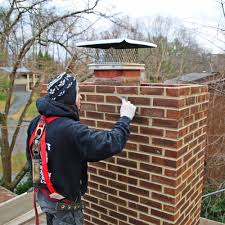
Why Chimney Repair in Minnesota Is Different
Minnesota chimneys face some of the harshest conditions of any state in the country. The Twin Cities metro experiences more than 50 freeze-thaw cycles per year, with temperatures swinging over 100°F between summer highs and winter lows. When water enters porous brick or mortar and freezes, it expands — fracturing the masonry from the inside out with every cycle.
This is why chimney repair in Minnesota must begin with a proper evaluation of the visible symptoms, affected components and the likely source of the problem — not just a surface fix.
Chimney Crickets provides:
Condition-Based Evaluation
Identify visible deterioration and its root cause before planning any repair
Minnesota Weather Awareness
Account for freeze-thaw exposure, snow loads, ice and seasonal moisture
Clear Repair Options
Understand whether targeted repair, repointing or broader masonry work is appropriate for your chimney
What Is Chimney Repair?
Chimney repair is the process of restoring damaged or deteriorated chimney components — including brick masonry, mortar joints, the crown, flashing, liner and cap — to a safe and functional condition.
In Minnesota, chimney repair typically begins with an on-site evaluation to identify the source of damage before selecting the correct repair method. Repairs range from targeted mortar repointing and individual brick replacement to crown rebuilding, flashing re-seating and full waterproofing treatments.
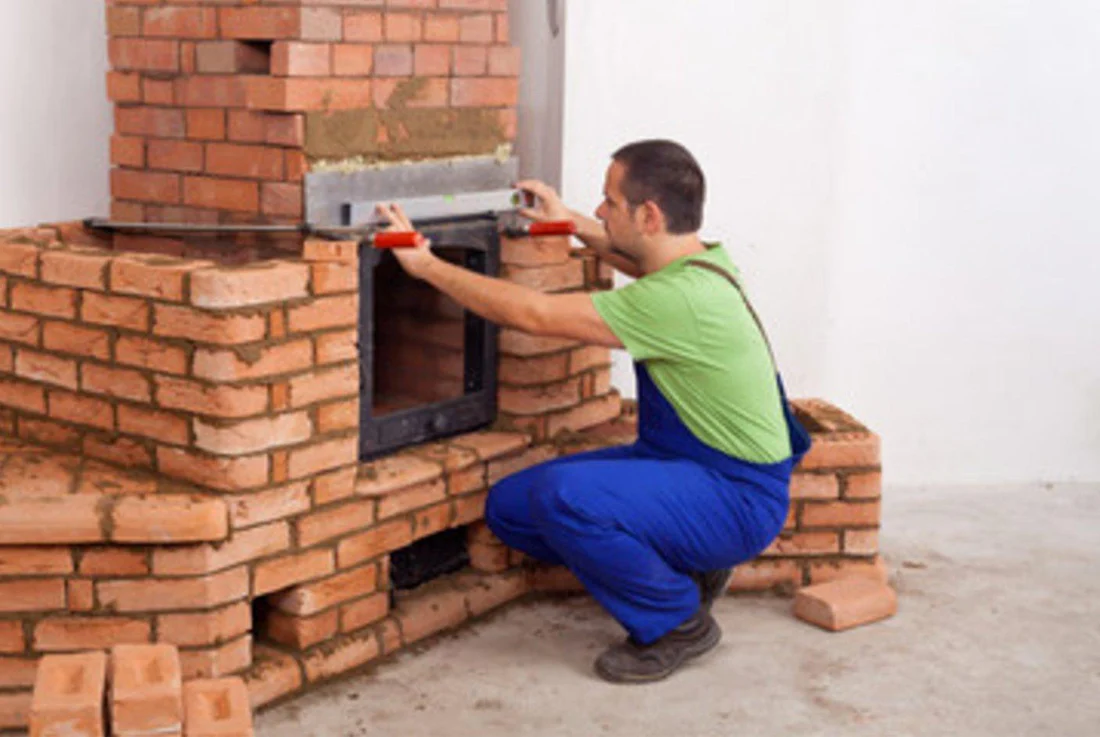
Chimney Repair Options by Condition
Chimney repair is not one-size-fits-all. The correct approach depends on the location, extent and underlying cause of the deterioration — and whether moisture or structural movement is still actively affecting the system.
Possible Chimney Repair Paths
Mortar-Joint Repointing (Tuckpointing)
Deteriorated mortar is removed to a specific depth and replaced with fresh material suited to the masonry type and local climate.
Individual Brick Replacement
Spalled, cracked or structurally compromised bricks are carefully removed and replaced with matching units, re-set in appropriate mortar.
Chimney Crown Repair or Replacement
Minor cracks are sealed with a flexible elastomeric crown coat. Severely deteriorated crowns are rebuilt with a properly sloped mortar or concrete mix designed to direct water away from the stack.
Flashing Repair or Replacement
Separated or failed flashing at the roof junction is re-seated, re-sealed or replaced to eliminate a common entry point for water.
Chimney Cap Installation or Replacement
A correctly sized cap prevents rain, debris and wildlife from entering the flue directly, reducing moisture exposure to the liner and masonry below.
Stack Repair
Structural concerns higher on the chimney stack — including leaning, significant cracking or missing courses — are addressed with targeted masonry work.
How the Chimney Repair Process Works
Step 1
Describe the Concern
Contact Chimney Crickets at (612) 280-2467 and share the visible symptoms, any recent changes and your property location in Minneapolis, Bloomington or the South Metro area.
Step 2
Evaluate the Chimney
A qualified technician reviews accessible masonry, the crown, flashing, cap and other components related to the reported concern. Findings are documented clearly.
Step 3
Plan the Right Repair
Evaluation findings are used to identify a focused, appropriately scoped repair — avoiding both over-repair and under-repair — with clear next steps provided to the homeowner.
Step 4
Complete the Repair
Approved repair work is carried out using materials and methods suited to Minnesota’s climate, with curing times respected before the system is exposed to freeze conditions.
Minnesota Climate and Chimney Deterioration
According to the National Fire Protection Association (NFPA 211), chimneys should be inspected at least annually — a recommendation that is especially relevant in Minnesota, where seasonal extremes accelerate deterioration faster than in milder climates.
Minnesota’s climate creates three primary conditions that drive chimney damage:
- Freeze-Thaw Cycling — Water in porous masonry freezes, expands and thaws repeatedly, fracturing brick and mortar joints from within
- Snow and Ice Accumulation — Heavy snow loads and ice dams can stress masonry and degrade flashing connections at the roofline
- Wind-Driven Precipitation — Horizontal rain and wind force water into joints and gaps that vertical rain would not penetrate
Chimney repairs in Minnesota should use materials rated for the local climate, account for the moisture sources that contributed to deterioration and be scheduled to allow proper mortar curing before the next freeze cycle.
Related Chimney Services
Explore the full range of Chimney Crickets services for Minnesota homeowners:
🔍 Chimney Inspections — Start with a professional evaluation before any repair
🧱 Chimney Repointing — Restore deteriorated mortar joints in Minnesota masonry
👑 Chimney Crown Repair — Seal or rebuild a cracked or damaged chimney crown
🔩 Chimney Flashing Repair — Stop water entry at the roof-chimney junction
💧 Chimney Leak Repair — Trace and resolve active moisture entry
🛡️ Chimney Waterproofing — Protect repaired masonry from future moisture damage
🏗️ Full Masonry Repair — Comprehensive brick and mortar restoration
Chimney Repair Minnesota Homeowners Can Request From Chimney Crickets
Chimney Crickets helps Minnesota homeowners understand accessible chimney and fireplace conditions and determine an appropriate next step.
For a professional chimney repair Minnesota homeowners can request for a chimney or fireplace concern, contact Chimney Crickets.
Chimney Crickets
2012 W 98th St
Bloomington, MN 55431
(612) 280-2467
Chimney Crickets provides chimney repair services across the Twin Cities metro and South Metro communities, including:
MinneapolisBloomingtonBurnsvilleEaganApple ValleySavageShakopeePrior LakeLakeville
📍 View more Areas → Not sure if we serve your area? Call (612) 280-2467 to confirm.
Chimney Repair FAQs — Minnesota Homeowners
Direct answers to common homeowner questions about chimney repair in Minnesota.
What are the most common signs that a chimney needs repair in Minnesota?
Common signs include cracked or missing mortar joints, loose or spalling brick, water staining on walls or ceilings near the chimney, a cracked or deteriorated crown, rust on the cap or damper, and visible gaps in the flashing at the roofline. Any of these symptoms should be professionally evaluated before repair is planned.
What causes chimney masonry to deteriorate?
The leading cause in Minnesota is freeze-thaw cycling. Water enters porous brick and mortar, freezes and expands, then thaws — repeatedly fracturing the material from within. Inadequate crowns, failing flashing and missing or undersized caps all compound the problem by allowing more water to reach the masonry.
Can a cracked chimney be repaired without full rebuilding?
Yes, in most cases. Cracked mortar joints are addressed with chimney repointing. Individual damaged bricks can be replaced. Crown cracks can often be sealed with a flexible sealant or rebuilt if severely deteriorated. A full rebuild is typically needed only when structural damage is extensive and widespread.
Does every damaged chimney need to be completely rebuilt?
No. The majority of chimney damage — including deteriorated mortar, spalling brick, cracked crowns and failed flashing — can be resolved with targeted repair rather than full reconstruction. A professional evaluation determines the appropriate scope of work.
What causes chimney leaks in Minnesota homes?
Chimney leaks most commonly result from one or more of the following: a cracked or missing crown, failed flashing at the roofline, an absent or undersized cap, deteriorated mortar joints, or porous masonry. Because multiple components can contribute simultaneously, the source must be identified before repair begins.
Can chimney repair help prevent water damage to the rest of the home?
Yes. Addressing deteriorated masonry, sealing the crown, repairing flashing and replacing or installing a cap significantly reduces water entry into both the chimney system and the adjacent structure. A vapor-permeable chimney waterproofing treatment applied after repairs can further reduce moisture absorption into the masonry.
What is spalling brick and why does it matter?
Spalling brick refers to brick that has begun to flake, chip or fracture on its outer face — typically because moisture has penetrated the brick and frozen inside. Spalling reduces the structural integrity of the masonry wall and is a reliable indicator of active freeze-thaw damage that will worsen without intervention.
How is a damaged chimney crown repaired?
Minor chimney crown cracks are filled and sealed with a flexible elastomeric crown sealant. More extensive cracking or structural failure of the crown requires partial or complete rebuilding using a properly sloped mortar or concrete mix that sheds water away from the masonry below.
Can chimney flashing be repaired separately from other chimney work?
Yes. If the flashing has separated or failed while the surrounding masonry and crown remain in acceptable condition, flashing repair can be completed as a focused, standalone repair. An on-site evaluation confirms whether flashing is the primary source of water entry.
How long does chimney repair typically take in Minnesota?
Duration depends entirely on the repair scope. Targeted repairs such as repointing a small section or replacing a cap may be completed in a single visit. Larger masonry repairs, crown reconstruction or stack work may require multiple visits and appropriate curing time between stages.
Should a chimney be inspected before repair work begins?
Yes — always. A chimney inspection identifies the affected components and likely source of the problem, which is essential for planning an accurate and effective repair. Without evaluation, there is a significant risk of repairing visible symptoms while the underlying cause continues causing damage.
Can chimney damage be diagnosed from photos alone?
Photos can help a technician assess general condition and visible symptoms before an on-site visit. However, an in-person evaluation is required to confirm the damage source, inspect concealed components such as flashing, and accurately assess the full extent of deterioration.
When is the best time to schedule chimney repair in Minnesota?
Late spring through early fall is generally optimal — temperatures support proper mortar curing and work can be completed before the next freeze cycle. That said, urgent concerns such as active water leaks or structurally compromised masonry should be evaluated promptly regardless of season.
How do I request chimney repair in Minnesota?
Call Chimney Crickets directly at (612) 280-2467 or use the online request form below to describe your visible symptoms and property location. A technician will follow up to schedule your evaluation.