
Fireplace and Chimney Services in Minnesota
CHIMNEY CRICKETS • COMPLETE FIREPLACE & CHIMNEY SERVICE
Chimney Crickets provides professional fireplace and chimney services in Minnesota for homeowners who need help with inspections, sweeping, cleaning, masonry repairs, crown and cap service, flashing correction, leak evaluation, liner service, waterproofing and fireplace component concerns. Every recommendation is based on the chimney system, homeowner symptoms and evaluated conditions — not assumptions.
Whether you know exactly what your chimney needs or you simply know that something does not seem right, this page explains the available services and helps you choose the right starting point.
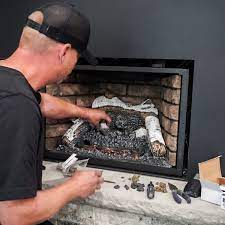
Condition-Based Evaluation
Chimney Crickets begins with the homeowner’s concern and the chimney’s accessible condition. The fireplace, flue, masonry, crown, cap, flashing, liner and connected components are reviewed as applicable before any service is recommended.
Minnesota Weather Awareness
Service planning considers Minnesota’s moisture, snow, ice, wind and repeated freeze-thaw cycles — conditions that affect chimney masonry, crowns, flashing, caps and interior components.
Clear Next Steps
Chimney Crickets explains what the visible condition involves, which services may apply and whether inspection, cleaning, repair, moisture correction or component service should be considered.
What Do Fireplace and Chimney Services Include?
Fireplace and chimney services encompass the professional inspection, maintenance, cleaning, repair and restoration of the complete chimney and fireplace system — from the firebox and damper through the flue and liner to the exterior masonry, crown, cap and flashing.
A chimney and fireplace system includes many interconnected components. A problem visible at the fireplace — such as smoke, odors or water staining — may originate from a completely different part of the chimney. Professional service evaluates the system rather than treating symptoms in isolation.
The scope of any individual service depends on the fireplace or appliance type, chimney construction, fuel, venting configuration, system condition, homeowner symptoms and inspection findings.
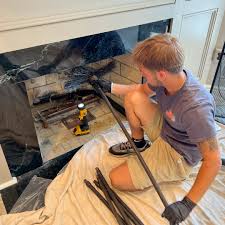
When to Request Fireplace and Chimney Services
Request a professional evaluation when you notice any of the following. Similar symptoms can have different causes, so the chimney and fireplace system should be evaluated rather than diagnosed from the ground or from a single photograph.
| ⚠️ Symptom | 🔍 What May Be Involved |
|---|---|
| Smoke entering the room | Deposits, blockage, damper position, draft, air pressure, flue sizing or a system defect |
| Fireplace or chimney draft changes | Deposits, obstruction, weather, air-sealing changes, flue condition or chimney height |
| Unusual fireplace odors | Creosote, soot, moisture, animal activity, debris, airflow or pressure differences |
| Visible masonry damage | Cracked mortar, spalling brick, open joints, movement or freeze-thaw deterioration |
| Soot or creosote accumulation | Wood-burning activity, fuel quality, airflow, flue temperature or cleaning needs |
| Water near the fireplace or chimney | Crown, cap, flashing, masonry, mortar joints, roof connection or multiple components |
| Rust on the damper, cap or components | Ongoing moisture exposure affecting accessible metal parts |
| Debris in the firebox | Missing cap, animal entry, masonry deterioration, liner fragments or exterior debris |
| Difficulty starting or maintaining a fire | Draft, airflow, damper, deposits, chimney height, weather or combustion-air supply |
| Fireplace that has not been used in years | Unknown system condition, possible obstruction, liner concerns or animal activity |
| Recent home purchase | Unknown system history, appliance changes, condition documentation needed |
| Preparing the home for sale | Chimney-specific evaluation separate from general home inspections |
Important: Do not wait for visible interior damage to appear. By the time water stains, falling debris or smoke issues become obvious inside the home, the underlying chimney condition may be significantly more advanced than the symptoms suggest.
Available Fireplace and Chimney Services
Chimney Crickets offers the following service categories for Minnesota homeowners. Select the service that best matches your concern, or begin with a chimney inspection if you are unsure.
Chimney Inspection
A chimney inspection evaluates accessible portions of the fireplace, flue, liner, masonry, crown, cap, flashing and connected components. The scope and level depend on the system, reported concern and the reason for the inspection.
Inspection findings determine whether cleaning, sweeping, repair, moisture correction, component replacement or further evaluation is appropriate.
Industry guidance recommends inspecting chimneys at least annually, with maintenance and repairs performed when needed.
Learn more → Chimney Inspection in Minnesota
Chimney Sweeping
Chimney sweeping uses professional brushes and equipment to remove soot, creosote and accessible deposits from flue surfaces. The brush type, method and equipment must match the flue dimensions, liner material and deposit type.
Sweeping addresses combustible deposits and is one of the most direct actions a homeowner can take to reduce chimney-fire risk in a wood-burning system.
Learn more → Chimney Sweeping in Minnesota
Chimney Cleaning
Chimney cleaning may include sweeping the flue and cleaning the firebox, smoke chamber, damper area, smoke shelf, cleanout and other accessible components. It is a broader service than sweeping alone.
Cleaning recommendations should be based on the deposit type, amount and system condition — not a fixed calendar interval.
Learn more → Chimney Cleaning in Minnesota
Chimney Repair
Chimney repair addresses cracked masonry, deteriorated mortar, damaged crowns, failed flashing, water entry, component problems and other confirmed conditions. Repair should address the visible damage and, when possible, the contributing source.
Learn more → Chimney Repair in Minnesota
Chimney Masonry Repair and Repointing
Masonry service may include removing deteriorated mortar, repointing open joints, replacing damaged bricks, repairing chimney stacks or rebuilding sections when damage is more extensive. Mortar composition, brick type and surrounding materials should be considered.
Learn more → Chimney Masonry Repair | Chimney Repointing
Chimney Crown Repair
The crown covers the top of a masonry chimney and directs water away from the masonry below. Crown cracks, missing material, gaps around flue tiles and poor drainage may require sealing, patching, partial rebuild or full replacement.
Learn more → Chimney Crown Repair in Minnesota
Chimney Cap Replacement
A properly fitted cap limits direct entry by rain, snow, animals, leaves and debris. The correct cap depends on the chimney type, flue dimensions, number of openings, connected appliance and manufacturer requirements.
Learn more → Chimney Cap Replacement in Minnesota
Chimney Flashing Repair
Flashing manages water where the chimney passes through the roof. Gaps, failed sealant, damaged metal or an unsuitable flashing assembly may contribute to water entry. Crown, cap and masonry conditions should be evaluated alongside flashing concerns.
Learn more → Chimney Flashing Repair
Chimney Leak and Moisture Evaluation
Chimney water entry may involve the crown, cap, flashing, masonry, mortar joints, roof connection or multiple components. A leak evaluation traces the likely water path before targeted repair or waterproofing is recommended.
Learn more → Chimney Leak Repair
Chimney Liner Evaluation
A liner inspection can help identify accessible or visible concerns involving the passage that carries combustion products out of the home. The appropriate evaluation depends on the liner material, connected appliance, system history and reported symptoms.
Learn more → Chimney Liner Services
Chimney Waterproofing
A vapor-permeable masonry water-repellent treatment may reduce future moisture absorption after appropriate repairs have been completed. Waterproofing should not substitute for repairing open joints, damaged brick, crown failure, failed flashing or active component leaks.
Learn more → Chimney Waterproofing in Minnesota
Creosote Removal
Heavier, adherent or glazed creosote may require a specialized removal process beyond standard sweeping. Stage 3 glazed creosote is highly combustible and should be professionally evaluated before the system continues to be used.
Learn more → Creosote Removal
Fireplace Component Service
Fireplace-specific service may involve the firebox, damper, smoke chamber, fireplace insert, wood stove, gas fireplace components, venting, prefabricated fireplace systems or other connected parts.
The available service depends on the fireplace type, fuel, manufacturer requirements, chimney configuration and specific homeowner concern.
Fireplace Types and How Service Differs
Fireplace and chimney services are not the same for every system. The fireplace or appliance type determines which components are present, which tools are appropriate, what deposits to expect and which manufacturer requirements may apply.
Wood-Burning Masonry Fireplaces
The most traditional system — a masonry firebox, throat damper, smoke chamber, clay-tile liner, brick chimney stack, crown and cap. Service may involve all accessible masonry and interior components.
Wood-Burning Fireplace Inserts
A manufactured insert installed inside an existing masonry fireplace. Inserts have their own venting, often a stainless steel liner, and manufacturer-specific service requirements. The original masonry chimney still requires maintenance.
Factory-Built (Prefabricated) Fireplaces
A manufactured fireplace system installed during home construction with a factory-built chimney chase. Components are not interchangeable with masonry parts. Service must follow the system manufacturer’s specifications, including cap and termination requirements.
Gas Fireplaces and Gas Log Sets
Gas systems produce different by-products than wood-burning systems. They generally produce less soot and no creosote but still require inspection, venting evaluation and component service. Gas components should be serviced according to the manufacturer’s instructions and applicable codes.
Wood Stoves and Free-Standing Appliances
Wood stoves connect to a chimney through a connector pipe. The connector, accessible flue and chimney exterior all require inspection and maintenance. Deposit characteristics depend on the stove model, fuel, operation and venting configuration.
Unused or Dormant Chimneys
A chimney that has not been used for years may still need service. Unused flues may develop animal obstructions, moisture damage, liner deterioration, cap failure or masonry problems that worsen over time without maintenance.
Not sure what type of fireplace you have? Describe the system and Chimney Crickets can help identify the appropriate service path.
How Fireplace and Chimney Service Works
Stage 1
Describe the Concern
Contact Chimney Crickets and share what you have noticed about the fireplace, chimney or connected system. Helpful information includes:
- Property address in Minneapolis, Bloomington or the South Metro
- Fireplace, insert, stove or appliance type
- Fuel type (wood, gas, oil or unknown)
- Approximate frequency of use
- Last known inspection, cleaning or service date
- Smoke, draft, odor or performance changes
- Visible soot, creosote, debris or deposits
- Water staining, leakage or moisture
- Visible masonry damage, rust or deterioration
- Recent chimney, roofing or appliance work
- Whether the property is being purchased or sold
Stage 2
Evaluate Accessible Conditions
Chimney Crickets reviews the accessible fireplace, chimney, flue, exterior components and related system areas based on the reported concern. The evaluation determines which components are involved and what additional inspection may be appropriate.
Stage 3
Review the Findings
Visible findings are explained so the homeowner understands which components are affected, what may be contributing to the symptoms and why a particular service is being recommended.
Stage 4
Plan the Appropriate Service
Depending on the evaluation, the recommended next step may include:
- Chimney inspection
- Chimney sweeping or cleaning
- Creosote removal
- Masonry repair or repointing
- Crown repair, sealing or replacement
- Cap replacement
- Flashing repair
- Leak and moisture correction
- Liner evaluation or service
- Fireplace component repair
- Waterproofing after applicable repairs
- Camera-assisted inspection
- Additional evaluation
Stage 5
Confirm Scheduling
Submitting the service-request form begins the process. It does not automatically confirm an appointment. Chimney Crickets must review the information and contact the homeowner to confirm availability, scope and scheduling.
Minnesota Conditions and Chimney Systems
Minnesota places extreme seasonal demands on chimney and fireplace systems. The combination of extended cold weather, moisture, snow, ice and freeze-thaw cycling affects both exterior components and interior system performance.
How Minnesota Weather Affects Chimneys
- Freeze-thaw cycling — Water inside masonry freezes, expands and fractures brick and mortar from within
- Snow and ice accumulation — Sustained moisture contact on crowns, caps and flashing accelerates deterioration
- Wind-driven precipitation — Horizontal rain forces water into cracks and joints that vertical rain does not reach
- Extended heating season — Heavier fireplace use increases soot and creosote formation in wood-burning systems
- Cold flue surfaces — Cooler exterior chimney walls promote creosote condensation during use
- Spring and fall moisture — Prolonged wet periods allow deep moisture absorption before freezing resumes
- Storm and branch damage — Wind, ice and falling debris may damage caps, crowns and exterior masonry
How Minnesota Weather Affects Fireplaces
- Draft and pressure — Temperature differences between indoor and outdoor conditions affect chimney draft
- Cold-start difficulty — Cold chimney air may resist initial draft establishment on very cold days
- Odor migration — Warm-weather pressure differences may draw chimney odors into the living space
- Moisture in the firebox — Water entry from failed exterior components may appear at the fireplace level
- Increased use — Long winters encourage more frequent and extended fireplace operation
For these reasons, fireplace and chimney services in Minnesota should consider the entire system — exterior and interior, structural and performance-related — rather than evaluating individual symptoms in isolation.
Other Chimney Services
Explore the full range of Chimney Crickets services for Minnesota homeowners:
🔍 Chimney Inspections — Start with a professional evaluation before any repair
🧱 Chimney Repointing — Restore deteriorated mortar joints in Minnesota masonry
👑 Chimney Crown Repair — Seal or rebuild a cracked or damaged chimney crown
🔩 Chimney Flashing Repair — Stop water entry at the roof-chimney junction
💧 Chimney Leak Repair — Trace and resolve active moisture entry
🛡️ Chimney Waterproofing — Protect repaired masonry from future moisture damage
🏗️ Full Masonry Repair — Comprehensive brick and mortar restoration
Important Safety Information
Stop using the fireplace or connected appliance and request professional evaluation if:
- Smoke regularly enters the living area
- A carbon monoxide alarm activates
- A chimney fire may have occurred
- A blockage is suspected
- Heavy debris is falling into the firebox
- The chimney or an exterior component appears structurally unstable
- Flames, excessive heat or unusual discoloration appears outside the firebox
- Strong, sudden or unusual burning odors develop during operation
- A gas-appliance odor or suspected gas leak is present
If there is an active fire, a suspected gas leak, a carbon monoxide emergency or an immediate safety threat, leave the affected area and call emergency services.
Carbon monoxide safety
Any fuel-burning appliance — including wood-burning fireplaces, gas fireplaces, furnaces and water heaters — can produce carbon monoxide under certain conditions. Carbon monoxide is colorless and odorless. Working carbon monoxide alarms should be installed on every level of the home and tested regularly. The Consumer Product Safety Commission recommends CO alarms near sleeping areas and in rooms with fuel-burning appliances.
Fireplace and Chimney Services
in Minnesota Homeowners Can Request From Chimney Crickets
Chimney Crickets helps Minnesota homeowners understand accessible chimney and fireplace conditions and determine an appropriate next step.
The company’s approach connects inspection findings with condition-based service recommendations. Depending on what is identified, the appropriate next step may involve cleaning, maintenance, repair, moisture protection or additional evaluation.
For a professional fireplace and chimney services in Minnesota homeowners can request for a chimney or fireplace concern, contact Chimney Crickets.
Chimney Crickets
2012 W 98th St
Bloomington, MN 55431
(612) 280-2467
MinneapolisBloomingtonBurnsvilleEaganApple ValleySavageShakopeePrior LakeLakeville
📍 View more Areas → Not sure if we serve your area? Call (612) 280-2467 to confirm.
Fireplace and Chimney Service FAQs — Minnesota Homeowners
What do fireplace and chimney services include?
Fireplace and chimney services include the professional inspection, maintenance, cleaning, sweeping, repair and restoration of the complete chimney and fireplace system. This covers the firebox, damper, smoke chamber, flue, liner, masonry, crown, cap, flashing and connected components. The specific services recommended depend on the system and its evaluated condition.
When should I request fireplace and chimney service?
Request service when you notice smoke or draft changes, unusual odors, visible soot or creosote, water staining, masonry damage, debris in the firebox, rust on the damper or cap, or when the system has an unknown service history. Annual inspection is recommended.
What commonly causes fireplace and chimney problems?
Common causes include combustion deposits, moisture entry, freeze-thaw deterioration, age-related wear, missing or damaged components, airflow restrictions, unsuitable fuel or burning practices, animal activity, previous improper repairs and deferred maintenance.
Can Minnesota weather affect fireplace and chimney performance?
Yes. Cold temperatures affect draft behavior, flue surface temperature and fireplace startup. Moisture, snow, ice and freeze-thaw cycling affect exterior masonry, crowns, caps and flashing. Extended winters encourage heavier fireplace use, which increases deposit accumulation.
Can chimney problems be diagnosed from a photograph?
Photographs may show visible cracks, staining, missing components or exterior deterioration. They generally cannot confirm concealed flashing conditions, liner damage, internal deposit extent, obstruction location, airflow conditions or structural integrity.
Does every chimney and fireplace need the same services?
No. Service needs differ according to the fireplace type, appliance, fuel, chimney construction, liner material, use history, condition and reported symptoms. A masonry wood-burning fireplace, a factory-built system and a gas fireplace all have different maintenance and repair requirements.
Will the chimney and fireplace be inspected before other service?
Accessible conditions should be reviewed before cleaning, sweeping, repair or component service is recommended. The inspection scope depends on the system, the concern and the level of evaluation appropriate for the situation.
What is the difference between chimney sweeping and chimney cleaning?
Chimney sweeping specifically refers to the mechanical brushing of flue surfaces to remove soot and creosote. Chimney cleaning is a broader service that may also include the firebox, smoke chamber, damper area, cleanout and other accessible components.
What types of fireplaces does Chimney Crickets service?
Service may be available for wood-burning masonry fireplaces, fireplace inserts, factory-built prefabricated fireplaces, gas fireplaces, gas log sets, wood stoves and connected venting systems. The appropriate service depends on the system and manufacturer requirements.
Can a gas fireplace need chimney service?
Yes. Gas fireplaces produce different by-products than wood-burning systems, but the venting system, termination, controls and accessible components still require periodic inspection and maintenance. Gas fireplace service should follow the manufacturer’s instructions and applicable codes.
What should I do if my fireplace smokes?
Stop using the fireplace if smoke regularly enters the living area. Smoke entry may involve deposits, a blockage, draft conditions, damper position, air pressure inside the home, chimney height, flue sizing or a system defect. The cause should be professionally evaluated.
Can chimney and fireplace service help prevent water damage?
Yes. Addressing deteriorated masonry, sealing the crown, repairing flashing, replacing the cap and waterproofing after repairs can significantly reduce water entry into the chimney and adjacent structure.
Is annual chimney service required?
Annual inspection is recommended by industry guidance. Annual cleaning, sweeping or repair is not automatically required for every system — those services should be performed when inspection findings indicate they are needed.
What is the difference between a chimney crown and a chimney cap?
A chimney crown is the concrete or mortar surface covering the top of a masonry chimney around the flues. A chimney cap is a metal cover that sits over the flue opening to limit rain, debris and animal entry. They are different components that protect different parts of the chimney.
Can I use the fireplace while waiting for service?
If the chimney and fireplace appear to operate normally and no safety concerns are present, limited use may be possible while waiting for a routine appointment. Stop using the system immediately if smoke enters the home, odors develop, debris falls, a carbon monoxide alarm activates or any potentially unsafe condition exists.
What happens if the chimney was previously repaired incorrectly?
Incorrect previous repairs — such as incompatible mortar, impermeable coatings, improperly sized liners or unsuitable cap installations — can contribute to ongoing or recurring problems. An evaluation can identify previous work that may need to be corrected.
Does chimney and fireplace service require a permit?
Routine inspection, cleaning and sweeping generally do not require a permit. Structural repairs, liner installation, fireplace installation, appliance changes and venting alterations may have permit requirements depending on the scope and local jurisdiction. Confirm project-specific requirements with the local building authority.
How long does fireplace and chimney service take?
Duration depends on the service type and scope. A routine inspection or sweep may be completed in one visit. More extensive evaluations, multi-component repairs, masonry work or liner service may require multiple visits.
What information should I provide when requesting service?
Provide the property address, fireplace or appliance type, fuel, approximate use frequency, last known service date, and a description of smoke, odors, draft changes, soot, water, masonry damage or other symptoms. Photographs may provide helpful initial context.
How do I request fireplace and chimney services in Minnesota?
Call Chimney Crickets at (612) 280-2467 or submit the online service-request form. Include your property address, system type, symptoms and any relevant details.