
Fireplace Spark Protection Minnesota: Critical Safety Guide for Homeowners
Sparks flying from your fireplace might look beautiful, but they represent genuine fire danger. Every spark that escapes your fireplace is a potential fire hazard—capable of igniting carpets, furniture, drapes, or wooden floors. Many Minneapolis and Bloomington homeowners underestimate this risk, assuming stray sparks are normal and harmless. Fireplace spark protection Minnesota isn’t optional—it’s essential for protecting your family and home.
Fireplace spark protection Minnesota involves multiple safety layers. Proper screens, hearth barriers, and professional inspection all work together to contain sparks and prevent fires. Understanding why fireplace spark protection Minnesota matters, what types of protection exist, and how to ensure your fireplace meets safety standards helps you use your fireplace confidently and safely.
This comprehensive guide explains fireplace spark protection in detail. You’ll learn what causes sparks to escape, why they’re dangerous, what protection devices are available, and when to call professionals for safety assessment. Whether you use your fireplace frequently or occasionally, this information could prevent a devastating house fire.
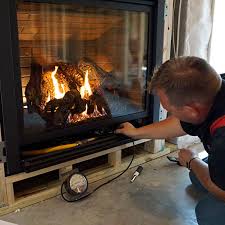
What Causes Fireplace Sparks and Why It Matters
Sparks are created when wood burns. As logs burn, hot particles separate from the fire and rise with heat and smoke. These particles—sparks and embers—represent genuine fire danger when they escape the fireplace.
Understanding Spark Composition
Fireplace sparks aren’t just decorative. They’re:
- Incandescent wood particles at extremely high temperatures (up to 2,000°F)
- Capable of igniting combustible materials on contact
- Unpredictable in their trajectory and distance
- Particularly dangerous when they land on carpets, upholstered furniture, or drapes
A single spark landing on your carpet or wooden floor can start a house fire. This is why fireplace spark protection in Minnesota is non-negotiable.
Minnesota’s Specific Fire Risk
Minnesota experiences harsh winter weather that affects fireplace use patterns:
Extended heating season: Minnesota’s November-through-March heating season means extended fireplace operation, multiplying spark exposure risk. More fires burned equals more spark opportunities to escape.
Dry indoor air: Minnesota’s cold winters create extremely dry indoor environments. Low humidity makes materials more flammable. Sparks landing on dry carpet or furniture ignite more readily than in humid climates.
Wooden home construction: Many Minneapolis and Bloomington homes feature wood framing, wooden floors, and wood-based construction materials. These materials ignite readily when contacted by fireplace sparks.
Concentrated seasonal use: Families often increase fireplace use during Minnesota’s coldest months (December-February), concentrating spark hazard during peak heating season.
These Minnesota-specific factors make fireplace spark protection in Minnesota especially critical for Twin Cities homeowners.
Fire Statistics and Risk Reality
According to the National Fire Protection Association (NFPA), fireplace and chimney fires cause thousands of residential fires annually across the United States. Many of these fires start from sparks escaping through inadequate fireplace spark protection Minnesota or lacking proper safety barriers.
The U.S. Fire Administration reports that unattended fireplaces and inadequate spark containment are leading causes of residential fireplace fires. Proper fireplace spark protection Minnesota prevents these preventable tragedies.
Types of Fireplace Spark Protection Minnesota: Understanding Your Options
Fireplace spark protection in Minnesota comes in multiple forms. Understanding these helps you ensure your fireplace has adequate protection.
Type 1: Fireplace Screens and Spark Screens
The most visible form of fireplace spark protection in Minnesota is the fireplace screen—a metal or wire barrier placed in front of the fireplace opening.
Function of fireplace spark protection in Minnesota screens:
- Contain larger sparks and embers
- Prevent direct access to fireplace opening
- Reduce but don’t eliminate spark escape
- Serve as visible reminder about fire risk
- Come in decorative and functional designs
Limitations of fireplace spark protection in Minnesota screens:
Screens are NOT foolproof fireplace spark protection in Minnesota. They catch larger particles but smaller sparks can pass through mesh. Screens also create heat reflection that can reduce fireplace efficiency. They require regular cleaning to maintain effectiveness.
Standards for fireplace spark protection in Minnesota screens:
According to NFPA standards, fireplace spark protection in Minnesota screens must be installed during fireplace use in most jurisdictions. Check local Minneapolis and Bloomington codes for specific requirements.
Type 2: Hearth Barriers and Hearth Extensions
The area directly in front of your fireplace—the hearth—requires fireplace spark protection Minnesota through non-combustible barriers.
What makes effective fireplace spark protection in Minnesota hearth barriers:
- Made from non-combustible materials (tile, stone, concrete)
- Extend minimum 16-18 inches from fireplace opening
- Protect flooring materials from direct spark contact
- Required by building codes and NFPA standards
- Prevent sparks from directly igniting flooring
Common hearth materials providing fireplace spark protection in Minnesota:
- Ceramic tile (excellent fireplace spark protection in Minnesota)
- Natural stone or slate (excellent protection)
- Concrete (adequate fireplace spark protection in Minnesota)
- Brick (provides fireplace spark protection in Minnesota)
- Metal hearth liners (supplementary protection)
If your fireplace lacks proper hearth barriers providing fireplace spark protection in Minnesota, professional installation is essential.
Type 3: Chimney Caps and Spark Arrestors
Beyond the fireplace itself, chimney caps with spark arrestor technology provide fireplace spark protection Minnesota at the roof level.
How chimney spark arrestors provide fireplace spark protection Minnesota:
- Installed at chimney top
- Trap embers and sparks before exiting chimney
- Prevent sparks from landing on roof
- Stop flying sparks from reaching neighborhood
- Protect against animal entry (secondary benefit)
Chimney spark arrestor effectiveness for fireplace spark protection in Minnesota:
Professional spark arrestors stop 99%+ of flying sparks and embers. This makes them essential fireplace spark protection Minnesota, especially for roofs with nearby combustible materials (tree branches, neighbor’s structures).
According to CSIA (Chimney Safety Institute of America), spark arrestors are recommended fireplace spark protection Minnesota for most residential chimneys. Many Minneapolis and Bloomington building codes require them.
Type 4: Glass Fireplace Doors
Modern fireplace glass doors provide fireplace spark protection in Minnesota while improving efficiency.
Benefits of glass doors for fireplace spark protection in Minnesota:
- Completely seal fireplace opening
- Prevent spark escape entirely
- Improve heating efficiency significantly
- Maintain fireplace aesthetics
- Allow fire viewing while providing protection
Limitations of fireplace spark protection in Minnesota glass doors:
- Expensive installation ($1,500-$3,500+)
- Require professional installation
- Need regular cleaning for visibility
- Can affect natural draft
- Not suitable for all fireplaces
Glass doors represent premium fireplace spark protection in Minnesota when professionally installed and maintained.
NFPA Standards for Fireplace Spark Protection Minnesota
Building codes and safety standards mandate specific fireplace spark protection in Minnesota requirements. Understanding these ensures your fireplace is compliant and safe.
NFPA Standard 211 Requirements
NFPA Standard 211 establishes comprehensive fireplace safety standards including fireplace spark protection Minnesota:
Clearance requirements for fireplace spark protection in Minnesota:
- Minimum 12 inches clearance from fireplace opening to combustible materials (walls, furniture)
- 16-18 inch hearth extension minimum in front of fireplace
- 8 inches minimum clearance above fireplace opening to combustible materials
Screen requirements in NFPA standards:
- Fireplace spark protection Minnesota screens must have openings smaller than 1/4 inch
- Screens must remain in place during all fireplace use
- Screens must be properly maintained and inspected
Inspection requirements:
NFPA Standard 211 recommends annual professional inspection to verify fireplace spark protection in Minnesota compliance. Professional inspectors ensure all protection devices function properly.
Minneapolis and Bloomington Building Code Compliance
Local building codes enforce fireplace spark protection in Minnesota standards. Many Twin Cities jurisdictions require:
- Installed spark screens during fireplace operation
- Compliant hearth barriers
- Chimney spark arrestors (highly recommended or required)
- Annual professional inspection certification
Professional Verification of Fireplace Spark Protection Minnesota Compliance
CSIA-certified inspectors can verify your fireplace meets fireplace spark protection in Minnesota standards. Using the Verified Chimney Pros, you can locate professionals in Minneapolis and Bloomington who assess fireplace spark protection in Minnesota compliance.
Risks of Inadequate Fireplace Spark Protection Minnesota
Homes without proper fireplace spark protection in Minnesota face serious fire dangers.
Risk 1: Direct Spark Ignition of Flooring
Sparks escaping fireplace and landing on carpet, wood flooring, or rugs create immediate fire danger. Inadequate hearth barriers providing fireplace spark protection in Minnesota allow this direct contact.
Risk 2: Ignition of Nearby Furniture and Drapes
Sparks traveling horizontally (not just upward) can land on couches, chairs, tables, or window drapes. Without fireplace spark protection in Minnesota screens, these materials are vulnerable.
Risk 3: Roof and Exterior Fire Risk
Chimney sparks and embers reaching your roof can ignite roofing materials, especially in dry conditions. Missing or inadequate chimney spark arrestors (fireplace spark protection Minnesota at roof level) allow this danger.
Risk 4: Neighbor Property Damage
Flying sparks from inadequate fireplace spark protection Minnesota can travel beyond your property, potentially igniting neighbor structures. This creates liability and legal consequences.
Risk 5: Chimney Fire Escalation
Heavy creosote buildup combined with escaping sparks (inadequate fireplace spark protection Minnesota) creates chimney fire risk. Proper protection prevents this compounded danger.
Risk 6: Hidden Fire Initiation
Sparks landing in attic spaces or behind walls (without fireplace spark protection in Minnesota) can start fires that burn undetected for hours. By the time you notice, significant damage has occurred.
Proper fireplace spark protection in Minnesota prevents all these risks.
Professional Assessment for Fireplace Spark Protection Minnesota
Knowing whether your fireplace meets fireplace spark protection in Minnesota standards requires professional evaluation.
What Professional Fireplace Spark Protection in Minnesota Assessment Includes
A CSIA-certified inspector will:
- Visually inspect all fireplace spark protection Minnesota barriers (screens, hearth)
- Measure hearth extension to verify compliance
- Examine chimney cap for spark arrestor functionality
- Assess clearances to combustible materials
- Check for deterioration or damage to protection devices
- Provide written assessment and recommendations
- Explain specific fireplace spark protection in Minnesota deficiencies
- Recommend remediation or upgrades
Common Fireplace Spark Protection in Minnesota Deficiencies
Professional assessments frequently identify:
- Missing or inadequate spark screens
- Hearth barriers that don’t extend far enough
- Deteriorated or damaged screens allowing sparks through
- Missing chimney spark arrestors
- Insufficient clearance to walls or furniture
- Damaged glass doors (if applicable)
Remediation Options for Fireplace Spark Protection in Minnesota
Once deficiencies are identified:
Screen replacement: New spark screens ($200-$500) restore fireplace spark protection Minnesota
Hearth extension: Adding tile or stone extension ($1,000-$2,500) improves fireplace spark protection Minnesota
Chimney spark arrestor installation: Professional installation ($300-$800) provides roof-level fireplace spark protection Minnesota
Glass door installation: Premium protection ($1,500-$3,500+) offers complete fireplace spark protection Minnesota
Furniture repositioning: Moving combustible items away from fireplace improves fireplace spark protection Minnesota
Safe Fireplace Operation: Minimizing Spark Generation
Beyond protection devices, proper fireplace use minimizes dangerous sparks.
Practice 1: Use Seasoned Wood Only
Properly seasoned wood (dried 6+ months, moisture content below 20%) burns cleanly with minimal sparks. Unseasoned wet wood creates excessive sparking and smoke—dangerous for fireplace spark protection Minnesota.
Practice 2: Burn Efficient, Hot Fires
Hot, well-stoked fires produce fewer sparks than smoldering fires:
- Use dry kindling and starter wood
- Add logs gradually to build temperature
- Maintain good airflow around logs
- Never smother fires down to glowing embers
Practice 3: Keep Fires Contained
Proper fireplace operation minimizes spark escape:
- Never overfill fireplace with wood
- Keep fires well back from opening
- Use fireplace damper properly
- Maintain adequate airflow
Practice 4: Never Leave Fireplace Unattended
Unattended fires create risk regardless of fireplace spark protection Minnesota:
- Stay present when fireplace is operating
- Keep children and pets supervised
- Have fire extinguisher nearby
- Know how to safely extinguish fires
Practice 5: Regular Maintenance
Maintained fireplaces operate safer:
- Annual professional inspection
- Regular chimney cleaning (prevents creosote spark risk)
- Screen cleaning and maintenance
- Repair damaged protection devices promptly
When to Call Professionals: Fireplace Spark Protection Minnesota Assessment
Knowing when to seek professional help ensures your fireplace is safe.
Schedule Professional Assessment When:
- You haven’t had fireplace inspection in over 1 year
- You notice sparks escaping frequently
- Your spark screen is damaged or missing
- You’re unsure about hearth barrier adequacy
- You can’t see your chimney cap clearly
- You’ve never had professional fireplace assessment
- You’re planning heavy fireplace use this winter
- You want confirmation fireplace meets safety standards
Schedule Immediate Professional Service When:
- Large sparks regularly escape fireplace
- Spark screen has holes or is deteriorating
- You notice fire hazards near fireplace
- Recent fire damage or smoke damage
- Fireplace hasn’t been used in years (before resuming)
- You smell burning or unusual odors
- Any safety concern makes you uncomfortable
Chimney Crickets provides professional fireplace spark protection Minnesota assessment throughout Minneapolis, Bloomington, and the Twin Cities metro.
Our Services
Explore the full range of Chimney Crickets services for Minnesota homeowners:
🔍 Chimney Inspections — Start with a professional evaluation before any repair
🧱 Chimney Repointing — Restore deteriorated mortar joints in Minnesota masonry
👑 Chimney Crown Repair — Seal or rebuild a cracked or damaged chimney crown
🔩 Chimney Flashing Repair — Stop water entry at the roof-chimney junction
💧 Chimney Leak Repair — Trace and resolve active moisture entry
🛡️ Chimney Waterproofing — Protect repaired masonry from future moisture damage
🏗️ Full Masonry Repair — Comprehensive brick and mortar restoration
Serving Minnesota Homeowners
Chimney Crickets serves homeowners throughout Bloomington, Minneapolis, the South Metro and surrounding Minnesota communities.
Frequently Asked Questions
Why is fireplace spark protection Minnesota necessary?
Sparks are incandescent particles at extreme temperatures capable of igniting combustible materials. Even one spark landing on carpet, furniture, or roof materials can start a fire. Fireplace spark protection Minnesota prevents these preventable fires.
What's the minimum hearth extension required for fireplace spark protection Minnesota?
Building codes typically require 16-18 inches of non-combustible hearth barrier extending from fireplace opening. This provides essential fireplace spark protection Minnesota by preventing direct spark contact with flooring.
Can small spark screen openings allow dangerous sparks through?
Yes. Openings larger than 1/4 inch allow smaller sparks to escape. Proper fireplace spark protection Minnesota screens have tightly woven mesh meeting NFPA standards.
How often should I replace my fireplace spark screen for adequate fireplace spark protection Minnesota?
Inspect screens annually. Replace if damaged, corroded, or when mesh has holes. Functional screens provide fireplace spark protection Minnesota for many years if properly maintained.
Do chimney spark arrestors really prevent sparks from escaping for fireplace spark protection Minnesota?
Professional spark arrestors stop 99%+ of flying sparks and embers, providing excellent fireplace spark protection Minnesota at roof level. This is highly effective protection.
What happens if my fireplace lacks adequate fireplace spark protection Minnesota hearth?
Without proper hearth barriers, sparks directly contact flooring materials, creating immediate fire risk. Professional hearth installation provides essential fireplace spark protection Minnesota.
Are glass fireplace doors better fireplace spark protection Minnesota than screens?
Glass doors provide complete spark containment—100% fireplace spark protection Minnesota. They’re more expensive but offer superior protection and improved efficiency.
Does Minnesota's climate affect fireplace spark protection Minnesota needs?
Yes. Minnesota’s dry winters make materials more flammable. Extended heating season increases fireplace use frequency, multiplying spark exposure. Minnesota’s cold climate makes fireplace spark protection Minnesota especially critical.
How much does professional fireplace spark protection Minnesota assessment cost?
Professional inspection costs $100-$200. Assessment identifies specific fireplace spark protection Minnesota deficiencies and provides remediation recommendations.
Can I install fireplace spark protection Minnesota devices myself?
Some components (screens) might be DIY-installable, but professional installation ensures proper fireplace spark protection Minnesota and code compliance. Complex installations (glass doors, arrestors) require professionals.
What does NFPA Standard 211 require for fireplace spark protection Minnesota?
NFPA requires fireplace spark protection Minnesota screens, proper hearth barriers, adequate clearances, and annual professional inspection. Building codes enforce these standards locally.
Where can I find qualified professionals for fireplace spark protection Minnesota assessment?
Search Verified Chimney Professionals Directory for CSIA-certified inspectors in Minneapolis–Bloomington. Chimney Crickets provides professional assessment throughout Twin Cities.
What causes fireplace sparks to travel horizontally instead of just up the chimney?
Air currents, uneven fire burning, and wood placement all affect spark trajectory. This horizontal travel creates unique fireplace spark protection Minnesota challenges requiring comprehensive protection strategies.
Is fireplace spark protection Minnesota required by Minneapolis and Bloomington building codes?
Yes. Both municipalities enforce NFPA standards requiring fireplace spark protection Minnesota devices. Some specific requirements vary by jurisdiction—check locally.
How do I know if my current fireplace spark protection Minnesota is adequate?
Professional inspection definitively determines adequacy. Visual inspection might reveal obvious deficiencies (missing screens, damaged hearth), but complete assessment requires professional evaluation.