
Chimney Odor Cold Weather Minnesota: Essential Guide to Winter Smell Solutions
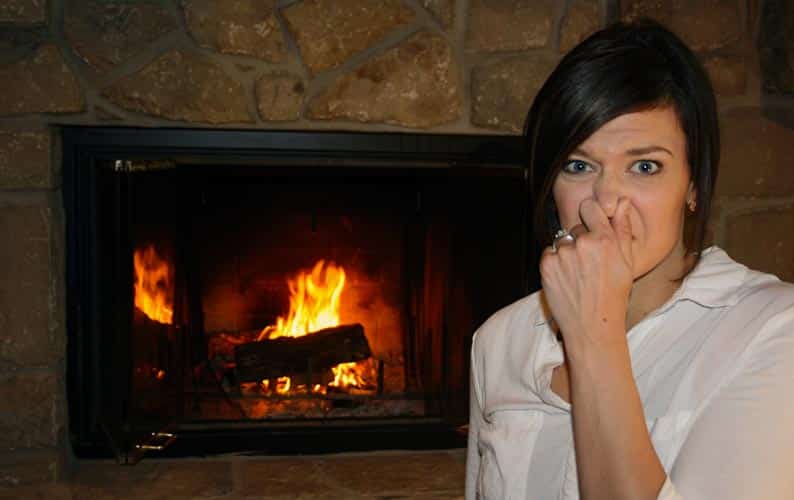
Every November, Minneapolis and Bloomington homeowners light their fireplaces for the first time and notice something: a strong smell drifting through the house. By December, the odor intensifies. January brings overwhelming chimney odor cold weather Minnesota. By February, some families can barely tolerate being near their fireplaces. Many assume this chimney odor cold weather Minnesota is normal and unavoidable. It’s not.
Chimney odor cold weather Minnesota has specific causes, most related to Minnesota’s harsh winter climate. Understanding why chimney odor cold weather Minnesota happens, what it indicates, and when to call professionals helps you address the problem confidently. This comprehensive guide explains the relationship between cold weather and chimney odor cold weather Minnesota, the specific dangers some odors represent, and proven solutions.
Whether you experience occasional mild odors or overwhelming smell during Minnesota’s coldest months, this information will help you understand what’s happening inside your chimney and what action is necessary.
Understanding Chimney Odor Cold Weather Minnesota: The Physics of Winter Smell
Chimney odor cold weather Minnesota isn’t random—it’s caused by specific seasonal factors affecting your chimney system.
Temperature Differential and Chimney Odor Cold Weather in Minnesota
The primary cause of chimney odor cold weather in Minnesota is temperature differential. Here’s how it works:
During Minnesota’s heating season (November–March), your home is warm inside (70°F+) while exterior temperatures are extremely cold (-10°F to +30°F). This dramatic temperature difference—sometimes exceeding 100°F—creates pressure and airflow changes inside your chimney.
Cold exterior air sinks down the chimney flue. Warm interior air rises. These opposing forces create a dynamic environment where creosote deposits, water vapor, and other accumulated materials volatilize (release gases). This volatilization is precisely what creates chimney odor cold weather Minnesota.
In warmer months, exterior and interior temperatures are closer, creating less pressure differential. This means less volatilization occurs, and chimney odor cold weather in Minnesota virtually disappears.
Humidity and Condensation Effects
Minnesota’s dry, cold winters create additional chimney odor cold weather in Minnesota factors. When warm interior moisture meets the cold exterior flue walls, condensation forms. This moisture reactivates dormant odor-producing compounds inside your chimney.
Creosote deposits that have dried and hardened during the off-season release smell when reactivated by cold-weather condensation. This explains why chimney odor cold weather in Minnesota is strongest during the coldest months—when temperature differentials are greatest.
Freeze-Thaw Cycles Accelerate Chimney Odor Cold Weather in Minnesota
Minnesota experiences 50–100+ annual freeze-thaw cycles. Each cycle causes microscopic chimney damage, creating cracks and roughened surfaces where creosote, moisture, and debris accumulate. This accumulation intensifies chimney odor cold weather in Minnesota.
Water entering through freeze-thaw damaged areas brings organic materials (dead insects, animal nesting materials, leaves) that decompose inside your chimney. This decomposition contributes to chimney odor cold weather in Minnesota during winter when temperatures prevent escape.
Seven Causes of Chimney Odor Cold Weather Minnesota
Chimney odor cold weather Minnesota results from multiple factors. Understanding these helps you recognize what’s happening in your specific situation.
Cause 1: Creosote Deposits (Most Common)
Creosote is a byproduct of wood burning that accumulates on flue walls. It’s the single most common cause of chimney odor cold weather in Minnesota.
How creosote creates chimney odor cold weather in Minnesota:
Creosote has tar-like components that release odorous gases when temperature-stressed. Cold weather temperature differentials cause these gases to release, intensifying chimney odor cold weather Minnesota significantly.
Heavy creosote accumulation (Stage 2–3) produces noticeably stronger chimney odor cold weather Minnesota than light accumulation (Stage 1). If you haven’t had professional cleaning in over a year, creosote is likely your chimney odor cold weather Minnesota cause.
What you can observe:
Strong tar-like smell, especially when fireplace isn’t in use, suggests creosote. The smell intensifies on Minnesota’s coldest days.
Professional solution:
Professional chimney cleaning removes creosote completely, eliminating this source of chimney odor cold weather Minnesota. Cost: $150–400 depending on creosote stage.
Cause 2: Water Intrusion and Moisture Damage
Minnesota’s freeze-thaw cycles cause water to enter chimneys through cracks, deteriorated mortar, or damaged flashing. This water carries organic materials and creates conditions for odor development.
How water damage causes chimney odor cold weather Minnesota:
Water inside chimneys promotes mold and mildew growth. It also allows decomposition of organic materials (dead animals, nesting materials, leaves). Both create strong odors that intensify in cold weather when moisture condenses.
What you can observe:
Musty, damp smell (different from tar-like creosote odor). Water stains visible on interior walls near chimney. Dampness or water evidence near chimney exterior.
Professional solution:
Identifying and sealing water entry points. Flashing repair or installation ($500–1,500). Chimney crown repair ($800–2,500). Professional assessment is essential—water damage hidden inside your chimney requires expert diagnosis.
Cause 3: Animal Nesting and Animal Entry
Birds, squirrels, raccoons, and other animals sometimes nest in chimneys. Their nesting materials, droppings, and sometimes dead animals create intense chimney odor cold weather Minnesota.
How animals cause chimney odor cold weather Minnesota:
Animal nesting materials decompose inside your chimney during winter. Animal waste (droppings) contains bacteria that produce odorous compounds. Dead animals trapped in chimneys create severe odors that worsen in cold weather.
What you can observe:
Debris at chimney cap (twigs, straw, feathers). Scratching sounds inside chimney. Evidence of animal activity near chimney. Sudden onset of chimney odor cold weather Minnesota (after animal entry).
Professional solution:
Professional animal removal ($500–1,500). Chimney cap installation to prevent future entry ($300–800). Chimney cleaning to remove remaining odor sources.
Cause 4: Damaged or Missing Chimney Cap
Chimney caps prevent rain, snow, and animals from entering your chimney. Missing or damaged caps allow water and debris entry, creating chimney odor cold weather Minnesota.
How cap damage causes chimney odor cold weather Minnesota:
Water enters freely through missing or damaged caps. Debris (leaves, twigs, animal nesting materials) accumulates. This combination creates conditions for mold, mildew, and decomposition—all producing chimney odor cold weather Minnesota.
What you can observe:
Looking up from ground level, you can often see if your cap is missing, damaged, or tilted. Debris accumulation around chimney base.
Professional solution:
New chimney cap installation ($300–800). Professional cleaning to remove accumulated debris and odor sources.
Cause 5: Flashing Leaks and Roof Penetration Issues
Your chimney penetrates your roof at a point called the flashing. Poor flashing installation or deterioration causes water to enter your home and chimney, creating chimney odor cold weather Minnesota.
How flashing leaks cause chimney odor cold weather Minnesota:
Water seeping through damaged flashing creates moisture inside your chimney structure. This moisture promotes mold, mildew, and decomposition of organic materials. Minnesota’s freeze-thaw cycles worsen flashing deterioration, intensifying chimney odor cold weather Minnesota each year.
What you can observe:
Water stains on interior walls near where chimney enters home. Ceiling stains under attic spaces near chimney. Visible gaps between chimney and roof exterior.
Professional solution:
Professional flashing inspection ($100–200). Flashing repair or replacement ($500–1,500). Professional chimney cleaning to address water damage effects.
Cause 6: Chimney Flue Deterioration
Minnesota’s extreme freeze-thaw cycles (50–100+ annually) damage chimney flue liners. Cracks, spalling, and deterioration create rough interior surfaces where creosote and odor-producing materials accumulate.
How flue deterioration causes chimney odor cold weather Minnesota:
Damaged flue liners have rough, irregular surfaces that trap creosote more efficiently. Cracks allow water entry, promoting mold and mildew inside your chimney structure. Together, these factors intensify chimney odor cold weather Minnesota during winter.
What you can observe:
You cannot safely inspect flue deterioration from ground level. However, visible exterior chimney damage (spalling brick, cracked mortar) suggests interior damage exists.
Professional solution:
Professional video inspection reveals flue liner condition ($100–200). Damaged liners may require relining—a major repair ($1,500–4,000+). Professional assessment is essential.
Cause 7: Dead Animals Inside Chimney
Despite prevention efforts, occasionally animals die inside chimneys. This creates severe, overwhelming chimney odor cold weather Minnesota.
How dead animals cause chimney odor cold weather Minnesota:
Decomposing animal bodies produce powerful odorous compounds. In winter, cold temperatures don’t prevent decomposition entirely—they slow it down, prolonging the odor. The smell intensifies when temperature fluctuations accelerate decomposition cycles.
What you can observe:
Suddenly overwhelming, sickly-sweet smell. Possible flies or insects visible inside home. Smell concentrated near fireplace opening or above roof.
Professional solution:
Professional removal of dead animal ($500–1,500). Thorough chimney cleaning and deodorization. Chimney cap installation to prevent future animal entry.
When Chimney Odor Cold Weather Minnesota Indicates Danger
Most chimney odor cold weather Minnesota is unpleasant but not immediately dangerous. However, certain odors indicate serious problems requiring urgent professional attention.
Dangerous Odor #1: Chemical or Burning Smell
If you smell burning plastic, chemicals, or other non-creosote odors, this suggests dangerous conditions inside your chimney.
Possible causes:
- Creosote igniting or burning abnormally (chimney fire risk)
- Chemical residues from previous damage
- Non-wood materials accidentally burned
- Electrical issues near chimney (rare but possible)
Action required:
Professional inspection within 24 hours. Do not use fireplace until assessed.
Dangerous Odor #2: Strong Gas-Like Smell
A distinct gas smell (different from creosote tar smell) suggests carbon monoxide or other toxic gas problems.
Possible causes:
- Incomplete combustion producing carbon monoxide
- Ventilation problems allowing CO backup
- Chimney draft failure
Action required:
Professional inspection within 24 hours. Ensure working carbon monoxide detectors in home.
Dangerous Odor #3: Mold or Severe Dampness Smell
While some dampness smell is normal in Minnesota, overwhelming mold smell indicates significant water damage creating health risks.
Possible causes:
- Severe water intrusion from freeze-thaw damage
- Flashing failure allowing roof water entry
- Damaged chimney crown not protecting interior
Action required:
Professional inspection and water damage assessment within 1 week. Continued water intrusion damages home structure significantly.
Managing Chimney Odor Cold Weather Minnesota: What You Can Do
While professional assessment is often necessary, certain steps can temporarily manage chimney odor cold weather Minnesota.
Strategy 1: Improve Airflow
Increasing airflow through your chimney can reduce odor concentration in your home.
How to improve airflow:
- Open fireplace damper fully before lighting fires
- Crack a window open slightly when fireplace is operating
- Ensure furnace/furnace exhaust doesn’t create negative pressure
- Have professionals verify chimney draft adequacy
Results:
This doesn’t eliminate chimney odor cold weather Minnesota, but it disperses odors more effectively, reducing smell intensity inside your home.
Strategy 2: Use Odor-Reducing Products
Commercial chimney odor reducers can temporarily mask chimney odor cold weather Minnesota smell.
Caution:
These products mask symptoms but don’t address underlying causes. Use only as temporary solutions while arranging professional assessment.
Strategy 3: Seal Home Tightly
Minnesota homes need to be sealed against cold anyway. Proper sealing also reduces how much chimney odor cold weather Minnesota enters your living spaces.
How sealing helps:
- Weather stripping around doors/windows
- Caulking gaps and cracks
- Ensuring proper HVAC system sealing
Note:
Proper home sealing shouldn’t be tight enough to create ventilation problems. Professional guidance ensures you balance cold weather sealing with adequate air exchange.
Strategy 4: Schedule Professional Cleaning Before Cold Season
Professional chimney cleaning (August–September) removes creosote before cold weather creates chimney odor cold weather Minnesota.
Benefits:
- Eliminates creosote odor source
- Prevents cold-weather smell problem entirely
- Costs significantly less than emergency cleaning
Timing:
Professional cleaning in August–September prevents November–February chimney odor cold weather Minnesota entirely.
Professional Assessment for Chimney Odor Cold Weather Minnesota
When chimney odor cold weather Minnesota is severe or concerning, professional assessment is essential.
What Professional Assessment Includes
CSIA-certified inspectors will:
- Perform video inspection to identify odor sources
- Check for creosote accumulation (Stage 1, 2, or 3)
- Assess water intrusion and moisture damage
- Inspect for animal entry or nesting
- Evaluate chimney cap, flashing, and crown condition
- Test chimney draft and air quality
- Provide written assessment with photographs
- Recommend specific solutions for your chimney odor cold weather Minnesota
Cost of Professional Assessment
Video inspection costs $100–200. Assessment provides definitive answers about your chimney odor cold weather Minnesota.
Solutions Based on Assessment
Once professionals identify your chimney odor cold weather Minnesota cause, solutions vary:
- Creosote cleaning: $150–400 (eliminates main odor source)
- Flashing repair: $500–1,500 (prevents water entry)
- Chimney cap: $300–800 (prevents debris/animal entry)
- Flue relining: $1,500–4,000+ (addresses deterioration)
- Animal removal: $500–1,500 (if applicable)
- Deodorization: $200–500 (after odor source removal)
When to Call Chimney Crickets: Professional Chimney Odor Cold Weather Minnesota Solutions
Knowing when to seek professional help ensures chimney odor cold weather Minnesota is addressed appropriately.
Schedule Professional Assessment When:
- Chimney odor cold weather Minnesota is strong during heating season
- You haven’t had professional inspection in over 1 year
- You notice new or intensifying odors
- You’re planning heavy fireplace use this winter
- You smell anything suspicious or unusual
- Family members have respiratory concerns
- You want confirmation your chimney is safe
Schedule Immediate Professional Service When:
- Chemical or burning smell (not creosote)
- Gas-like smell suggesting carbon monoxide
- Overwhelming mold smell indicating water damage
- Dead animal evidence
- Any safety concern making you uncomfortable
- Chimney hasn’t been used in years (before resuming)
Chimney Crickets provides professional chimney odor cold weather Minnesota diagnosis throughout Minneapolis, Bloomington, and the Twin Cities metro.
Our Services
Explore the full range of Chimney Crickets services for Minnesota homeowners:
🔍 Chimney Inspections — Start with a professional evaluation before any repair
🧱 Chimney Repointing — Restore deteriorated mortar joints in Minnesota masonry
👑 Chimney Crown Repair — Seal or rebuild a cracked or damaged chimney crown
🔩 Chimney Flashing Repair — Stop water entry at the roof-chimney junction
💧 Chimney Leak Repair — Trace and resolve active moisture entry
🛡️ Chimney Waterproofing — Protect repaired masonry from future moisture damage
🏗️ Full Masonry Repair — Comprehensive brick and mortar restoration
Serving Minnesota Homeowners
Chimney Crickets serves homeowners throughout Bloomington, Minneapolis, the South Metro and surrounding Minnesota communities.
Frequently Asked Questions
Why is chimney odor cold weather Minnesota stronger than summer smells?
Temperature differential between warm interior and cold exterior creates pressure changes that cause creosote to release gases. Colder weather intensifies this effect, making chimney odor cold weather Minnesota stronger during winter.
Is chimney odor cold weather Minnesota dangerous?
Tar-like creosote smell is unpleasant but not immediately dangerous if caused by creosote. However, chemical, burning, or gas-like smells suggest dangerous conditions requiring urgent professional assessment.
Can I eliminate chimney odor cold weather Minnesota myself?
Temporary masking is possible with odor reducers, but permanent solutions require professional assessment. Underlying causes (creosote, water damage, animal entry) need professional diagnosis and treatment.
Does professional chimney cleaning stop chimney odor cold weather Minnesota?
Yes, if creosote is the primary cause. Professional cleaning removes creosote completely, eliminating that odor source. However, if water damage or animal entry exists, cleaning alone won’t eliminate smell.
How often should I have chimney cleaning to prevent chimney odor cold weather Minnesota?
Annual cleaning is recommended for regular fireplace users. Professional cleaning before November prevents chimney odor cold weather Minnesota from developing during winter.
What does dangerous chimney odor cold weather Minnesota smell like?
Creosote smell is tar-like and acrid. Dangerous smells include chemical/burning odors, gas-like smells, or overwhelming mold smells—all indicating problems requiring professional assessment.
Can water damage cause chimney odor cold weather Minnesota?
Yes. Water intrusion from freeze-thaw cycles or flashing leaks promotes mold, mildew, and decomposition, creating odors that intensify in cold weather.
What role does Minnesota's climate play in chimney odor cold weather Minnesota?
Minnesota’s extreme temperature differentials (50–100°F swings), freeze-thaw cycles (50–100+ annually), and extended heating season all intensify chimney odor cold weather Minnesota compared to warmer climates.
How much does professional assessment for chimney odor cold weather Minnesota cost?
Video inspection costs $100–200. This provides definitive diagnosis of your chimney odor cold weather Minnesota cause.
Can I prevent chimney odor cold weather Minnesota entirely?
Yes. Annual professional cleaning before winter eliminates creosote buildup. Proper chimney cap and flashing prevent water entry and animal intrusion. Together, these prevent most chimney odor cold weather Minnesota.
Is chimney odor cold weather Minnesota related to chimney fires?
Not directly, but both involve creosote. Heavy creosote creating strong chimney odor cold weather Minnesota also indicates chimney fire risk. Professional cleaning addresses both concerns.
What if chimney odor cold weather Minnesota suddenly appears mid-season?
Sudden onset suggests recent animal entry, water damage, or creosote ignition beginning. Professional assessment within days is appropriate.
Can opening windows reduce chimney odor cold weather Minnesota inside my home?
Temporarily, yes. Opening a nearby window improves airflow and disperses odor. However, this doesn’t eliminate the underlying cause.
Where can I find qualified professionals for chimney odor cold weather Minnesota assessment?
Search Verified Chimney Pros for CSIA-certified inspectors in Minneapolis–Bloomington. Chimney Crickets provides professional assessment throughout Twin Cities.
How long does chimney odor cold weather Minnesota last if untreated?
It persists throughout Minnesota’s heating season (November–March), potentially intensifying as winter progresses. Professional assessment and appropriate treatment eliminate it permanently.