
Fireplace Damper Problems Minnesota: Essential Guide
Fireplace damper problems Minnesota homeowners encounter each autumn can turn a cozy November evening into a smoky, drafty frustration. Your damper is the movable metal valve inside your chimney system that opens to let smoke escape during a fire and closes to seal out cold outdoor air when the hearth is idle. When that valve rusts, warps, or jams, you lose both indoor comfort and safe exhaust venting.
Understanding what causes fireplace damper problems Minnesota households face helps you spot trouble before lighting your first fire of the season. This guide explains how dampers work, why Minnesota winters wear them down, what you can safely check from your living room, and when to call a chimney professional.
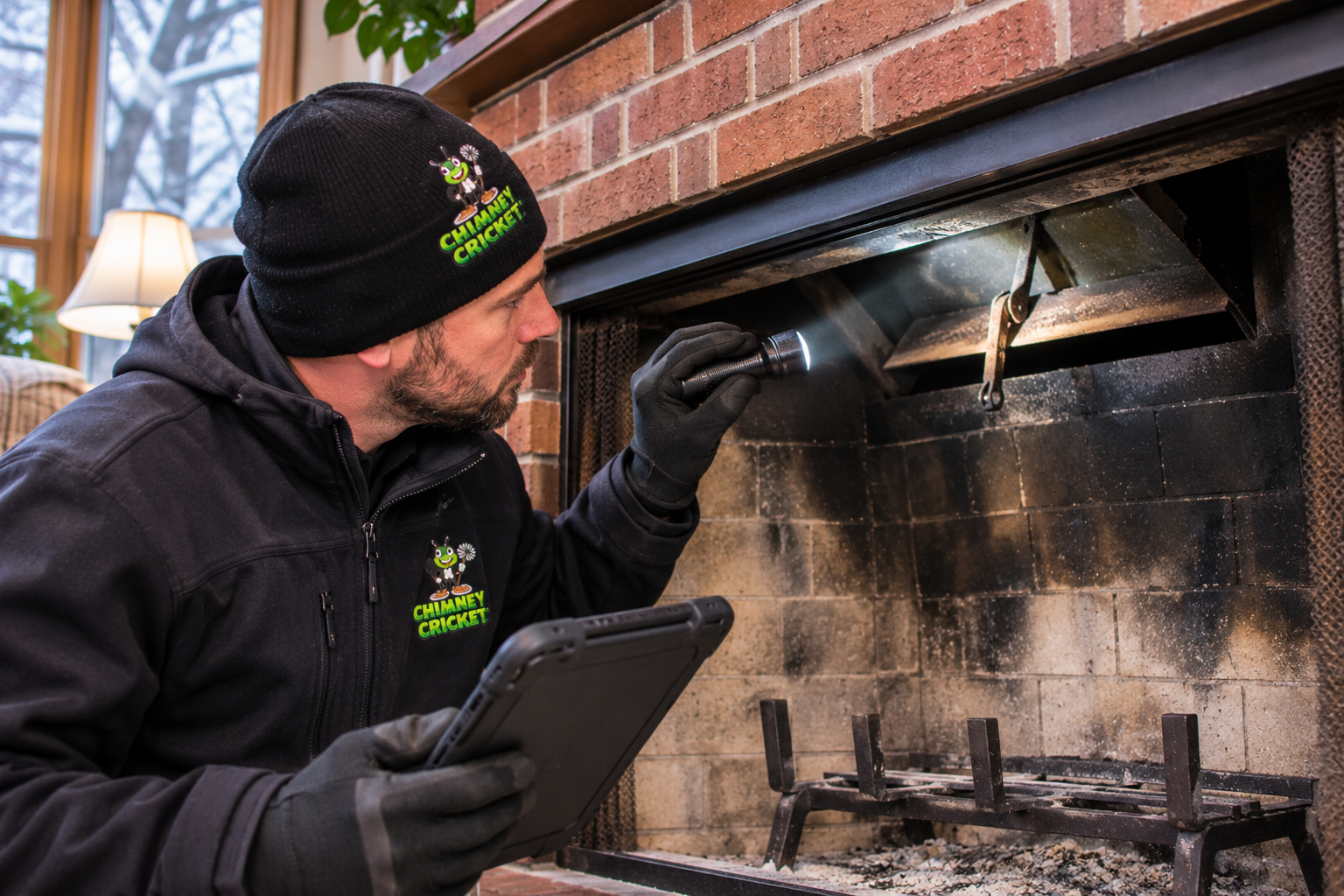
Why Fireplace Damper Problems Minnesota Homes Experience Matter Before Winter
Your damper performs two opposite jobs every single day during the heating season. When you burn wood, it must open smoothly and stay open so smoke, heat, and combustion gases rise cleanly up the flue. Once the fire is completely out and ashes are cold, it must close tightly to separate your heated living room from subzero outdoor temperatures.
Left unresolved, fireplace damper problems Minnesota families overlook create immediate comfort and safety headaches:
- Smoke and carbon monoxide backup: A damper that only opens halfway restricts upward draft, forcing smoke and invisible gases back into your living room.
- Severe heat loss and cold drafts: An open chimney flue acts like an open window, pulling warm indoor air up the stack while dropping cold air onto your living room floor.
- Moisture and debris entry: A poorly sealing damper allows humid air, soot flakes, and downdrafts to carry musty odors into your home.
Addressing fireplace damper problems Minnesota properties develop in early fall keeps your home warmer and ensures reliable draft before deep winter cold settles in.
The National Fire Protection Association (NFPA) establishes chimney and fireplace safety guidelines under NFPA 211, noting that dampers must operate freely and remain fully open whenever a fire is burning. The Chimney Safety Institute of America (CSIA) also emphasizes checking damper operation during annual chimney evaluations.
Throat Dampers vs. Top-Sealing Dampers in Twin Cities Homes
Before troubleshooting fireplace damper problems Minnesota technicians see most often, it helps to know which damper style your fireplace uses. Homes across Minneapolis, Bloomington, and surrounding suburbs typically rely on one of two designs.
Traditional Cast-Iron Throat Dampers
Most mid-century masonry fireplaces in the Twin Cities feature a cast-iron or steel throat damper set just above the firebox opening. You operate it with a metal poker lever, a rotary crank on the brick face, or a pull chain hanging near the upper firebox wall.
Throat dampers rely on a metal-to-metal contact lip to block airflow when closed. Even when brand new, cast-iron throat dampers rarely create an airtight seal, and age or rust easily widens those tiny gaps.
Modern Top-Sealing Chimney Dampers
A top-sealing damper mounts directly onto the top of the flue tile at the chimney crown. A stainless steel cable runs down inside the flue to a spring-loaded handle mounted along the side wall of the firebox.
When closed, a silicone rubber gasket presses firmly against a metal frame, creating a tight weather seal while doubling as an animal and rain cover. Still, cable tension issues or ice buildup can occasionally trigger fireplace damper problems Minnesota homeowners need adjusted.
Five Common Causes of Fireplace Damper Problems Minnesota Winters Trigger
Minnesota’s long heating season, damp autumns, and subzero temperature swings put heavy mechanical stress on moving metal parts. Several familiar culprits cause most fireplace damper problems Minnesota homes experience.
1. Rust and Corrosion From Chimney Moisture Leaks
Cast-iron throat dampers sit directly beneath the open chimney flue. Whenever rain or melted snow enters through chimney crown cracks or a damaged chimney cap, water drips straight onto the damper plate and hinge pins.
Over several seasons, rust flakes fuse the metal pivot points together. Once corroded, the damper may refuse to budge or stick partway open.
2. Warped Metal From Intense Fire Heat
Burning oversized fires or seasoned hardwood logs piled high against the back wall sends extreme heat directly into the throat area. Repeated overheating warps cast-iron damper blades so they no longer sit flat against the frame.
When severe heat causes firebox damage in the hearth below, technicians frequently find warped damper frames right above it.
3. Heavy Creosote and Soot Buildup Jamming the Hinge
As wood smoke rises through the narrower throat opening, sticky combustion residue coats the upper side of the damper blade. Thick creosote buildup hardens into a tar-like crust that wedges the damper shut or prevents it from opening all the way.
Regular chimney cleaning removes those deposits from the upper damper surface where a hearth brush cannot reach.
4. Broken Chains, Rusted Cables, or Disconnected Handles
Throat damper cotter pins, control rods, and pull chains endure constant heat and moisture exposure. Over time, a small pin snaps or a cable frays, leaving the wall handle moving freely while the damper blade stays locked in place.
5. Fallen Mortar, Bricks, or Animal Nests Blocking Movement
Crumbing mortar from the smoke chamber or displaced flue tiles can fall onto the top of a closed throat damper. Similarly, birds or squirrels entering an uncovered flue often build nests directly on the flat damper shelf, creating fireplace damper problems Minnesota homeowners discover the moment they try to open the flue in November.
Warning Signs of Fireplace Damper Problems Minnesota Homeowners Can Spot
Catching early symptoms prevents smoke-filled rooms and frozen living room floors. Watch for these six clues pointing to fireplace damper problems Minnesota technicians routinely resolve:
- Stiff, grinding, or jammed control lever: The poker handle, rotary knob, or wall cable feels unusually tight or refuses to lock into the open position.
- Handle moves without resistance: Moving the handle produces no metallic clunk above the firebox, signaling a disconnected linkage or snapped cable.
- Persistent cold air pouring from the hearth: Feeling a steady chilly breeze near the closed glass doors on windy winter days indicates a warped or partially open damper.
- Whistling or rattling noises in high wind: Loose damper plates or worn top-sealing springs vibrate noisily during strong Minnesota windstorms.
- Smoke spilling into the room at startup: Sluggish draft and fireplace smoke problems often happen when a damper only opens a fraction of an inch.
- Rust flakes or mortar grit on the firebox floor: Debris resting beneath the grate frequently drops from a corroding damper frame above.
According to the Environmental Protection Agency (EPA), indoor wood smoke contains fine particles and carbon monoxide that can irritate lungs and create serious health hazards when exhaust backs up indoors. Confirming full damper opening before every fire protects your household’s indoor air quality.
Safe Hearth-Level Checks vs. Professional Fireplace Damper Problems Minnesota Service
You can perform a quick, safe check from your living room floor before lighting your first fall fire. Wait until the firebox is completely cold and free of hot embers, then follow these steps:
- Shine a bright flashlight upward into the throat: Look directly above the firebox opening to verify whether the metal damper plate swings open cleanly and sits flat when closed.
- Test the handle gently without forcing it: Operate the lever or cable smoothly; if it binds or grinds, stop immediately so you do not bend rods or crack surrounding brick.
- Check for cold drafts on a breezy day: Hold the back of your hand near the closed damper opening (never with an open flame) to feel whether outdoor air is leaking past the seal.
- Confirm smoke and carbon monoxide alarms work: Press the test button on detectors near the living area and on every floor of your home.
Leave all elevated, internal, and mechanical repairs to trained chimney specialists:
- Climbing ladders or stepping onto pitched roofs to inspect top-sealing dampers
- Reaching arms or head up past the damper into the smoke chamber or flue
- Using hammers, pry bars, or penetrating oils on rusted cast-iron dampers
- Removing animal nests or fallen masonry debris resting above the damper blade
- Installing new top-sealing dampers or replacing warped throat frames
Forcing a rusted cast-iron damper with pliers or a hammer can crack the masonry throat wall, turning a straightforward damper repair into a costly rebuild.
Repair and Upgrade Options for Fireplace Damper Problems Minnesota Technicians Recommend
Once a technician evaluates your fireplace, the right fix depends on damper style, extent of corrosion, and chimney condition. Professionals generally recommend one of three solutions for fireplace damper problems Minnesota homes present.
Cleaning, Linkage Adjustment, and Hinge Service
If the damper frame and blade remain flat and structurally intact, a technician can remove hardened creosote from the upper plate, clear fallen debris, replace worn cotter pins, and adjust handle tension. Pairing this service with an annual chimney inspection restores smooth operation.
Throat Damper Blade or Frame Repair
When a throat damper plate is rusted through or warped beyond adjustment, technicians can sometimes replace the removable blade or install a replacement throat unit. Because removing a mortared cast-iron frame requires careful masonry work, technicians evaluate whether repairing the throat or upgrading to a top-sealing unit offers better long-term value.
Upgrading to a Top-Sealing Chimney Damper
Many Minneapolis and Bloomington homeowners solve chronic fireplace damper problems Minnesota winters cause by installing a top-sealing damper at the flue top. Technicians lock open or remove the old, leaky throat damper plate and mount a stainless steel or cast-aluminum top-sealing unit on the flue tile.
Because the silicone rubber gasket seals tightly at the very top of the chimney, the entire flue column stays warmer and drier between fires. That tight seal dramatically cuts winter cold drafts and keeps rain, snow, and wildlife out of the chimney.
November Pre-Fire Checklist to Prevent Fireplace Damper Problems Minnesota Wide
Building a quick maintenance routine each November keeps your fireplace ready for holiday gatherings and subzero nights. Follow these five preventive habits:
- Verify damper position visually before every fire: Never rely solely on handle position—shine a flashlight upward to confirm the damper blade is wide open before striking a match.
- Keep the damper closed whenever the fireplace is idle: Wait until embers are completely out and cold to the touch, then close the damper to prevent heated indoor air from escaping.
- Protect the chimney top from rain and snow: Keep a sturdy cap or top-sealing damper maintained so moisture cannot drip onto internal metal hardware.
- Schedule annual chimney cleaning and inspection each fall: Routine maintenance removes sticky creosote from the damper hinge and catches early rust or chimney liner inspection concerns.
- Pair glass doors with a closed damper for idle fireplaces: Tempered glass doors add a secondary draft barrier when the fireplace is not burning, though doors should remain open during active fires unless manufacturer-rated for closed-door burning.
When to Call a Pro for Fireplace Damper Problems Minnesota Concerns
Prompt professional service keeps a minor mechanical snag from becoming an indoor smoke or energy-loss issue. Use these practical timing guidelines to decide when to book an appointment:
- Stop burning and call promptly if the damper will not open fully, smoke spills into the room, or the control handle disconnects from the blade.
- Schedule service within 30 days if you feel cold drafts pouring down a closed fireplace, hear rattling during windstorms, or spot rust flakes on the hearth.
- Book a routine check before your first November fire if your damper seems to move properly, yet more than a year has passed since your last full evaluation.
When choosing a chimney service company, verify proper liability insurance and industry training. You can check regional service providers through the Verified Chimney Pros and ask whether technicians hold CSIA certification.
Chimney Crickets is located in Bloomington, Minnesota, and serves homeowners across Bloomington, Minneapolis, and the Twin Cities metro area within roughly 35 miles. When you notice a stuck handle, cold draft, or smoky startup, our team provides thorough evaluations and dependable chimney repair solutions.
Our Services
Explore the full range of Chimney Crickets services for Minnesota homeowners:
🔍 Chimney Inspections — Start with a professional evaluation before any repair
🧱 Chimney Repointing — Restore deteriorated mortar joints in Minnesota masonry
👑 Chimney Crown Repair — Seal or rebuild a cracked or damaged chimney crown
🔩 Chimney Flashing Repair — Stop water entry at the roof-chimney junction
💧 Chimney Leak Repair — Trace and resolve active moisture entry
🛡️ Chimney Waterproofing — Protect repaired masonry from future moisture damage
🏗️ Full Masonry Repair — Comprehensive brick and mortar restoration
Serving Minnesota Homeowners
Chimney Crickets serves homeowners throughout Bloomington, Minneapolis, the South Metro and surrounding Minnesota communities.
Frequently Asked Questions
Why is my fireplace damper stuck and hard to move?
Fireplace dampers commonly stick due to rust from rainwater dripping down the flue, hardened creosote coating the hinge, or fallen mortar debris resting on top of the blade. Do not force the handle with tools, as excessive pressure can bend linkages or crack surrounding brick.
How can I tell if my fireplace damper is open or closed?
Shine a bright flashlight up into the top of a cold firebox to look directly at the metal damper plate. When open, you will see an unobstructed vertical opening leading into the smoke chamber; when closed, the flat metal plate covers the throat opening.
Is it safe to light a fire if the damper only opens partway?
No, a partially open damper restricts exhaust airflow and can force smoke and carbon monoxide back into your living room. Have a qualified chimney technician clear the obstruction or repair the linkage before lighting a fire.
Why do I feel cold air coming from my fireplace even when the damper is closed?
Traditional cast-iron throat dampers use a metal-on-metal seal that often develops gaps from warping, rust, or soot buildup over time. Upgrading to a top-sealing chimney damper with a silicone rubber gasket creates a much tighter barrier against Minnesota winter drafts.
What is a top-sealing chimney damper?
A top-sealing damper is a spring-loaded metal cap with a heat-resistant silicone gasket installed on top of the chimney flue and controlled by a stainless steel cable inside the firebox. It seals out cold air, rain, snow, and animals far more effectively than an old throat damper.
Can a top-sealing chimney damper freeze shut during a Minnesota winter?
Quality top-sealing dampers are designed to shed snow and ice, though severe freezing rain can occasionally stiffen any exterior component. If a cable feels frozen or jammed, avoid yanking it hard and call a chimney technician to inspect the top unit safely.
Should I close my fireplace damper as soon as the flames die down?
No, wait until all glowing embers are completely out and ashes are cold before closing the damper. Closing the damper while coals are still smoldering can trap carbon monoxide and smoke inside your home.
Can I spray household lubricant on a rusted fireplace damper myself?
Standard household penetrating oils are flammable and can produce hazardous fumes or flare up when exposed to fireplace heat. A chimney professional can safely clean corroded hinges and apply high-temperature treatments designed for fireplace components.
How does a broken chimney cap cause fireplace damper problems Minnesota homes face?
When a chimney cap is missing or damaged, rain and melted snow fall straight down the flue onto the cast-iron damper below. Repeated moisture exposure causes heavy rust that freezes the damper hinge and corrodes the frame.
What happens if a bird or squirrel builds a nest on top of my damper?
Nesting material blocks the damper from opening fully and creates a severe fire and carbon monoxide hazard if a fire is lit. Stop using the fireplace and schedule a professional chimney sweep to remove the blockage and install a proper animal-proof cap.
Can I install a top-sealing damper myself?
No, installing a top-sealing damper requires working safely on a pitched roof, sizing the frame to the flue tile, and routing a tensioned cable down the chimney into the firebox. Leave roof-level installation to an insured chimney professional.
Why does my damper rattle or whistle on windy winter days?
Strong winds passing across the chimney top create pressure changes that vibrate loose throat damper plates or worn springs. A technician can adjust the damper mechanism or recommend a tighter-sealing top damper to stop the noise and draft.
How often should my fireplace damper be inspected?
The National Fire Protection Association (NFPA) recommends an annual inspection for all active fireplaces and chimneys. Checking damper operation during your fall inspection ensures smooth opening and tight closing before peak winter use.
Does a gas log set require the fireplace damper to stay open?
Yes, vented gas log sets installed in masonry fireplaces require the damper to remain open—or fitted with an approved permanent damper clamp—so exhaust gases vent outdoors safely. Always follow appliance manufacturer rules and have a technician verify proper venting.
What should I look for when hiring a pro for fireplace damper problems Minnesota service?
Verify liability insurance and credentials through resources like the Verified Chimney Professionals Directory and CSIA. Choose a company that inspects the full flue system as well as the damper and provides clear, written recommendations before starting work.