
Poor Chimney Draft Minnesota: Essential Homeowner Guide
Poor chimney draft Minnesota homeowners experience during autumn and winter is one of the most common reasons fireplaces smoke, smell musty, or struggle to stay lit. Chimney draft is the natural upward suction created when warm combustion gases rise out of the flue and pull fresh air into the firebox. When cold outdoor air, indoor pressure imbalances, or flue restrictions interrupt that upward flow, smoke backs into your living room instead of venting outdoors.
Understanding what causes poor chimney draft Minnesota properties face helps you troubleshoot safely from the hearth and recognize when a professional inspection is needed. This guide explains how chimney draft works in cold climates, seven common culprits behind weak airflow, safe checks you can perform indoors, and when to call a certified chimney specialist.
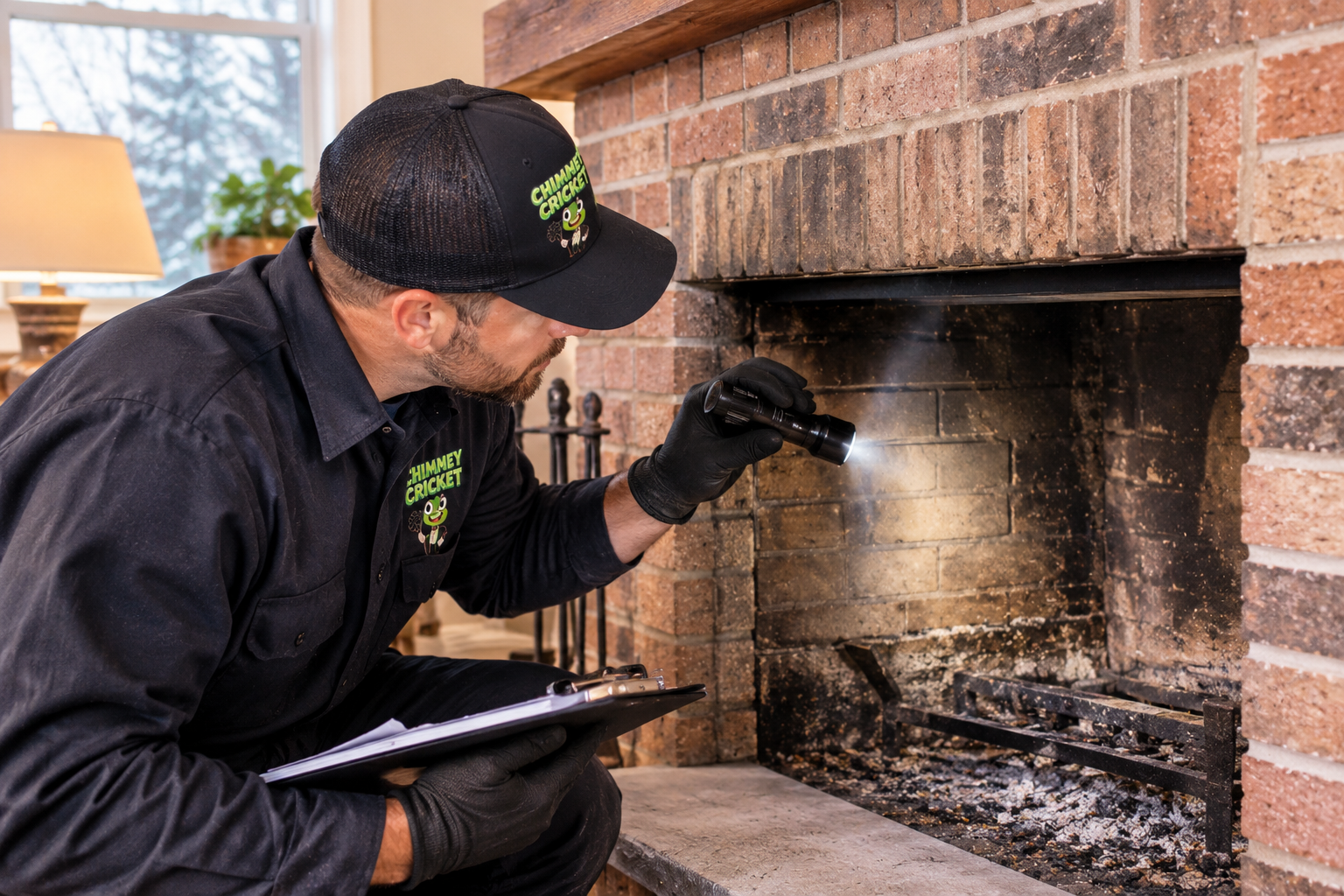
Why Poor Chimney Draft Minnesota Homes Face Is a Fire and Air-Quality Risk
A healthy draft does far more than keep smoke out of your eyes. Steady upward airflow supplies oxygen for clean combustion, carries hazardous gases outdoors, and keeps flue temperatures warm enough to minimize sticky residue inside the chimney.
When poor chimney draft Minnesota families encounter goes unresolved, three serious hazards develop quickly:
- Smoke and carbon monoxide spillage: Sluggish upward pull allows wood smoke and invisible combustion gases to spill past the lintel into your living space.
- Rapid creosote accumulation: Weak draft slows smoke movement, giving vapors extra time to cool and condense onto flue walls as flammable creosote buildup.
- Cold downdrafts and lingering odors: When the chimney pulls air downward instead of upward, icy outdoor air and sooty odors pour into your living room whenever the hearth is idle.
Addressing poor chimney draft Minnesota homes develop early in the heating season protects indoor air quality and keeps fires burning cleanly through subzero nights.
The National Fire Protection Association (NFPA) establishes residential chimney and venting safety standards under NFPA 211, emphasizing unobstructed flue passages and annual inspections. The Chimney Safety Institute of America (CSIA) likewise notes that proper chimney height, sizing, and air supply are essential for reliable draft performance.
How Chimney Draft Works in Cold Minnesota Weather
Every chimney acts like a thermal engine powered by temperature differences. Hot air is lighter and less dense than cold air, so heated smoke inside the firebox naturally rises up the flue while cooler room air moves in underneath the logs to replace it.
In theory, frigid Minnesota winters should create strong draft because the temperature gap between a hot fire and subzero outdoor air is enormous. Yet poor chimney draft Minnesota homeowners run into every November happens because cold air sitting inside an unused chimney creates a heavy “cold air plug.”
Until you warm the flue column enough to push that dense plug of cold air upward, incoming room air cannot establish a steady upward current. At the same time, modern weatherized houses and mechanical exhaust fans compete against the chimney for indoor air.
Seven Common Causes of Poor Chimney Draft Minnesota Homeowners Encounter
Pinpointing why your fireplace draws weakly starts with looking at both the chimney structure and the house around it. Technicians evaluating poor chimney draft Minnesota wide routinely trace the problem to one or more of these seven causes.
1. Cold Air Plug in an Exterior Masonry Chimney
Many Twin Cities homes have masonry chimneys built along an exterior wall rather than rising through the warm center of the house. All four sides of an exterior stack sit exposed to freezing wind and subzero temperatures.
When the fireplace sits unused between weekends, frigid air settles deep inside the flue. Lighting a cold fire without warming the flue first often causes poor chimney draft Minnesota homeowners notice during the first ten minutes of burning.
2. Negative Air Pressure and the House Stack Effect
Warm indoor air naturally rises toward upper floors and escapes through attic bypasses, recessed lights, and window frames—a process building scientists call the stack effect. As warm air exits upstairs, the lower level of your home develops slightly lower air pressure than the outdoors.
If your living room fireplace sits on the main floor or in a walkout basement, the house tries to pull replacement air downward through the chimney flue. Running kitchen range hoods, bathroom exhaust fans, clothes dryers, or a forced-air furnace at the same time worsens negative pressure and triggers poor chimney draft Minnesota homes frequently exhibit after energy-efficiency upgrades.
3. Partially Closed or Obstructed Fireplace Damper
A damper that opens only partway chokes off the throat opening where smoke enters the smoke chamber. Rusted hinges, warped cast-iron plates, or debris sitting above the blade often cause fireplace damper problems that restrict upward airflow.
Even a small restriction at the damper throat forces smoke to curl out beneath the fireplace lintel into your room.
4. Flue Blockages From Creosote, Leaves, or Animal Nests
Any physical obstruction narrows the usable diameter of your chimney liner. Thick soot, glazed creosote, autumn leaves, or squirrel and bird nests restrict exhaust flow and create severe poor chimney draft Minnesota households must resolve before lighting another fire.
A missing or torn screen on a damaged chimney cap is one of the most common ways leaves and wildlife enter an open flue.
5. Improper Chimney Height or Wind Turbulence Nearby
Under NFPA 211 building rules, a chimney must extend at least three feet above the roof penetration and at least two feet higher than any roof ridge, wall, or nearby structure within ten feet. Chimneys that fall short of this “3-2-10 rule” sit inside turbulent wind zones.
When strong Minnesota northwest winds sweep over a nearby roof peak or tall evergreen trees, downward air currents can push exhaust back down the flue.
6. Oversized or Damaged Flue Liner
A flue liner must match the size of the fireplace opening so smoke stays warm and buoyant all the way to the top. If a flue is too large—or if cracked tiles and open mortar joints leak cooling air into the passage—smoke loses velocity halfway up the stack.
Scheduling a video chimney liner inspection reveals hidden liner gaps or sizing mismatches that disrupt airflow.
7. Wet Firewood and Smoldering Startup Fires
Freshly cut or damp logs waste tremendous heat boiling off internal water before reaching clean combustion temperatures. Cool, moisture-heavy smoke lacks the buoyancy needed to rise briskly, creating sluggish draw and fireplace smoke problems indoors.
Why Basement Fireplaces Struggle Most With Draft
Walkout and lower-level fireplaces across Minneapolis and Bloomington sit at the lowest pressure point of the home’s thermal envelope. Because warm air rises toward the second story, basement hearths must overcome stronger downward air pull before establishing upward suction.
That pressure imbalance makes poor chimney draft Minnesota lower-level fireplaces experience especially noticeable when exterior temperatures drop below freezing.
Safe Hearth-Level Checks for Poor Chimney Draft Minnesota Homeowners Can Try
You can safely test a few simple variables at hearth level before calling for service. Keep all checks strictly inside the living room and never climb onto a roof or reach inside the chimney throat:
- Confirm the damper is 100 percent open: Shine a bright flashlight up into a cold firebox to verify the metal damper blade is swung completely clear of the throat opening.
- Turn off household exhaust fans temporarily: Switch off kitchen range hoods, bath fans, and clothes dryers while starting a fire to relieve negative indoor pressure.
- Crack a nearby window half an inch: Opening a window near the fireplace provides direct make-up air so the chimney does not have to fight house suction.
- Prime a cold flue before lighting logs: Hold a lit, tightly rolled newspaper torch or point a warm hair dryer upward toward the open damper throat for two to three minutes to push the cold air plug upward.
- Check your firewood moisture: Burn only dry, split hardwood seasoned for at least six to twelve months; seasoned logs feel lighter, show radial end cracks, and knock together with a crisp ring.
- Test smoke and carbon monoxide alarms: Press the test button on every detector to confirm working batteries and audible alerts.
According to the Environmental Protection Agency (EPA), proper draft and dry seasoned wood help fireplaces burn hotter and cleaner, reducing fine particle smoke and carbon monoxide risks indoors. If simple pressure and flue-warming steps do not clear the smoke immediately, extinguish the fire safely and schedule a professional evaluation.
Professional-Only Diagnostics and Repairs for Poor Chimney Draft Minnesota Homes Need
When safe hearth adjustments fail to restore strong airflow, hidden structural, mechanical, or venting issues are usually responsible. Leave all elevated, internal, and diagnostic procedures to trained chimney technicians:
- Climbing ladders or inspecting chimney height, crowns, and caps on pitched roofs
- Running internal video cameras through the smoke chamber and flue liner
- Measuring static draft pressure and inspecting appliance venting connections
- Sweeping heavy creosote or removing animal nests from the flue
- Installing draft-inducing chimney caps, smoke guards, or properly sized flue liners
Attempting to modify fireplace openings, alter chimney height, or force stuck damper hardware yourself can worsen smoke leakage or create fire hazards.
Professional Solutions That Resolve Poor Chimney Draft Minnesota Wide
Once a technician identifies why airflow is restricted, targeted solutions restore safe, reliable venting. Depending on inspection findings, professionals commonly recommend one or more of the following fixes for poor chimney draft Minnesota properties present:
Full Chimney Sweeping and Blockage Removal
Removing accumulated soot, glazed creosote, and nested debris restores the full internal diameter of the flue. Annual chimney cleaning eliminates airflow bottlenecks and reduces chimney fire risk at the same time.
Smoke Chamber Parging and Throat Restoration
Directly above the damper sits the smoke chamber, which funnels smoke from the wide firebox into the narrower flue. Rough, stepped brick ledges or missing mortar inside the smoke chamber create air turbulence that stalls rising smoke.
Smoothing and sealing the smoke chamber with insulating refractory mortar streamlines airflow and improves draft response.
Flue Relining for Proper Sizing and Thermal Retention
When an oversized or cracked clay liner cools exhaust gases too quickly, installing an insulated stainless steel liner sized to the fireplace opening dramatically improves upward pull. Proper chimney relining keeps flue gases hot and buoyant all the way to the chimney top.
Draft-Enhancing Chimney Caps and Make-Up Air Solutions
For chimneys exposed to swirling roof winds, specialized wind-directional or draft-assisting caps help prevent downdrafts while keeping rain and wildlife out. Where tight home construction starves the hearth of oxygen, technicians can also discuss dedicated outdoor combustion air options with your HVAC professional.
Five Preventive Habits to Avoid Poor Chimney Draft Minnesota Winters Bring
Consistent autumn maintenance keeps your fireplace drawing smoothly from November through March. Build these five habits into your seasonal routine:
- Schedule an annual fall chimney inspection and cleaning: Booking a chimney inspection before deep winter confirms the flue, damper, and cap are clear.
- Store seasoned firewood covered outdoors off the ground: Keeping logs stacked under a top cover keeps wood dry and ready for clean, hot startup fires.
- Start fires with a top-down kindling build: Placing larger split logs on the bottom and dry kindling on top warms the flue rapidly with minimal initial smoke.
- Keep the damper tightly closed when the fireplace is idle: Once ashes are completely cold, closing the damper prevents subzero air from chilling the interior flue wall.
- Pair exterior masonry maintenance with annual flue care: Keeping crowns, caps, and mortar joints watertight keeps internal flue surfaces dry and warm.
When to Call a Pro for Poor Chimney Draft Minnesota Concerns
Prompt professional service keeps smoke, carbon monoxide, and creosote hazards out of your home. Use these clear guidelines to decide when to schedule an evaluation:
- Stop burning and call promptly if smoke continuously spills into the room after priming the flue, a carbon monoxide alarm activates, or you suspect an animal nest or collapsed tile inside the chimney.
- Schedule service within 30 days if cold air pours down a closed hearth, strong odors linger on humid or windy days, or fires require a cracked window every time you burn.
- Book a routine check before your first November fire if your fireplace drafted adequately last winter, yet more than a year has passed since your last full evaluation.
When choosing a chimney service provider, verify proper liability insurance and industry training. You can check regional service companies through the Verified Chimney Pros and ask whether technicians hold CSIA certification.
Chimney Crickets is located in Bloomington, Minnesota, and serves homeowners throughout Bloomington, Minneapolis, and the Twin Cities metro area within roughly 35 miles. When weak draft, smoke backup, or cold downdrafts disrupt your hearth, our team provides thorough evaluations and dependable chimney repair solutions.
Our Services
Explore the full range of Chimney Crickets services for Minnesota homeowners:
🔍 Chimney Inspections — Start with a professional evaluation before any repair
🧱 Chimney Repointing — Restore deteriorated mortar joints in Minnesota masonry
👑 Chimney Crown Repair — Seal or rebuild a cracked or damaged chimney crown
🔩 Chimney Flashing Repair — Stop water entry at the roof-chimney junction
💧 Chimney Leak Repair — Trace and resolve active moisture entry
🛡️ Chimney Waterproofing — Protect repaired masonry from future moisture damage
🏗️ Full Masonry Repair — Comprehensive brick and mortar restoration
Serving Minnesota Homeowners
Chimney Crickets serves homeowners throughout Bloomington, Minneapolis, the South Metro and surrounding Minnesota communities.
Frequently Asked Questions
Why does poor chimney draft Minnesota homeowners notice happen most often when lighting a fire?
Cold outdoor air sitting inside an unused chimney creates a heavy “cold air plug” that resists upward movement. Until warm air from kindling or a newspaper torch heats the flue column and pushes that cold air out, smoke can curl back into the room.
How does negative air pressure inside my house cause chimney downdrafts?
Exhaust fans, clothes dryers, furnaces, and warm air rising toward upper floors lower the air pressure on your main or lower level. To equalize pressure, the house pulls outdoor air downward through the chimney flue, bringing cold drafts and smoky odors indoors.
Does cracking a window really help improve fireplace draft?
Yes, opening a nearby window half an inch supplies direct make-up air to the living room so the chimney does not have to pull against household negative pressure. If cracking a window immediately stops smoke from spilling into the room, an indoor air-supply imbalance is contributing to the draft problem.
Why do exterior chimneys in Minnesota struggle more with draft than interior chimneys?
Exterior masonry chimneys have all four sides exposed to freezing wind and subzero temperatures, so the flue cools rapidly between fires. Cold flue walls chill rising smoke, reducing its buoyancy and slowing upward draft.
What is a top-sealing chimney damper?
A top-sealing damper is a spring-loaded metal cap with a heat-resistant silicone gasket installed on top of the chimney flue and controlled by a stainless steel cable inside the firebox. It seals out cold air, rain, snow, and animals far more effectively than an old throat damper.
How does the stack effect affect basement fireplaces in Minneapolis and Bloomington?
Warm air naturally rises toward upper floors and exits through the attic, creating stronger suction at the lowest level of the home. Basement fireplaces sit at the bottom of that pressure zone and frequently experience downward air pull until the flue is thoroughly warmed.
What is the 3-2-10 rule for chimney height?
Under NFPA 211 safety standards, a chimney must extend at least three feet above the point where it exits the roof and at least two feet higher than any roof structure within ten feet horizontally. Chimneys shorter than this requirement often suffer from wind-induced downdrafts.
Can a damaged or missing chimney cap cause draft problems?
Yes, a missing or torn cap allows leaves, twigs, squirrels, and birds to enter and block the flue, while strong winds blowing across an uncapped flue can push smoke downward. Installing an appropriate animal-proof or wind-resistant cap protects airflow.
Is it safe to burn a fire if smoke keeps backing up into the room?
No, persistent smoke spillage introduces fine particulate matter and carbon monoxide into your living space. Extinguish the fire safely, ventilate the room, and schedule a professional chimney inspection to identify the blockage or draft restriction.
How do I safely prime a cold chimney flue before lighting firewood?
First confirm the damper is fully open and crack a nearby window slightly. Then hold a lit, tightly rolled newspaper torch—or aim a warm hair dryer—upward toward the open damper throat for two to three minutes to establish upward airflow before lighting kindling.
Can an oversized flue liner cause poor chimney draft?
Yes, if a flue liner is much larger than the fireplace opening requires, rising smoke spreads out, cools down prematurely, and loses upward velocity. Relining the chimney with a properly sized insulated stainless steel liner often resolves sluggish draw.
Why does my chimney smell smoky in the summer or on windy days when no fire is burning?
When indoor air pressure drops below outdoor pressure—or when wind gusts create suction across the roofline—air flows downward through the chimney, carrying soot and creosote odors into the room. Closing a tight-sealing damper and having the flue swept reduces odor transfer.
Will a glass fireplace door fix a smoking fireplace?
No, standard glass fireplace doors are designed to stay open during a wood fire so the fire receives adequate combustion air and the glass does not overheat. Closing glass doors on a smoking fire does not fix the underlying flue restriction or pressure imbalance.
How often should a chimney be inspected for draft and safety issues?
The National Fire Protection Association (NFPA) recommends an annual inspection for all active fireplaces, wood stoves, and chimneys. Scheduling your evaluation in early fall ensures clear passages and reliable draft before winter heating begins.
What should I ask when hiring a professional for poor chimney draft Minnesota service?
Verify liability insurance and credentials through resources like the Verified Chimney Professionals Directory and CSIA. Ask whether the technician will inspect the full flue, damper, smoke chamber, and chimney height clearances and provide clear written recommendations.