
Chimney Liner Inspection Minnesota: Essential Homeowner Guide
A chimney liner inspection Minnesota homeowners schedule before winter reveals hidden flue cracks, missing mortar joints, and exhaust hazards before regular fireplace use begins. Because the liner sits sealed inside your brick or stone chimney stack, severe deterioration can develop completely out of sight while the exterior masonry still looks solid from the yard.
Understanding when to book a chimney liner inspection Minnesota properties require protects your household from heat transfer, smoke backup, and carbon monoxide seepage. This guide explains what a liner does, which warning signs and life events call for an evaluation, and what a professional technician checks during the visit.
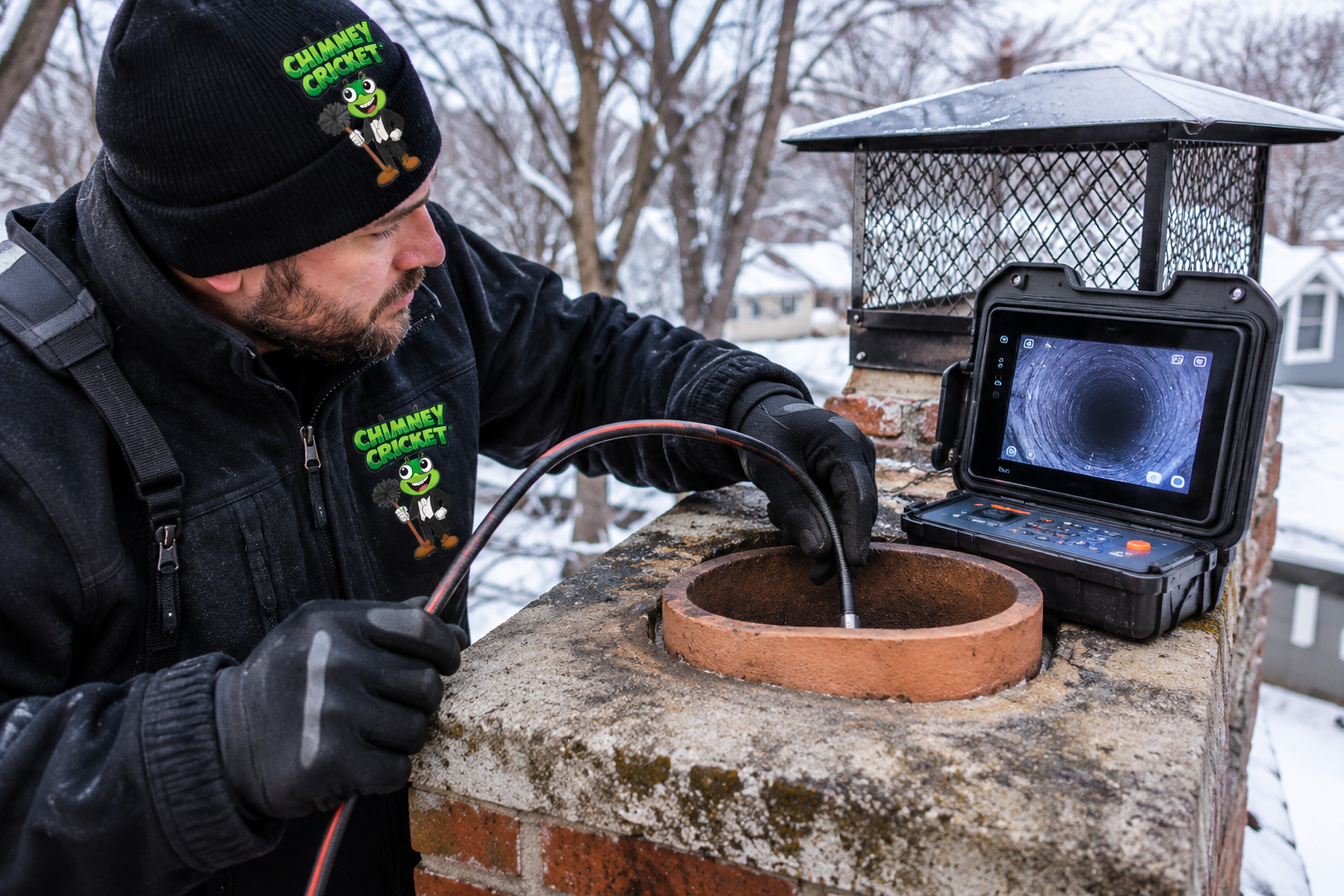
Why a Chimney Liner Inspection Minnesota Homes Need Is Vital Before Winter
Your chimney liner is the protective conduit running from the top of the firebox or appliance connection all the way to the chimney crown. It serves three critical safety and performance roles every time you light a fire or run a vented heating appliance:
- Heat containment: Keeps intense flue temperatures from transferring through masonry walls to nearby wood framing and drywall.
- Exhaust venting: Channels smoke, moisture vapor, and carbon monoxide safely outdoors while maintaining steady upward draft.
- Masonry protection: Shields interior brick and mortar from acidic combustion gases that otherwise eat away structural joints from the inside.
Scheduling a regular chimney liner inspection Minnesota wide is especially important because of our local climate. During a January cold snap, interior flue temperatures can jump by hundreds of degrees within minutes while subzero air chills the outer chimney stack.
That sharp temperature contrast creates thermal stress inside clay tiles. At the same time, snowmelt entering through minor crown or masonry gaps can freeze behind the liner, shifting tiles out of alignment.
The National Fire Protection Association (NFPA) establishes national chimney inspection standards under NFPA 211, recommending annual evaluations for all active chimneys, fireplaces, and vents. The Chimney Safety Institute of America (CSIA) likewise emphasizes that an intact, properly sized liner is essential for safe fireplace operation.
Common Types of Flue Liners Found in Twin Cities Homes
Different generations of homes across Minneapolis, Bloomington, and surrounding suburbs feature distinct liner materials. Knowing which type vents your fireplace or stove helps you understand how technicians evaluate it during a chimney liner inspection Minnesota homeowners book.
Clay Tile Flue Liners
Terracotta clay tiles are the most common liners in Twin Cities homes built during the mid-twentieth century. Masons stacked two-foot rectangular or round clay sections inside the brick chase and sealed the joints with refractory mortar.
Over decades of heating cycles, mortar between clay tiles can wash out, and individual tiles can crack from thermal shock or chimney fires. A thorough chimney liner inspection Minnesota technicians perform checks every tile joint from bottom to top for gaps or displaced sections.
Stainless Steel Chimney Liners
Flexible or rigid stainless steel liners are widely used when relining older masonry flues or connecting modern wood stoves and fireplace inserts. Quality stainless steel resists corrosion and accommodates slight bends in older chimney stacks.
Even durable metal liners require periodic evaluation. During a chimney liner inspection Minnesota specialists verify that top plates, tee connections, insulation wraps, and fasteners remain tight and free of rust or creosote blockage.
Cast-in-Place Masonry Liners
Some restored chimneys feature a seamless, poured cementitious liner molded directly inside the existing flue cavity. These liners strengthen older masonry stacks while creating a smooth internal passage.
Inspectors evaluate cast-in-place liners for hairline shrinkage cracks, moisture erosion near the chimney top, and proper clearance around the damper frame.
Seven Triggers That Call for a Chimney Liner Inspection Minnesota Homeowners Should Know
You do not need to wait for smoke to fill your living room before scheduling service. Any of the following seven situations is a clear reason to arrange a chimney liner inspection Minnesota professionals recommend.
1. More Than a Year Since Your Last Annual Check
Even if you only burn a few cords of seasoned hardwood each winter, annual evaluations catch gradual wear before it becomes hazardous. Pairing an annual chimney inspection with routine sweeping confirms that the liner stayed intact through the previous heating season.
2. Cracked, Spalling, or Flaking Clay Pieces in the Firebox
Finding reddish-brown terracotta shards or chunks of dried mortar on your hearth floor is a classic sign of liner breakdown. Those fragments fall down the flue when clay tiles split or joints crumble, making an immediate chimney liner inspection Minnesota homeowners should not postpone.
3. Buying or Selling a Home in the Minneapolis Metro
Real estate home inspectors check visible exteriors and accessible hearths, yet they rarely run video cameras inside the flue. Under NFPA 211 guidelines, transferring ownership of a property triggers a Level 2 evaluation, so booking a dedicated chimney liner inspection Minnesota homebuyers rely on prevents costly surprises after closing.
4. Switching Fuel Types or Installing a New Heating Appliance
Changing from an open wood-burning fireplace to a gas insert, pellet stove, or high-efficiency furnace alters exhaust temperatures and flue sizing requirements. An oversized or unlined flue lets exhaust cool too quickly, creating heavy condensation that damages masonry.
Before connecting any new appliance, schedule a chimney liner inspection Minnesota technicians can use to verify proper liner diameter and material compatibility.
5. After a Chimney Fire, Lightning Strike, or Severe Storm
A chimney fire—even a brief one you barely noticed—generates extreme heat that fractures clay tiles and warps metal components. Severe windstorms, hail, or nearby lightning strikes can also shift flue sections or dislodge top terminations.
Never relight a fireplace after a suspected chimney fire until a complete chimney liner inspection Minnesota specialists conduct confirms the flue is undamaged.
6. Smoke Odors, Poor Draft, or Carbon Monoxide Alarm Alerts
Persistent smoky odors, sluggish startup draft, or smoke spilling into the room often point to flue obstructions, collapsed tiles, or improper liner sizing. Worse, cracks in a shared or deteriorated liner can allow invisible gases to seep into living spaces.
According to the Environmental Protection Agency (EPA), carbon monoxide is an odorless, colorless gas that can cause serious illness or death when combustion vents leak indoors. If your CO alarm sounds or you notice unexplained draft trouble, stop using the fireplace and schedule a chimney liner inspection Minnesota technicians prioritize promptly.
7. Exterior Crown Cracks, Missing Cap, or Masonry Water Leaks
Exterior water entry and interior liner damage frequently go hand in hand. When rain and melted snow enter through chimney crown cracks or a damaged chimney cap, moisture saturates the space behind the liner.
Similarly, exterior freeze-thaw wear on winter chimney masonry often signals that internal flue joints are absorbing water as well.
Safe Ground-Level Checks vs. Professional Chimney Liner Inspection Minnesota Work
Homeowners can gather helpful observations before calling a service company without taking unnecessary risks. Keep your checks strictly at hearth level or from the yard:
- Look inside a cold, clean firebox with a flashlight: Check the visible throat area above the damper for obvious cracks or fallen tile chips.
- Watch the chimney top from the ground with binoculars: Note whether the flue tile protrudes cleanly above the crown or appears tilted or chipped.
- Test smoke and carbon monoxide alarms: Confirm every detector has fresh batteries and responds properly when tested.
- Note draft behavior: Pay attention to whether smoke rises smoothly up the flue or curls back into the room at startup.
Leave all elevated, internal, and structural procedures to trained technicians:
- Climbing ladders or walking on pitched, frost-covered roofs
- Leaning ladders against brick chimneys or flue extensions
- Reaching past the smoke shelf or inserting tools into the flue
- Operating internal video camera scanners
- Installing or repairing stainless steel or masonry liners
A flashlight from the firebox only illuminates the bottom few feet of the chimney. A professional chimney liner inspection Minnesota technicians carry out examines the entire length of the flue safely from bottom to top.
What Happens During a Professional Chimney Liner Inspection Minnesota Technicians Perform
Knowing what happens during an appointment helps you ask informed questions and understand the technician’s findings. Most residential evaluations follow a structured process aligned with NFPA 211 standards.
Level 1 Visual Flue Assessment
During a Level 1 check, the technician inspects readily accessible portions of the chimney exterior, interior firebox, damper assembly, and visible flue opening. If your system has been serviced regularly with no changes in use or symptoms, a Level 1 visit verifies basic structural soundness and clear passage.
Level 2 Video Camera Scanning
When symptoms appear, a home changes hands, or an appliance is upgraded, technicians perform a Level 2 chimney liner inspection Minnesota homes require for full visibility. The technician feeds a specialized high-resolution camera system through the entire flue passage.
This internal video scan captures close-up views of every mortar joint, offset bend, and tile wall. Camera scanning routinely uncovers hairline cracks, missing mortar between tiles, and hidden creosote buildup that cannot be seen from the hearth or roof.
Written Photo Report and Relining Recommendations
After completing the scan, a thorough technician reviews recorded photos or video clips with you and provides a written summary. If the liner is intact, you gain clear documentation for your home maintenance records.
If cracks, gaps, or severe corrosion appear, the technician explains your chimney relining and chimney repair options along with an itemized written estimate.
Risks of Delaying a Needed Chimney Liner Inspection Minnesota Wide
Postponing a needed chimney liner inspection Minnesota homeowners put off until mid-winter exposes the house to compounding safety and structural hazards.
Heat Transfer to Wood Framing
Intact masonry and a sound liner slow heat movement from the flue to surrounding wood framing. When tiles crack or mortar joints open, superheated gases escape directly against the outer brick wythe, raising temperatures near adjacent joists and subflooring.
Over repeated fires, sustained heat dries out nearby wood framing—a chemical change called pyrolysis—lowering the temperature at which framing can ignite.
Carbon Monoxide and Smoke Seepage
Gaps in a deteriorated liner give exhaust gases an alternate pathway through porous mortar joints into attics, wall cavities, or upper bedrooms. Addressing fireplace smoke problems and flue cracks early keeps combustion byproducts moving strictly out the top of the chimney.
Accelerated Creosote Accumulation
Smooth flue walls promote brisk upward draft that carries smoke particles out before they condense. Cracked, offset, or rough liner surfaces disrupt airflow and create pockets where thick, flammable creosote clings and builds up faster between chimney cleaning visits.
How to Prepare for Your November Chimney Liner Inspection Minnesota Appointment
November is peak preparation season across the Twin Cities as homeowners get fireplaces ready for Thanksgiving and subzero nights. Taking a few simple steps before your technician arrives helps the chimney liner inspection Minnesota specialists perform run smoothly:
- Let the fireplace cool completely for at least 24 hours. Technicians cannot safely inspect or run camera equipment inside a warm firebox or smoking flue.
- Clear a six-foot workspace around the hearth. Move rugs, firewood baskets, and delicate decor aside so technicians can lay protective drop cloths.
- Jot down recent symptoms and appliance history. Note when you last burned fires, any odors or smoke issues, and the age of your furnace or fireplace insert.
- Secure pets in a separate room. Keeping dogs and cats away from open doors and equipment cords keeps everyone safe during the visit.
- Confirm attic or basement cleanout access. Technicians often inspect where the chimney passes through framing or check the cleanout door at the base of the flue.
Choosing a Qualified Specialist for Chimney Liner Inspection Minnesota Service
Because a liner evaluation directly affects fire and carbon monoxide safety, selecting a qualified local company matters. Before booking a chimney liner inspection Minnesota providers offer, verify that the company carries proper liability insurance and employs trained technicians.
You can check vetted regional service providers through the Verified Chimney Pros and ask whether inspectors hold CSIA credentials. Look for a company that uses internal video cameras for Level 2 evaluations, provides clear photos of any defects, and explains repair options without high-pressure sales tactics.
Chimney Crickets is located in Bloomington, Minnesota, and serves homeowners across Bloomington, Minneapolis, and the Twin Cities metro area within roughly 35 miles. When you are ready to have your flue evaluated before winter, contact our Bloomington team to schedule a thorough assessment.
Our Services
Explore the full range of Chimney Crickets services for Minnesota homeowners:
🔍 Chimney Inspections — Start with a professional evaluation before any repair
🧱 Chimney Repointing — Restore deteriorated mortar joints in Minnesota masonry
👑 Chimney Crown Repair — Seal or rebuild a cracked or damaged chimney crown
🔩 Chimney Flashing Repair — Stop water entry at the roof-chimney junction
💧 Chimney Leak Repair — Trace and resolve active moisture entry
🛡️ Chimney Waterproofing — Protect repaired masonry from future moisture damage
🏗️ Full Masonry Repair — Comprehensive brick and mortar restoration
Serving Minnesota Homeowners
Chimney Crickets serves homeowners throughout Bloomington, Minneapolis, the South Metro and surrounding Minnesota communities.
Frequently Asked Questions
How often should I schedule a chimney liner inspection Minnesota homeowners need?
The National Fire Protection Association (NFPA) recommends an annual chimney inspection for all active fireplaces, wood stoves, and vented heating appliances. Booking your evaluation in fall ensures the flue is clear and intact before heavy winter heating begins.
What is the difference between a chimney cleaning and a chimney liner inspection?
Chimney cleaning removes soot and flammable creosote deposits from the flue walls, firebox, and smoke chamber. A chimney liner inspection evaluates the structural integrity of the clay, metal, or cast-in-place liner itself, often using a video camera to spot cracks and missing mortar joints.
Can a flashlight check from my fireplace replace a video camera flue inspection?
No, a flashlight from the firebox only illuminates the lower section of the flue near the damper. A professional video camera scan travels the entire height of the chimney to reveal mid-flue cracks, offset tiles, and hidden mortar gaps.
What are the most common signs of a cracked clay chimney liner?
Common signs include terracotta tile chips or dried mortar chunks falling into the firebox, smoky odors indoors, sluggish draft, and dark stains on walls near the chimney. Many cracked liners show no obvious exterior symptoms until a camera inspection is performed.
Is it safe to burn fires if my chimney liner has minor cracks?
No, even small cracks or missing mortar joints allow heat, sparks, and carbon monoxide to escape into the surrounding masonry structure. Stop using the fireplace until a qualified chimney technician evaluates the damage and recommends appropriate relining or repairs.
When does NFPA 211 require a Level 2 chimney liner inspection Minnesota buyers should request?
A Level 2 inspection—which includes a video camera scan of the flue—is recommended whenever a home is bought or sold, after a chimney fire or severe storm, or when changing fuel types or heating appliances.
Why do older Minneapolis and Bloomington chimneys often have clay liner damage?
Many mid-century Twin Cities homes feature clay tile liners that have endured decades of extreme winter temperature swings and freeze-thaw moisture cycles. Over time, thermal expansion cracks brittle tiles and erodes the mortar between sections.
How long does a residential chimney liner evaluation take?
A standard Level 1 or Level 2 evaluation typically takes 45 to 90 minutes, depending on chimney height, roof access, and whether sweeping is performed at the same time. The technician will also spend time reviewing photos and findings with you afterward.
What happens if a clay flue liner fails inspection?
When a clay liner has cracked tiles or open joints, technicians commonly recommend installing a continuous stainless steel liner or applying a cast-in-place masonry liner system. Relining restores a safe, sealed exhaust pathway without tearing down the entire brick chimney.
Does my gas fireplace or furnace also need a chimney liner check?
Yes, gas appliances produce moisture-rich exhaust that can corrode unlined masonry or poorly fitted metal vents. A liner inspection verifies that the vent is properly sized, free of blockages, and venting exhaust safely outdoors.
Can water leaks from my chimney crown damage the flue liner?
Yes, water entering through a cracked crown or missing chimney cap runs down behind the liner and saturates mortar joints. When that trapped moisture freezes in winter, it shifts and cracks clay flue tiles.
How should I prepare my fireplace before the technician arrives?
Avoid burning a fire for at least 24 hours so the firebox and flue are completely cool, and clear furniture or rugs within six feet of the hearth. Also ensure clear access to basement cleanout doors or attic spaces if the technician needs to check chimney clearances.
Will a chimney liner inspection leave soot or dust inside my living room?
Professional technicians use heavy drop cloths, protective runners, and HEPA-filtered vacuums to keep dust and soot contained at the hearth. Your living space should remain just as clean as it was before the visit.
Does homeowners insurance cover chimney liner replacement?
Standard policies generally exclude gradual wear, aging mortar, and routine maintenance issues. However, sudden damage caused by a documented chimney fire, lightning strike, or severe windstorm may be covered depending on your policy terms.
What should I look for when hiring a company for chimney liner inspection Minnesota service?
Choose an insured company with verified credentials through the Verified Chimney Professionals Directory and CSIA training. Confirm that they use internal video camera equipment for Level 2 checks and provide written reports with photos of their findings.