
Cold Chimney Draft Minnesota: Essential Homeowner Guide
Cold chimney draft Minnesota homeowners run into during November and winter happens because dense, freezing air inside an unused flue resists upward smoke flow. When you strike a match beneath a chilled chimney column, early smoke cools rapidly, loses buoyancy, and curls back into your living room instead of rising outdoors.
Understanding how cold chimney draft Minnesota properties develop works helps you start fires safely and recognize when a cold flue points to a deeper venting issue. This guide explains the physics behind chilled flues, why exterior Minnesota chimneys cool so fast, safe ways to warm the flue before lighting logs, and when to call a chimney specialist.
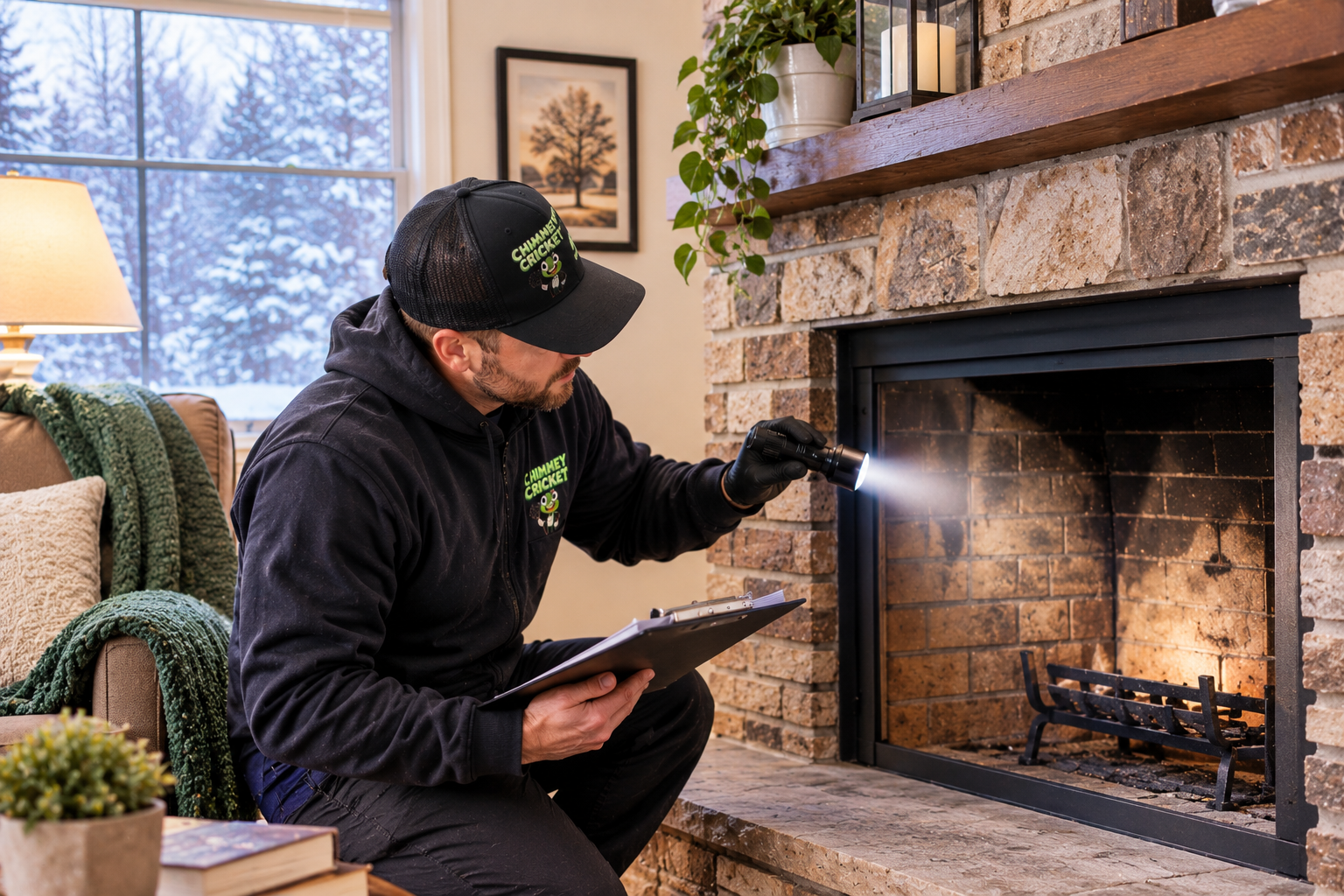
Why Cold Chimney Draft Minnesota Homes Experience Happens in Winter
Every wood-burning chimney relies on thermal buoyancy—the simple physical rule that warm air is lighter than cold air. When hot combustion gases rise up the flue, they create a gentle vacuum at the hearth that pulls fresh room air into the fire to feed the flames.
However, cold chimney draft Minnesota winters trigger disrupts that natural upward engine before a fire even gets started. When your fireplace sits idle for several days in freezing weather, heavy outdoor air sinks down the flue and forms a dense “cold air plug.”
Until you warm the flue column enough to push that heavy cold air upward, rising smoke from kindling hits a wall of resistance. Smoke cools against the icy liner walls, turns heavy, and spills beneath the fireplace lintel into your living room.
The National Fire Protection Association (NFPA) establishes chimney and fireplace safety standards under NFPA 211, emphasizing unobstructed flue passages and annual inspections. The Chimney Safety Institute of America (CSIA) likewise notes that flue temperature, chimney location, and indoor air pressure directly influence how reliably a chimney drafts.
Exterior vs. Interior Chimneys in Cold Chimney Draft Minnesota Conditions
Where your chimney sits in your house plays a major role in how cold the flue gets between fires. Across Minneapolis, Bloomington, and surrounding Twin Cities neighborhoods, two common chimney layouts behave very differently in subzero weather.
Why Exterior Masonry Chimneys Chill Faster in Twin Cities Winters
Many residential chimneys are built along an outside wall so the brick stack rises outdoors from ground level to roof peak. Because all four walls of an exterior chimney sit exposed to freezing wind and subzero temperatures, the masonry absorbs deep cold all winter long.
Once brick and clay flue tiles chill below freezing, lighting a small fire takes much longer to warm the flue walls. That constant heat loss makes cold chimney draft Minnesota exterior stacks experience noticeably more stubborn during startup than interior chimneys.
How Interior Chimneys Retain Residual Warmth
An interior chimney rises straight up through the heated center of the home before exiting near the roof ridge. Warmth from your living room, upstairs bedrooms, and attic surrounds most of the chimney structure.
Because the masonry stays closer to indoor room temperature, an interior flue resists severe cold air plugs and establishes steady upward pull much faster.
Cold Weather Impact on Bloomington and Minneapolis Brick Stacks
Older brick homes across Minneapolis and Bloomington often feature uninsulated clay tile liners inside exterior masonry chases. When northwest winds sweep across an exposed brick stack at 10°F, uninsulated clay tiles lose heat almost as fast as a fire produces it, prolonging cold chimney draft Minnesota homeowners notice on chilly evenings.
How a Cold Chimney Interacts With House Air Pressure and Moisture
Low flue temperature rarely acts alone. Two everyday home conditions—indoor air pressure imbalances and hidden chimney moisture—frequently combine with cold chimney draft Minnesota homes face to make startup smoke worse.
Cold Air Plugs Combined With Household Negative Pressure
Warm indoor air naturally rises toward upper ceilings and escapes through attic bypasses, creating slightly lower air pressure on your main floor or walkout basement. At the same time, running a kitchen range hood, bathroom fan, clothes dryer, or forced-air furnace pulls even more air out of the house.
When a heavy cold air plug blocks the flue, household negative pressure easily pulls outdoor air downward through the chimney. That downward current creates a noticeable icy breeze at the hearth and causes poor chimney draft whenever you try to light a fire.
Damp Flues, Condensation, and Freeze-Thaw Cooling
Water inside a chimney structure absorbs massive amounts of heat as it warms and evaporates. When rain or melted snow enters through chimney crown cracks or a damaged chimney cap, moisture saturates the masonry surrounding the liner.
Similarly, porous winter chimney masonry that absorbs snowmelt stays colder and damper than dry brick. Lighting a fire inside a damp, chilled flue forces the fire to spend its initial heat drying wet masonry rather than establishing brisk upward draft.
Safety and Creosote Risks of Cold Chimney Draft Minnesota Wide
Dealing with cold chimney draft Minnesota winters bring is about far more than avoiding smoky clothes or watery eyes. Sluggish airflow inside a cold flue creates three genuine safety and maintenance concerns for homeowners:
- Smoke and carbon monoxide spillage: When a cold air plug stalls exhaust flow, smoke and invisible combustion gases spill into your living space instead of venting outdoors.
- Accelerated creosote accumulation: Wood smoke carries unburned vapors and moisture; when those vapors hit icy flue walls, they condense rapidly into sticky, flammable creosote buildup.
- Freezing living room drafts: Between fires, a chilled flue with a worn damper continuously drops subzero air onto your living room floor and raises winter heating bills.
According to the Environmental Protection Agency (EPA), residential wood smoke contains fine particles and carbon monoxide that can harm indoor air quality when fireplaces smoke indoors. Warming the flue properly and burning dry seasoned wood keeps smoke moving upward cleanly.
Safe Hearth-Level Steps to Warm a Cold Flue Before Lighting a Fire
When your fireplace system is clean and structurally sound, simple hearth-level steps usually overcome cold chimney draft Minnesota evenings create. Follow this safe five-step startup sequence before lighting main firewood logs:
- Confirm the damper is 100 percent open: Shine a bright flashlight up into a cold firebox to verify the metal damper blade is swung completely clear of the throat; a sticky hinge or fireplace damper problems will stall draft immediately.
- Switch off exhaust fans and crack a nearby window half an inch: Turning off kitchen and bath fans while opening a living room window slightly relieves negative indoor pressure so air can enter the room easily.
- Warm the flue column safely for two to three minutes: Aim a warm hair dryer upward toward the open damper throat—or hold a lit, tightly rolled newspaper torch near the open throat—to push the cold air plug upward before lighting kindling.
- Build a top-down fire using dry, seasoned kindling: Place split dry hardwood logs on the grate bottom, medium sticks in the middle, and fine dry kindling on top so flames generate clean, high heat right beneath the throat immediately.
- Test nearby smoke and carbon monoxide alarms: Confirm every detector has working batteries before enjoying your fire.
Once strong upward draft is established and the fire burns briskly, you can usually close the cracked window while keeping exhaust fans off until the fire dies down.
Safe Observations vs. Professional Cold Chimney Draft Minnesota Work
Troubleshooting cold chimney draft Minnesota homes experience safely means keeping your feet firmly on the living room floor or ground level. Homeowners can safely check damper position with a flashlight, test whether cracking a window stops startup smoke, inspect firewood dryness, and view the exterior chimney stack from the yard using binoculars.
Leave all elevated, internal, and structural procedures to trained chimney technicians:
- Climbing ladders or stepping onto frost-covered, pitched roofs
- Leaning ladders against brick chimneys or flue extensions
- Reaching arms or head past the damper into the smoke chamber or flue
- Running internal video cameras to check liner joints and insulation
- Installing top-sealing dampers, flue liners, or draft-enhancing caps
Never use flammable liquids, gasoline, lighter fluid, or cardboard boxes to “blast” a cold air plug out of a chimney. Sudden flare-ups can ignite hidden creosote deposits or crack freezing clay flue tiles through extreme thermal shock.
Professional Upgrades That Fix Chronic Cold Chimney Draft Minnesota Issues
If warming the flue and cracking a window still leave your fireplace smoky, structural or equipment upgrades often provide lasting relief from cold chimney draft Minnesota winters cause. After a thorough evaluation, technicians commonly recommend one of these proven solutions.
Insulated Stainless Steel Flue Relining
When an oversized or uninsulated clay liner loses too much heat to subzero outdoor air, installing an insulated stainless steel liner transforms draft performance. The insulation wrap keeps flue temperatures warm from firebox to crown so smoke stays buoyant even on an exterior wall.
Pairing a video chimney liner inspection with professional chimney relining also seals any cracked tile joints that leak cooling air into the flue.
Top-Sealing Chimney Dampers to Keep Cold Air Out
Traditional cast-iron throat dampers sit near the bottom of the chimney, leaving the entire masonry column open to freezing air whenever the fireplace is idle. A top-sealing damper mounts on top of the flue tile with a silicone rubber gasket, sealing the entire flue column against subzero air, snow, and wind.
Because the flue stays warmer and drier between fires, top-sealing dampers dramatically reduce cold chimney draft Minnesota homeowners face during weekend startups.
Smoke Chamber Parging and Annual Flue Sweeping
Rough mortar ledges inside the smoke chamber slow rising smoke and trap cool air pockets right above the damper. Smoothing the smoke chamber with insulating refractory mortar—paired with annual chimney cleaning and chimney inspection visits—creates a smooth, unobstructed aerodynamic path up the chimney.
When to Call a Pro for Cold Chimney Draft Minnesota Concerns
Knowing when a cold flue is normal versus when it signals a blockage or venting defect keeps your family safe. Use these clear guidelines to decide when to schedule professional service:
- Stop burning and call promptly if smoke continues spilling into the room after warming the flue and cracking a window, a carbon monoxide alarm activates, or you suspect an animal nest or broken tile inside the flue.
- Schedule service within 30 days if freezing air pours down a closed hearth all winter, thick glassy creosote coats the throat, or exterior bricks show white mineral stains and flaking faces.
- Book an annual evaluation before regular winter fires if more than a year has passed since your last full chimney inspection and sweeping.
When selecting a chimney company, verify liability insurance and industry training. You can check regional service providers through the Verified Chimney Pros and ask whether technicians hold CSIA certification.
Chimney Crickets is located in Bloomington, Minnesota, and serves homeowners throughout Bloomington, Minneapolis, and the Twin Cities metro area within roughly 35 miles. When cold chimney draft Minnesota winters bring disrupts your fireplace, our team provides thorough evaluations and dependable chimney repair solutions.
Our Services
Explore the full range of Chimney Crickets services for Minnesota homeowners:
🔍 Chimney Inspections — Start with a professional evaluation before any repair
🧱 Chimney Repointing — Restore deteriorated mortar joints in Minnesota masonry
👑 Chimney Crown Repair — Seal or rebuild a cracked or damaged chimney crown
🔩 Chimney Flashing Repair — Stop water entry at the roof-chimney junction
💧 Chimney Leak Repair — Trace and resolve active moisture entry
🛡️ Chimney Waterproofing — Protect repaired masonry from future moisture damage
🏗️ Full Masonry Repair — Comprehensive brick and mortar restoration
Serving Minnesota Homeowners
Chimney Crickets serves homeowners throughout Bloomington, Minneapolis, the South Metro and surrounding Minnesota communities.
Frequently Asked Questions
Why does cold chimney draft Minnesota homeowners experience make fireplaces smoke at startup?
Dense, freezing air settles inside an unused chimney and creates a heavy cold air plug that blocks upward airflow. Until warm air from kindling, a newspaper torch, or a hair dryer pushes that cold air out of the flue, early smoke curls back into the living room.
How can I safely warm a cold chimney flue before lighting a fire?
First verify that the damper is completely open and crack a nearby window half an inch. Then point a warm hair dryer upward toward the open damper throat—or hold a lit, tightly rolled newspaper torch near the open throat—for two to three minutes to establish upward draft before lighting kindling.
Why do exterior chimneys in Minnesota struggle more with cold draft than interior chimneys?
Exterior masonry chimneys have all four walls exposed to subzero air and winter wind, causing the brick and flue liner to chill deeply between fires. Cold flue walls rapidly cool rising smoke, reducing its natural buoyancy and slowing upward suction.
Does cold chimney weather increase creosote buildup inside the flue?
Yes, when warm wood smoke hits icy clay or metal flue walls, combustion vapors condense quickly into sticky creosote deposits. Keeping the flue warm with dry seasoned wood, top-down fires, and insulated liners helps minimize creosote accumulation.
How does a top-sealing damper help prevent cold chimney draft Minnesota homes face?
Unlike traditional throat dampers at the bottom of the chimney, a top-sealing damper seals tightly at the very top of the flue tile with a silicone gasket. Blocking subzero air at the crown keeps the entire flue column warmer and drier between fires.
Should I ever use lighter fluid or cardboard to heat up a cold chimney quickly?
No, flammable liquids and large bursts of burning cardboard create sudden, uncontrolled flare-ups that can ignite creosote deposits or crack freezing clay tiles through thermal shock. Always warm a cold flue gradually using a hair dryer, rolled newspaper torch, and dry kindling.
Why does cold air pour down my chimney even when the fireplace is not in use?
Warm air rising toward upper floors of your house creates negative air pressure on lower levels, pulling outdoor air downward through the chimney flue. A warped or poorly sealing throat damper allows that icy downdraft to spill directly into your living room.
Can an insulated stainless steel liner improve draft in a cold exterior chimney?
Yes, wrapping a properly sized stainless steel liner in high-temperature insulation prevents subzero masonry walls from chilling exhaust gases. Warmer flue gases stay buoyant all the way to the chimney top, producing stronger, steadier draft.
When does cold chimney draft Minnesota trouble indicate a blockage rather than just cold air?
If warming the flue for several minutes and cracking a nearby window still leaves smoke spilling into the room, a physical restriction—such as creosote buildup, an animal nest, or a partially closed damper—may be blocking the passage. Extinguish the fire safely and schedule a professional inspection.
Is a top-down fire better for warming a cold fireplace flue?
Yes, placing larger split logs on the bottom and fine, dry kindling on top puts flames directly beneath the damper throat right away. That immediate upper heat warms the flue column faster while producing far less startup smoke.
Can damp brick or crown leaks make my chimney draft worse in winter?
Yes, moisture entering through crown cracks or porous mortar saturates the chimney structure and draws extra heat away from rising smoke. Keeping the chimney crown, cap, and exterior masonry watertight helps the flue warm up faster.
Do gas fireplaces also suffer from cold chimney draft issues?
Direct-vent gas fireplaces pull combustion air through a sealed pipe and are less sensitive to room pressure, though extreme cold can still affect pilot lights or vent terminations. Vented gas log sets inside open masonry fireplaces rely on natural chimney draft and require a fully open damper and clear flue.
How often should my chimney be inspected and cleaned in Minneapolis and Bloomington?
The National Fire Protection Association (NFPA) recommends an annual inspection for all active fireplaces and chimneys. Scheduling service in fall removes flammable creosote and verifies smooth damper and flue performance before subzero weather arrives.
Why does my basement fireplace have worse cold draft than my main-floor fireplace?
Lower-level and walkout basement fireplaces sit at the lowest pressure point of the house stack effect, where inward suction from upper floors is strongest. Overcoming both a cold flue plug and lower-level negative pressure usually requires cracking a basement window and priming the flue thoroughly.
What should I look for when hiring a professional for cold chimney draft Minnesota issues?
Verify liability insurance and credentials through resources like the Verified Chimney Professionals Directory and CSIA. Choose a company that inspects the full flue liner, damper, smoke chamber, and exterior clearances before recommending insulated liners or damper upgrades.