
Creosote Buildup Minnesota: Essential Guide to Safe Levels and Fire Risk
Creosote buildup Minnesota represents one of the most serious—yet most misunderstood—chimney safety risks facing homeowners. Many Minneapolis and Bloomington residents burn fires confidently, assuming minor creosote accumulation is normal and harmless. But creosote buildup Minnesota can escalate rapidly from safe to dangerous, and most homeowners don’t recognize the warning signs until a serious problem develops.
The critical question isn’t whether creosote buildup Minnesota will occur—it always does when you burn wood. The real question is: How much is safe, and when does it become dangerously flammable?
This comprehensive guide explains creosote buildup Minnesota from top to bottom. You’ll learn what creosote actually is, the three distinct stages homeowners need to recognize, why Minnesota’s climate accelerates accumulation, and exactly when to call professionals for urgent intervention. Understanding creosote buildup Minnesota could prevent a chimney fire that damages your home or threatens your family’s safety.
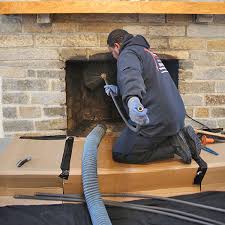
What Is Creosote Buildup Minnesota and Why It Matters
Creosote buildup Minnesota forms whenever wood burns. As wood smoke rises through your chimney, it cools and condenses. Unburned wood particles, resins, and tar compounds deposit on interior flue walls, creating a dark, sticky or crusty layer—this is creosote.
Creosote buildup Minnesota is inevitable with fireplace use. You cannot completely prevent it. However, you can control how quickly it accumulates, recognize when dangerous levels develop, and schedule professional cleaning before serious problems occur.
Why Creosote Buildup Minnesota Is Uniquely Dangerous
According to the National Fire Protection Association (NFPA) Standard 211, creosote buildup Minnesota is the leading cause of chimney fires in residential properties. Creosote is highly flammable. When temperatures inside your flue reach approximately 1,100°F, creosote ignites—creating intense fires that burn at extremely high temperatures.
Creosote buildup Minnesota also traps moisture, accelerating flue damage. Minnesota’s freeze-thaw cycles make this worse: water enters through damaged areas, freezes, expands 9%, and shatters masonry. Creosote deposits trap this water, multiplying damage.
Heavy creosote buildup Minnesota also restricts airflow, causing:
- Smoke backing up into your home
- Reduced heating efficiency
- Carbon monoxide exposure risk
- Poor fireplace performance
Understanding creosote buildup Minnesota helps you prevent these dangerous outcomes through timely professional cleaning and maintenance.
The Three Stages of Creosote Buildup Minnesota: Recognition and Risk
Professional chimney inspectors classify creosote buildup Minnesota into three distinct stages. Each stage has different fire risks, cleaning difficulty, and urgency for professional intervention. Learning to recognize these stages empowers you to make safe decisions about fireplace use.
Stage 1 Creosote Buildup Minnesota: Dry, Flaky, Manageable
What it looks like:
Stage 1 creosote buildup Minnesota appears as light brown or black flaky deposits on the interior flue walls. The texture resembles loose soot or ash. It brushes away easily with minimal pressure. In poor lighting, it may barely be visible. You might notice it when looking up into your chimney from the fireplace opening or from video inspection footage.
Fire risk assessment:
Stage 1 creosote buildup Minnesota presents low to moderate fire risk. This stage is not highly flammable under normal conditions. However, if ignited by extremely hot fires or sparks, Stage 1 creosote will burn and potentially accelerate to higher, more dangerous stages deeper in the flue.
How quickly it accumulates:
Stage 1 creosote buildup Minnesota typically develops over 8–12 weeks of regular fireplace use (3–4 fires per week). Light users burning 1–2 fires monthly may sustain Stage 1 indefinitely without escalation.
Professional cleaning requirements:
Stage 1 creosote buildup Minnesota is easy to remove. Standard chimney brushes eliminate deposits in one or two passes. Professional cleaning takes approximately 45 minutes to 1 hour for most fireplaces. Cost ranges $150–250 in the Minneapolis–Bloomington area.
What you should do:
If inspection reveals Stage 1 creosote buildup Minnesota only, you can confidently continue using your fireplace with scheduled annual professional cleaning. This stage does not require emergency intervention.
Stage 2 Creosote Buildup Minnesota: Sticky, Tar-Like, Concerning
What it looks like:
Stage 2 creosote buildup Minnesota appears as thick, glossy, brown-black deposits resembling soft tar or melted caramel. The texture is sticky and tacky to the touch. It adheres firmly to flue walls in substantial layers. In some cases, Stage 2 deposits may feel slightly moist or appear to drip slowly. The buildup is clearly visible and unmistakable.
Fire risk assessment:
Stage 2 creosote buildup Minnesota presents high fire risk. This stage is genuinely flammable and will burn intensely if ignited. Fires burning in Stage 2 deposits burn hotter, longer, and more dangerously than Stage 1 fires. Stage 2 creosote can rapidly advance to Stage 3 (extreme danger) when exposed to high heat.
How quickly it accumulates:
Stage 2 creosote buildup Minnesota develops within 6–8 weeks if Stage 1 isn’t professionally cleaned. Heavy users (4+ fires weekly) burning wet or unseasoned wood can progress to Stage 2 within just 4 weeks. Poor chimney draft accelerates progression dramatically.
Professional cleaning requirements:
Stage 2 creosote buildup Minnesota requires specialized cleaning techniques. Standard brushes are insufficient. Professionals must use specialized rods, scrapers, and sometimes chemical treatments to break down sticky deposits. Professional cleaning takes 1.5–2 hours. Cost ranges $250–400 in the Minneapolis–Bloomington area—significantly more than Stage 1 cleaning.
What you should do:
If inspection reveals Stage 2 creosote buildup Minnesota, schedule professional cleaning immediately. Do not delay. Within 2–4 weeks maximum is appropriate. This stage requires urgent attention but isn’t yet a true emergency requiring same-day service.
Stage 3 Creosote Buildup Minnesota: Hard, Glazed, Emergency
What it looks like:
Stage 3 creosote buildup Minnesota appears as a shiny, hard, glass-like coating on flue walls. The color is extremely dark—nearly black. The surface is extremely adherent and cannot be brushed away. The deposits show layered buildup, sometimes with visible cracks from thermal stress. Thickness can reach 1/4 inch or more. This is the most visually alarming stage.
Fire risk assessment:
Stage 3 creosote buildup Minnesota presents extreme fire risk. This stage is highly flammable and will burn with intense heat if ignited. Chimney fires in Stage 3 deposits burn at temperatures exceeding 2,000°F, causing severe chimney and structural home damage. Stage 3 fires are the leading cause of residential chimney fires resulting in property loss and insurance claims. This stage is genuinely dangerous.
How quickly it accumulates:
Stage 3 creosote buildup Minnesota develops when Stage 2 is left unaddressed for weeks or months. It can also develop rapidly—within 4–6 weeks—if you experience a chimney fire or burn extremely heavy loads of wet wood. Some heavy users might progress from Stage 1 to Stage 3 within a single intense heating season if they burn continuously.
Professional cleaning requirements:
Stage 3 creosote buildup Minnesota requires intensive professional intervention. Standard cleaning equipment is insufficient. Professionals must use specialized mechanical equipment, chemical treatments to break down glaze, and sometimes multiple cleaning visits. Professional cleaning takes 2–4+ hours. Cost ranges $400–750+ in the Minneapolis–Bloomington area. This is the most expensive chimney service.
What you should do:
If inspection reveals Stage 3 creosote buildup Minnesota, this is an emergency. Schedule professional cleaning within 24–48 hours. Do not use your fireplace until cleaned. Do not delay waiting for convenient scheduling. Stage 3 represents genuine fire hazard requiring immediate professional remediation.
Why Minnesota’s Climate Accelerates Creosote Buildup Minnesota
Minnesota homeowners face unique creosote buildup Minnesota challenges because of specific climate factors and seasonal patterns.
Extended Heating Season Creates Extended Accumulation
Minnesota’s heating season typically runs November through March—approximately 5 months. This extended period means homeowners burn for longer durations compared to warmer climates with 2–3 month seasons. Longer burning period equals more creosote buildup Minnesota. Homeowners might experience 50% more creosote accumulation simply due to Minnesota’s climate.
Freeze-Thaw Cycles Damage Flues and Trap Creosote
Minnesota experiences 50–100+ freeze-thaw cycles annually as temperatures cross 32°F repeatedly. Each cycle causes microscopic chimney damage, creating rough surfaces that trap creosote more efficiently. Water entering through damaged flue areas during thaw cycles freezes when temperatures drop, expanding 9% and shattering masonry. Creosote buildup Minnesota deposits trap this water, multiplying damage exponentially.
Extreme Cold Temperatures Promote Condensation
Minnesota’s extreme cold—regularly dropping to -10°F or below—means chimney flues cool rapidly after fires end. Cold flues promote creosote condensation. Homeowners burning fires during Minnesota’s coldest periods create ideal conditions for Stage 2 creosote formation rapidly.
Many Minnesota Homeowners Burn Wet Wood
Many Minneapolis and Bloomington residents burn wood that isn’t properly seasoned (dried for 6+ months). Wet or unseasoned wood has moisture content exceeding 50%, compared to properly dried wood at 15–20%. Wet wood creates excessive smoke and heavy creosote. Winter-burned wood stored outdoors is often damp, promoting heavy creosote buildup Minnesota.
Older Minnesota Homes Have Weaker Chimney Draft
Minneapolis and Bloomington have many older homes with chimneys built before modern draft standards. These chimneys have weak draft, promoting creosote accumulation. According to the Chimney Safety Institute of America (CSIA), poor draft is a leading cause of excessive creosote buildup Minnesota.
These Minnesota-specific factors combine, creating conditions where creosote buildup Minnesota occurs faster than national averages suggest. Minnesota homeowners should schedule professional assessment more frequently than standard guidance recommends.
Recognizing Warning Signs: When Creosote Buildup Minnesota Is Dangerous
Beyond the three stages, specific warning signs indicate creosote buildup Minnesota has reached dangerous levels requiring urgent professional attention.
Visible Creosote Dripping or Accumulating
If you see creosote dripping from your chimney cap, visible on exterior walls, or accumulating above the fireplace opening, creosote buildup Minnesota has reached Stage 2–3 levels. This is a clear danger signal.
Strong Tar-Like Odor Near Fireplace
A heavy, acrid, tar-like smell inside your home—especially near the fireplace—indicates Stage 2 or 3 creosote buildup Minnesota. The smell occurs because creosote volatilizes (releases gases) as temperatures fluctuate. This odor is a warning sign requiring professional assessment within 2–3 weeks.
Smoke Backing Up Into Your Home
If smoke enters your living space instead of venting up the chimney, creosote buildup Minnesota may be blocking airflow. Poor draft combined with creosote smell indicates urgent professional intervention is needed within 1 week.
Visible Black, Tar-Like Deposits in Fireplace
If you can see glossy, tar-like deposits on interior fireplace walls or your damper, Stage 2–3 creosote buildup Minnesota is definitely present inside your flue. Professional cleaning is needed within 2–3 weeks.
Recent Chimney Fire or Burning Smell
If you’ve experienced a chimney fire or smell burning (beyond normal wood smoke) while your fireplace operates, creosote may be igniting. This requires professional inspection within 24 hours. Do not use your fireplace again until assessed by professionals.
Extended Time Since Last Professional Inspection
If more than 1 year has passed since your last professional inspection, creosote buildup Minnesota status is unknown. Schedule assessment in fall before heating season begins.
How Much Creosote Buildup Minnesota Requires Professional Cleaning?
The critical question: At what point does creosote buildup Minnesota require professional cleaning?
Professional Standards for Cleaning Frequency
The NFPA Standard 211 recommends professional chimney cleaning when creosote buildup Minnesota exceeds 1/8 inch thickness. This measurement is roughly equivalent to:
- Deposits clearly visible to the naked eye
- Buildup that doesn’t easily brush away
- Black or brown coloration throughout the flue
- Thickness approaching Stage 2 appearance
Minnesota Homeowner Assessment Guide
You cannot measure creosote thickness from ground level, but you can recognize escalating danger levels:
Safe Level (No Immediate Cleaning Needed):
- Barely visible light coating inside damper
- No noticeable odor when fireplace isn’t in use
- No visible deposits on exterior chimney
- Normal fireplace draft and performance
- No smoke backup into home
Concerning Level (Schedule Cleaning Within 2–4 Weeks):
- Visible brown or black coating inside fireplace
- Slight creosote odor near fireplace area
- Deposits visible on exterior chimney
- Slightly reduced draft sensation
- Minor smoke backup
Emergency Level (Schedule Cleaning Immediately):
- Thick, unmistakable creosote deposits
- Strong tar or burning smell
- Visible dripping or heavy accumulation
- Noticeably poor draft or significant smoke backup
- Any history of chimney fire
- More than 1 year since last professional cleaning
Professional Video Inspection: The Gold Standard
The most reliable method for assessing creosote buildup Minnesota is professional video inspection. CSIA-certified inspectors use camera equipment to see exactly what’s inside your flue, measure buildup precisely, and recommend specific cleaning timing.
Using the Verified Chimney Professionals Directory, you can locate CSIA-certified inspectors in Minneapolis and Bloomington who perform video assessments and provide definitive creosote buildup Minnesota recommendations.
Creosote Buildup Minnesota and Chimney Fire Risk: Direct Connection
Creosote buildup Minnesota is the primary fuel for chimney fires. Understanding this connection is essential for homeowner safety.
How Chimney Fires Start from Creosote Buildup Minnesota
A chimney fire occurs when creosote deposits ignite. This happens when:
- Creosote reaches ignition temperature (approximately 1,100°F)
- A particularly hot fire burns with flames that rise high into flue
- Ignition source (sparks, hot gases, ash) contacts Stage 2–3 deposits
- Existing flue damage creates hot spots that ignite creosote
Stage 1 creosote buildup Minnesota rarely ignites spontaneously. Stage 2 has moderate ignition risk. Stage 3 is highly prone to ignition from normal fireplace operation.
Emergency Signs of Chimney Fire
If you experience these signs, evacuate immediately and call 911:
- Loud roaring, crackling, or rushing sound from chimney (often compared to freight train)
- Visible flames or smoke exiting chimney cap
- Excessive heat from fireplace area or nearby walls
- Strong burning smell inside home
- Black smoke pouring from chimney
Do not attempt to extinguish chimney fires yourself. They burn too hot and require professional fire department response.
Prevention Through Creosote Buildup Minnesota Management
The best chimney fire prevention is preventing creosote from reaching dangerous levels:
- Annual professional cleaning for regular fireplace users
- Using only seasoned, dry wood (moisture content below 20%)
- Burning efficient, hot fires (not smoldering)
- Professional inspection before heavy use season begins
- Prompt cleaning when Stage 2 creosote is detected
- Addressing chimney draft problems immediately
Minnesota fire departments respond to 25–30 chimney fires annually across the state, primarily caused by creosote buildup Minnesota left unaddressed.
Professional Creosote Buildup Minnesota Removal: What to Expect
If inspection reveals creosote buildup Minnesota requiring cleaning, understanding the professional process helps you plan and budget appropriately.
Professional Assessment Process
A CSIA-certified professional will:
- Perform video inspection to see flue condition and creosote stage
- Identify any flue damage or structural deterioration
- Measure creosote thickness and assess fire risk
- Determine which cleaning method is appropriate
- Provide written assessment, photos, and cost estimate
- Recommend next service timeline based on findings
Cleaning Methods by Creosote Buildup Minnesota Stage
Stage 1 Cleaning:
- Standard mechanical brush cleaning
- Duration: 45 minutes to 1 hour
- Cost: $150–250 (Minneapolis–Bloomington)
- Result: Complete removal, return to clean baseline
Stage 2 Cleaning:
- Mechanical removal with specialized rods and scrapers
- May include chemical treatment to soften deposits
- Duration: 1.5–2 hours
- Cost: $250–400
- Result: Substantial removal; sometimes requires follow-up
Stage 3 Cleaning:
- Intensive mechanical removal with specialized equipment
- Chemical treatments to break down hardened glaze
- Possible multiple visits required
- Duration: 2–4+ hours
- Cost: $400–750+
- Result: Complete removal; most expensive service
After Professional Cleaning
Your professional will provide:
- Before/after photos showing creosote removed
- Written findings and recommendations
- Guidance on preventing future buildup
- Clear next inspection/cleaning date based on your usage
- Answers to all your questions about chimney safety
Prevention Strategies: Minimizing Creosote Buildup Minnesota
Reducing creosote buildup Minnesota protects your chimney and extends intervals between professional cleanings.
Strategy 1: Burn Only Seasoned Wood
Seasoned wood (dried 6+ months) has moisture content below 20%. It burns efficiently, creating minimal smoke and creosote. Unseasoned wood with 50%+ moisture creates 3–5x more creosote.
- Store firewood in covered areas
- Stack wood off ground for air circulation
- Let fresh-cut wood dry full season before burning
- Buy from reputable firewood suppliers
- Test moisture with inexpensive moisture meter
Strategy 2: Burn Hot, Efficient Fires
Small, smoldering fires create more creosote than hot, well-stoked burns. Burn fires hot enough that flames rise 6–12 inches above logs.
- Use dry kindling and starter wood
- Add logs gradually to build temperature
- Never smother fires down to barely-glowing embers
- Allow adequate airflow around logs
- Open fireplace damper fully before lighting
Strategy 3: Maintain Proper Chimney Draft
Poor draft promotes creosote buildup Minnesota. Ensure your fireplace has adequate draft:
- Open damper completely before lighting fires
- Don’t use fireplace if damper sticks or won’t fully open
- Check exterior for blockages (animal nests, leaves, debris)
- Ensure fireplace isn’t depressurized by exhaust fans
- Professional assessment can identify draft problems
Strategy 4: Schedule Annual Professional Inspection
Regular professional service prevents creosote buildup Minnesota from escalating:
- Annual cleaning for heavy users (3+ fires weekly)
- Cleaning every 18–24 months for moderate users
- Professional video inspection every year regardless
- Document all cleaning and inspection dates
- Follow professional recommendations for timing
Strategy 5: Consider Modern Fireplace Efficiency
EPA-certified wood stoves and fireplace inserts burn more efficiently than traditional open fireplaces, creating 30–50% less creosote.
When to Call Chimney Crickets: Professional Assessment for Creosote Buildup Minnesota
Knowing when to call professionals ensures you address creosote buildup Minnesota safely and promptly.
Schedule Professional Assessment When:
- You haven’t had inspection in more than 1 year
- You’re seeing visible creosote deposits in fireplace
- You smell strong creosote odor near fireplace area
- You’ve experienced smoke backup or draft problems
- You burn fires regularly (3+ weekly) during season
- You’re planning heavy fireplace use this winter
- You’ve noticed any creosote dripping from cap
- You want professional confirmation of safety status
Schedule Immediate Professional Service When:
- You suspect or experienced a chimney fire
- Creosote is visibly dripping from exterior chimney
- You smell intense burning or strong creosote odor
- You hear roaring, crackling, or rushing from chimney
- You see thick, tar-like creosote clearly visible
- Smoke is backing into your home noticeably
- More than 18 months since last professional cleaning
Chimney Crickets provides professional creosote buildup Minnesota assessment, cleaning, and fire safety guidance throughout Minneapolis, Bloomington, and the Twin Cities metro area.
Our Services
Explore the full range of Chimney Crickets services for Minnesota homeowners:
🔍 Chimney Inspections — Start with a professional evaluation before any repair
🧱 Chimney Repointing — Restore deteriorated mortar joints in Minnesota masonry
👑 Chimney Crown Repair — Seal or rebuild a cracked or damaged chimney crown
🔩 Chimney Flashing Repair — Stop water entry at the roof-chimney junction
💧 Chimney Leak Repair — Trace and resolve active moisture entry
🛡️ Chimney Waterproofing — Protect repaired masonry from future moisture damage
🏗️ Full Masonry Repair — Comprehensive brick and mortar restoration
Serving Minnesota Homeowners
Chimney Crickets serves homeowners throughout Bloomington, Minneapolis, the South Metro and surrounding Minnesota communities.
Frequently Asked Questions
What causes creosote buildup Minnesota faster than other states?
Minnesota’s extended heating season (5+ months), extreme cold temperatures that cool chimney flues, frequent freeze-thaw cycles that damage flues, and many homeowners burning unseasoned wood all accelerate creosote buildup Minnesota compared to warmer climates.
Can I clean creosote buildup Minnesota myself?
No. Chimney cleaning is extremely dangerous and requires specialized equipment, training, and certification. Professionals are insured and equipped with proper safety gear. DIY attempts damage chimneys and create serious hazards.
How often should I have professional inspection for creosote buildup Minnesota?
Annual inspection is recommended by NFPA standards. Video inspection specifically shows creosote buildup Minnesota stage and accumulation rates. Light users might inspect every 2 years, but annual is safest.
Does creosote buildup Minnesota smell bad?
Stage 1 has minimal smell. Stage 2–3 creosote buildup Minnesota creates strong, acrid tar-like odor—especially when temperatures fluctuate or fireplace is used. This smell indicates urgent professional assessment needed.
Can burning treated wood increase creosote buildup Minnesota?
Yes significantly. Treated, painted, or stained wood creates toxic smoke and excessive creosote. Burn only untreated, seasoned firewood. Never burn plywood, driftwood, or construction debris.
What temperature does creosote buildup Minnesota ignite at?
Creosote ignites at approximately 1,100°F. Stage 2–3 deposits are much more prone to ignition than Stage 1. Extremely hot fires can reach this temperature, igniting creosote and starting chimney fires.
Is some creosote buildup Minnesota normal?
Yes, light Stage 1 creosote is normal after fireplace use. However, any creosote that’s sticky, won’t brush away easily, or shows brown-black coloration indicates professional cleaning is needed soon.
How much does professional cleaning cost for creosote buildup Minnesota?
Stage 1: $150–250. Stage 2: $250–400. Stage 3: $400–750+. Video inspection costs $100–200. Early Stage 1 cleaning saves 50–75% compared to delaying until Stage 3.
Can chemical treatments prevent creosote buildup Minnesota?
Chemical treatments can reduce future buildup slightly and make cleaning easier, but nothing truly prevents creosote formation when you burn wood. Professional annual cleaning remains essential.
What's the difference between inspection and cleaning for creosote buildup Minnesota?
Inspection assesses condition without removal. Cleaning removes deposits. Video inspection costs $100–200; cleaning costs $150–750+ depending on stage. Many professionals bundle both services.
How quickly does creosote buildup Minnesota reach dangerous levels?
Heavy users (4+ fires weekly) can reach Stage 2 within 4–6 weeks, especially burning unseasoned wood. Moderate users typically reach Stage 1–2 by mid-winter. Timeline depends heavily on wood moisture and burning practices.
What should I do if I suspect a chimney fire from creosote buildup Minnesota?
Evacuate immediately and call 911. Do not attempt extinguishing. Professional assessment and cleaning are required before fireplace can be used again.
Can water damage speed up creosote buildup Minnesota?
Yes. Water entering through damaged flues creates rough surfaces that trap creosote more efficiently. Freeze-thaw damage from Minnesota’s climate worsens this effect significantly.
How does freeze-thaw damage relate to creosote buildup Minnesota?
Minnesota’s 50–100+ annual freeze-thaw cycles damage flue surfaces, creating rough interior walls that trap creosote. Water intrusion from freeze-thaw also speeds creosote condensation. The two problems compound each other.
Where can I find certified professionals to assess creosote buildup Minnesota?
Search the Verified Chimney Professionals Directory for CSIA-certified inspectors in Minneapolis–Bloomington. Chimney Crickets provides certified, experienced professional assessment throughout the Twin Cities metro.