
Fireplace Smoke Problems Minnesota: Essential Guide to Backdraft Solutions
Your fireplace should draw smoke safely up and out through your chimney—not back into your living room. Yet many Minneapolis and Bloomington homeowners light fires only to watch smoke spill into their homes, filling rooms with hazardous fumes. Fireplace smoke problems Minnesota are frustratingly common, but most homeowners don’t understand what’s causing the issue or whether it’s dangerous.
The technical term is “backdraft”—when smoke reverses direction and enters your home instead of venting upward. Fireplace smoke problems Minnesota have multiple causes, ranging from simple fixes you might understand to complex structural issues requiring professional assessment. Understanding these causes helps you recognize danger, take appropriate action, and know when to call professionals.
This comprehensive guide explains what causes fireplace smoke problems Minnesota, why they matter for your family’s safety, and exactly what you should do to solve them. Whether you’re experiencing occasional smoke or consistent backup, this information will help you address the issue confidently.
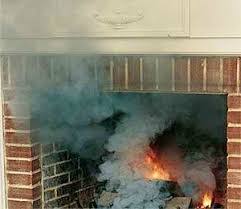
Why Fireplace Smoke Problems Minnesota Matter: Health and Safety
Fireplace smoke problems Minnesota aren’t just uncomfortable—they create genuine health and safety risks for your family.
Understanding the Smoke Composition
When wood burns, it produces smoke containing multiple hazardous compounds:
- Carbon monoxide (CO)—colorless, odorless toxic gas
- Nitrogen dioxide—causes respiratory irritation
- Particulate matter—damages lungs
- Creosote vapors—flammable, irritating compounds
- Other volatile organic compounds
Fireplace smoke problems Minnesota mean these toxins enter your living space instead of venting safely outdoors. Even brief exposure can affect people with respiratory conditions, children, and elderly family members more severely.
Carbon Monoxide Risk
The most serious concern from fireplace smoke problems Minnesota is carbon monoxide (CO) poisoning. CO is produced when wood burns incompletely—exactly the situation that causes smoke backup. According to the U.S. Environmental Protection Agency (EPA), carbon monoxide exposure causes:
- Headaches and dizziness
- Nausea and confusion
- Loss of consciousness
- Death in extreme cases
Fireplace smoke problems Minnesota that allow CO into your home create a silent, invisible health threat your family might not recognize immediately.
Why Minnesota’s Climate Compounds Fireplace Smoke Problems
Minnesota’s extreme cold and heating patterns intensify fireplace smoke problems Minnesota:
Negative house pressure: Minnesota homes are tightly sealed against winter cold, creating negative interior pressure. This pressure difference can pull smoke down the chimney instead of pushing it up—directly causing fireplace smoke problems Minnesota.
Temperature inversions: Cold exterior temperatures create temperature gradients that trap smoke in flues, preventing proper venting. Fireplace smoke problems Minnesota are most common during Minnesota’s coldest months (December–February).
Humidity changes: Minnesota’s dry winter air combined with moisture from wood burning creates draft problems. Fireplace smoke problems Minnesota occur when humidity affects chimney temperature differential.
Extended heating season: Minnesota’s long heating season (November–March) means extended fireplace use, providing more opportunities for fireplace smoke problems Minnesota to develop.
Understanding these Minnesota-specific factors helps you recognize that fireplace smoke problems Minnesota aren’t random—they’re often caused by predictable seasonal conditions.
The Primary Causes of Fireplace Smoke Problems Minnesota
Fireplace smoke problems Minnesota result from seven main causes. Understanding these helps you identify which might be happening in your home.
Cause 1: Damper Problems (Most Common)
Your fireplace damper is the metal plate that opens and closes to control airflow. When working properly, the damper opens to allow smoke to vent up the chimney. Many homeowners experience fireplace smoke problems Minnesota because of damper issues.
Problems that cause fireplace smoke problems Minnesota:
- Damper won’t open fully—restricting airflow
- Damper is stuck closed—completely blocking venting
- Damper is warped or damaged—not sealing properly
- Damper rope is broken—can’t be opened
- Damper accumulates debris—restricts opening
What you can observe:
Before using your fireplace, look up into the firebox (if safe). You should see the damper opening clearly above the firebox opening. If you see metal blocking the opening or can’t open the damper, this is likely your fireplace smoke problems Minnesota cause.
What professionals must assess:
Determining if damper damage can be repaired or requires replacement requires professional evaluation. Never attempt to force a stuck damper—you could cause injury or damage.
Cause 2: Blocked or Obstructed Chimney Flue
Fireplace smoke problems Minnesota often result from blockages inside your chimney flue. Common blockages include:
- Creosote buildup restricting airflow
- Animal nests or debris inside flue
- Leaves and twigs accumulated in chimney
- Missing chimney cap (allows debris entry)
- Deteriorated flue liner pieces
- Ice dam formation during Minnesota’s cold season
What you can observe:
If you haven’t had your chimney professionally inspected in over a year, blockage is possible. Visible debris around your chimney exterior or evidence of animal activity suggests blockage inside.
What professionals must assess:
Video inspection is the gold standard for identifying blockages. CSIA-certified inspectors use cameras to see exactly what’s obstructing your flue. Professional cleaning removes blockages safely.
Cause 3: Inadequate Chimney Height or Sizing
Fireplace smoke problems Minnesota sometimes result from chimney construction problems. The chimney might be:
- Too short relative to house height
- Incorrectly sized for your fireplace
- Installed at wrong angle or pitch
- Lacking proper clearance from roof
According to the National Fire Protection Association (NFPA) Standard 211, chimneys must extend at least 3 feet above roofline and 2 feet above any structure within 10 feet. Chimneys that don’t meet these requirements create fireplace smoke problems Minnesota.
What you can observe:
You can see your chimney height from outside. Compare it to nearby homes’ chimneys. However, determining if sizing meets NFPA standards requires professional assessment.
What professionals must assess:
Chimney height and sizing issues require professional evaluation. Corrections might involve chimney extension or reconstruction—significant projects requiring expert guidance.
Cause 4: Poor Chimney Draft (Negative Pressure)
Draft is the upward movement of air through your chimney. Fireplace smoke problems Minnesota occur when draft is weak or negative (pulling downward instead of upward).
Factors that reduce draft and cause fireplace smoke problems Minnesota:
- Inadequate outside air supply to fireplace
- House is too tightly sealed (especially in Minnesota)
- Furnace, exhaust fans, or range hoods create negative pressure
- Cold exterior temperatures prevent warm smoke from rising
- Chimney interior temperature too cold
This is particularly common in Minnesota homes, which are intentionally sealed tightly against winter cold. The sealing that keeps heat in and cold out can paradoxically create fireplace smoke problems Minnesota by preventing adequate air supply.
What you can observe:
If smoke backs up immediately when you light a fire, draft problems are likely. If smoke backs up after the fire burns for a while, other causes might be involved.
What professionals must assess:
Draft testing requires specialized equipment. Professionals can measure draft pressure and identify specific causes. Solutions might include opening a nearby window slightly, installing an outside air supply, or addressing damper issues.
Cause 5: Flue Damage or Deterioration
Minnesota’s freeze-thaw cycles cause chimney damage that creates fireplace smoke problems Minnesota. Damaged flue liners or cracks allow air leakage, affecting draft.
Damage that causes fireplace smoke problems Minnesota:
- Cracked or spalling flue liner
- Missing flue liner sections
- Separation between liner and chimney wall
- Water intrusion causing deterioration
- Mortar joint deterioration
Minnesota’s 50–100+ annual freeze-thaw cycles accelerate this damage. Water enters cracks, freezes, expands 9%, and damages masonry and flue liners further.
What you can observe:
You cannot safely inspect flue liner damage from ground level. However, you might notice water stains near your chimney, evidence of water damage inside your home, or visible exterior chimney cracks.
What professionals must assess:
Video inspection reveals flue liner damage definitively. Damaged liners might need relining—a professional repair process. Professional assessment is essential.
Cause 6: Inadequate Outside Air Supply
Modern Minnesota homes are sealed efficiently against winter weather. This sealing, while energy-efficient, can create fireplace smoke problems Minnesota by limiting outside air available to feed the fire.
Fireplaces require enormous quantities of air—a typical fireplace uses 200–400 cubic feet of air per minute. In a sealed home, this air demand can create negative pressure, pulling smoke back down the chimney and causing fireplace smoke problems Minnesota.
What you can observe:
If you notice smoke backs up worse when other fans (bathroom, kitchen, furnace) are running, inadequate outside air is likely. Opening a nearby window (even slightly) that stops smoke backup indicates this problem.
What professionals can recommend:
Solutions might include opening a window when using the fireplace, installing a fresh air intake near the fireplace, or sealing your home slightly less tightly. Professional guidance depends on your specific situation.
Cause 7: Creosote Buildup Restricting Flow
Heavy creosote accumulation reduces the effective flue diameter, restricting airflow and causing fireplace smoke problems Minnesota. This is particularly concerning because creosote is flammable—accumulation creates both smoke problems and fire risk.
Fireplace smoke problems Minnesota from creosote buildup typically indicate:
- Extended time since last professional cleaning
- Burning unseasoned or wet wood
- Consistent heavy fireplace use
- Poor draft conditions allowing creosote to accumulate
What you can observe:
You cannot see creosote inside your flue from ground level. However, if you haven’t had professional cleaning in over a year, creosote accumulation is likely.
What professionals must assess:
Video inspection reveals exact creosote stage and thickness. Professional cleaning removes creosote and solves the fireplace smoke problems Minnesota it’s causing.
Recognizing When Fireplace Smoke Problems Minnesota Require Immediate Action
Certain situations with fireplace smoke problems Minnesota demand urgent professional attention—don’t wait.
Emergency Situations:
Continuous heavy smoke backup: If smoke pours into your home despite opening damper, stop using the fireplace immediately. This indicates serious obstruction or draft failure.
Smoke combined with burning smell: This suggests creosote or other materials are igniting or burning abnormally. Professional assessment within 24 hours is necessary.
Carbon monoxide alarm activation: If your CO detector sounds while fireplace is in use, evacuate immediately and call 911. CO poisoning is serious and potentially fatal.
Fireplace smoke problems Minnesota after chimney fire: If you’ve experienced chimney fire, professional inspection and cleaning are absolutely required before resumed fireplace use.
Urgent Situations (Schedule Professional Assessment Within 1–2 Weeks):
- Persistent smoke backup despite damper being fully open
- Smoke backup during Minnesota’s coldest months specifically
- Recent changes in fireplace behavior
- New fireplace smoke problems Minnesota after roof work or repairs
Non-Urgent Situations (Schedule Within 4–6 Weeks):
- Occasional light smoke spillback
- Smoke backup only during specific conditions
- Questions about normal fireplace operation
Step-by-Step Assessment: What You Can Safely Evaluate
Before calling professionals, you can safely observe certain things about fireplace smoke problems Minnesota.
Step 1: Check the Damper
Before lighting a fire, look up into the firebox (if it’s safe to do so from ground level). You should see the damper opening clearly. Try to open the damper manually if there’s a handle. If you can see the opening and open it easily, the damper is likely functioning.
Step 2: Examine Outside Air Supply
If fireplace smoke problems Minnesota occur, try opening a nearby window slightly. If smoke backup stops immediately, insufficient outside air is the problem.
Step 3: Look for Obvious Blockages
From ground level outside, look at your chimney cap. If you see debris, missing sections, or bird nests, blockage is likely. However, don’t climb on the roof to investigate—this is dangerous.
Step 4: Observe When Smoke Problems Occur
Note exactly when fireplace smoke problems Minnesota happen:
- Only on coldest days?
- When other fans are running?
- Immediately upon lighting fire?
- After fire burns for a while?
- In specific wind conditions?
This information helps professionals diagnose the cause.
Step 5: Recognize What Requires Professional Assessment
Do NOT attempt to:
- Climb on roof to inspect chimney
- Enter the firebox or flue space
- Force open stuck dampers
- Remove chimney cap or exterior components
- Clean creosote yourself
These tasks are dangerous and require professional training and equipment.
Professional Solutions for Fireplace Smoke Problems Minnesota
Once professionals assess your fireplace smoke problems Minnesota, solutions depend on the specific cause identified.
Solution 1: Damper Repair or Replacement
If damper is stuck or damaged, professionals can:
- Clean and lubricate stuck dampers
- Replace broken damper mechanisms
- Repair or replace rope-and-pulley systems
- Install modern damper upgrades
- Cost: $200–600 depending on complexity
Solution 2: Chimney Cleaning
If creosote buildup is causing fireplace smoke problems Minnesota:
- Professional cleaning removes obstruction
- Restores proper airflow and draft
- Eliminates fire hazard from creosote
- Cost: $150–400+ depending on creosote stage
Solution 3: Chimney Cap Installation or Repair
If cap is missing or damaged (causing blockages from debris or weather):
- New chimney caps prevent animal entry and weather damage
- Repairs fix damaged caps
- Proper caps improve draft slightly
- Cost: $300–800 depending on size and type
Solution 4: Flue Liner Installation
If your flue liner is cracked or damaged (from Minnesota’s freeze-thaw cycles):
- Modern liners restore proper venting
- Insulated liners improve draft in cold Minnesota climate
- Installation is major work requiring expertise
- Cost: $1,500–4,000+ depending on chimney height and complexity
Solution 5: Fresh Air Intake Installation
If house is too tightly sealed (common in Minnesota):
- Fresh air intakes provide outside air specifically for fireplace
- Solves negative pressure issues
- Improves fireplace performance significantly
- Cost: $800–1,500
Solution 6: Chimney Extension
If chimney is too short (rare but possible):
- Extensions raise chimney height to meet NFPA standards
- Improves draft substantially
- Cost: $500–2,000 depending on height needed
Prevention: Minimizing Future Fireplace Smoke Problems Minnesota
Once you’ve solved existing fireplace smoke problems Minnesota, these practices prevent recurrence.
Maintenance Practice 1: Annual Professional Inspection
Schedule annual inspection before each heating season begins (August–September ideally). Video inspection identifies developing issues before they cause fireplace smoke problems Minnesota.
Maintenance Practice 2: Regular Chimney Cleaning
Professional cleaning every 1–2 years (depending on usage) prevents creosote buildup that causes fireplace smoke problems Minnesota. Regular cleaning also identifies other issues early.
Maintenance Practice 3: Use Seasoned Wood Only
Burn only properly seasoned wood (dried 6+ months) with moisture content below 20%. Wet wood creates excessive smoke and creosote, contributing to fireplace smoke problems Minnesota. Unseasoned wood creates 3–5x more creosote than seasoned wood.
Maintenance Practice 4: Burn Efficient Fires
Hot, well-stoked fires reduce smoke production:
- Use dry kindling and starter wood
- Add logs gradually to build temperature
- Never smother fires down to barely-glowing embers
- Ensure adequate damper opening
- Efficient fires reduce fireplace smoke problems Minnesota significantly
Maintenance Practice 5: Keep Chimney Cap Clear
Regularly check (from ground level) that your chimney cap is clear of debris, leaves, and animal nests. Clear caps prevent blockages that cause fireplace smoke problems Minnesota.
Maintenance Practice 6: Address Minnesota Weather Impact
Minnesota’s climate creates specific challenges:
- Consider cracking a window open slightly during fireplace use in very cold weather
- Have draft professionally tested after severe weather
- Inspect for ice dam damage after winter
- Address any water intrusion promptly (prevents flue damage)
When to Call Chimney Crickets: Professional Assessment for Fireplace Smoke Problems Minnesota
Knowing when to seek professional help ensures fireplace smoke problems Minnesota are addressed safely and thoroughly.
Schedule Professional Assessment When:
- Fireplace smoke problems Minnesota occur consistently
- You’ve noticed changes in fireplace behavior
- Damper won’t open or close properly
- Haven’t had professional inspection in over 1 year
- Noticed water damage or stains near chimney
- Children, elderly, or people with respiratory issues are in home
- Want confirmation that fireplace is operating safely
- Planning to use fireplace heavily this winter
Schedule Emergency Professional Service When:
- Heavy continuous smoke backup
- Carbon monoxide alarm activation
- Burning smell accompanying smoke problems
- Recent chimney fire
- Smell of gas or unusual odors
- Any situation making you feel unsafe
Chimney Crickets provides professional fireplace smoke problems Minnesota assessment, diagnosis, and solutions throughout Minneapolis, Bloomington, and the Twin Cities metro.
Our Services
Explore the full range of Chimney Crickets services for Minnesota homeowners:
🔍 Chimney Inspections — Start with a professional evaluation before any repair
🧱 Chimney Repointing — Restore deteriorated mortar joints in Minnesota masonry
👑 Chimney Crown Repair — Seal or rebuild a cracked or damaged chimney crown
🔩 Chimney Flashing Repair — Stop water entry at the roof-chimney junction
💧 Chimney Leak Repair — Trace and resolve active moisture entry
🛡️ Chimney Waterproofing — Protect repaired masonry from future moisture damage
🏗️ Full Masonry Repair — Comprehensive brick and mortar restoration
Serving Minnesota Homeowners
Chimney Crickets serves homeowners throughout Bloomington, Minneapolis, the South Metro and surrounding Minnesota communities.
Frequently Asked Questions
Is smoke backing up from my fireplace dangerous?
Yes. Fireplace smoke entering your home contains carbon monoxide and other toxins that can harm your family’s health. Persistent smoke backup requires professional assessment.
Why does fireplace smoke problems Minnesota happen more in winter?
Minnesota’s extreme cold creates negative pressure in sealed homes and temperature inversions that prevent smoke from rising. Cold exterior temperatures also reduce draft effectiveness.
Can I fix fireplace smoke problems Minnesota myself?
Some issues like opening a window slightly to provide outside air you might observe yourself. Never attempt to repair dampers, clean creosote, or inspect inside chimneys—these require professional training.
What causes negative pressure that leads to fireplace smoke problems Minnesota?
Tight home sealing (necessary in Minnesota winters), bathroom fans, kitchen range hoods, and furnace exhaust can create negative interior pressure that pulls smoke down the chimney.
How do I know if my damper is the problem behind fireplace smoke problems Minnesota?
If you can see the damper opening clearly from the firebox and open it manually, damper is likely functioning. If it won’t open or you can’t see the opening, professional assessment is needed.
Does creosote buildup cause fireplace smoke problems Minnesota?
Yes. Heavy creosote restricts the effective flue diameter, reducing airflow. This causes both smoke problems and fire hazard. Professional cleaning solves both issues.
Can I open a window to fix fireplace smoke problems Minnesota?
Temporarily, yes. Opening a nearby window provides outside air that can stop smoke backup immediately. However, this is a temporary solution, not a permanent fix.
What's the difference between draft problems and blockage problems causing fireplace smoke problems Minnesota?
Draft problems affect smoke movement; blockages physically restrict the flue. Video inspection distinguishes between them. Solutions differ accordingly.
How much does it cost to fix fireplace smoke problems Minnesota?
Costs vary: damper repair $200–600, cleaning $150–400, cap replacement $300–800, flue liner $1,500–4,000+. Professional assessment determines exact cost for your specific fireplace smoke problems Minnesota.
Should I use my fireplace if experiencing smoke problems?
If smoke backs up significantly, stop using it until professionally assessed. Light occasional backup might not indicate danger, but professional evaluation provides certainty.
Does Minnesota's climate specifically cause fireplace smoke problems Minnesota?
Yes. Minnesota’s freeze-thaw cycles damage chimneys, extreme cold affects draft, and tight home sealing for energy efficiency all contribute to fireplace smoke problems Minnesota.
What's a chimney flue liner and how does it relate to fireplace smoke problems Minnesota?
Flue liners are the interior surfaces smoke travels through. Cracks or deterioration from freeze-thaw damage reduce draft efficiency, causing fireplace smoke problems Minnesota.
How often should I have my chimney professionally inspected to prevent fireplace smoke problems Minnesota?
Annual inspection is recommended by NFPA standards. Professional assessment before heating season begins identifies issues before they cause fireplace smoke problems Minnesota.
Can animal nests cause fireplace smoke problems Minnesota?
Yes. Birds, squirrels, or other animals nesting in chimneys block airflow, causing smoke backup. Chimney caps prevent entry and stop this cause of fireplace smoke problems Minnesota.
Where can I find qualified professionals to assess fireplace smoke problems Minnesota?
Search the Verified Chimney Pros for CSIA-certified inspectors in Minneapolis–Bloomington. Chimney Crickets provides professional assessment throughout the Twin Cities metro.