
Chimney Inspection Timing Minneapolis: When to Schedule Your Professional Assessment
Most Minneapolis homeowners know they need chimney inspections, but they’re unclear about when. When to schedule chimney cleaning in spring? Fall? Before you light your fireplace? After you use it all winter? The confusion is understandable—there’s no universal answer. Optimal chimney inspection timing Minneapolis depends on your specific situation, fireplace usage patterns, Minnesota’s climate challenges, and how long it’s been since your last professional assessment.
Understanding chimney inspection timing Minneapolis is essential for fireplace safety and home protection. Scheduling at the right time prevents dangerous conditions from developing undetected. It also ensures contractors can complete inspections during ideal weather conditions and helps you budget properly. This comprehensive guide explains exactly when to schedule inspections, what factors determine your specific timing needs, and how to strategically plan assessments throughout the year.
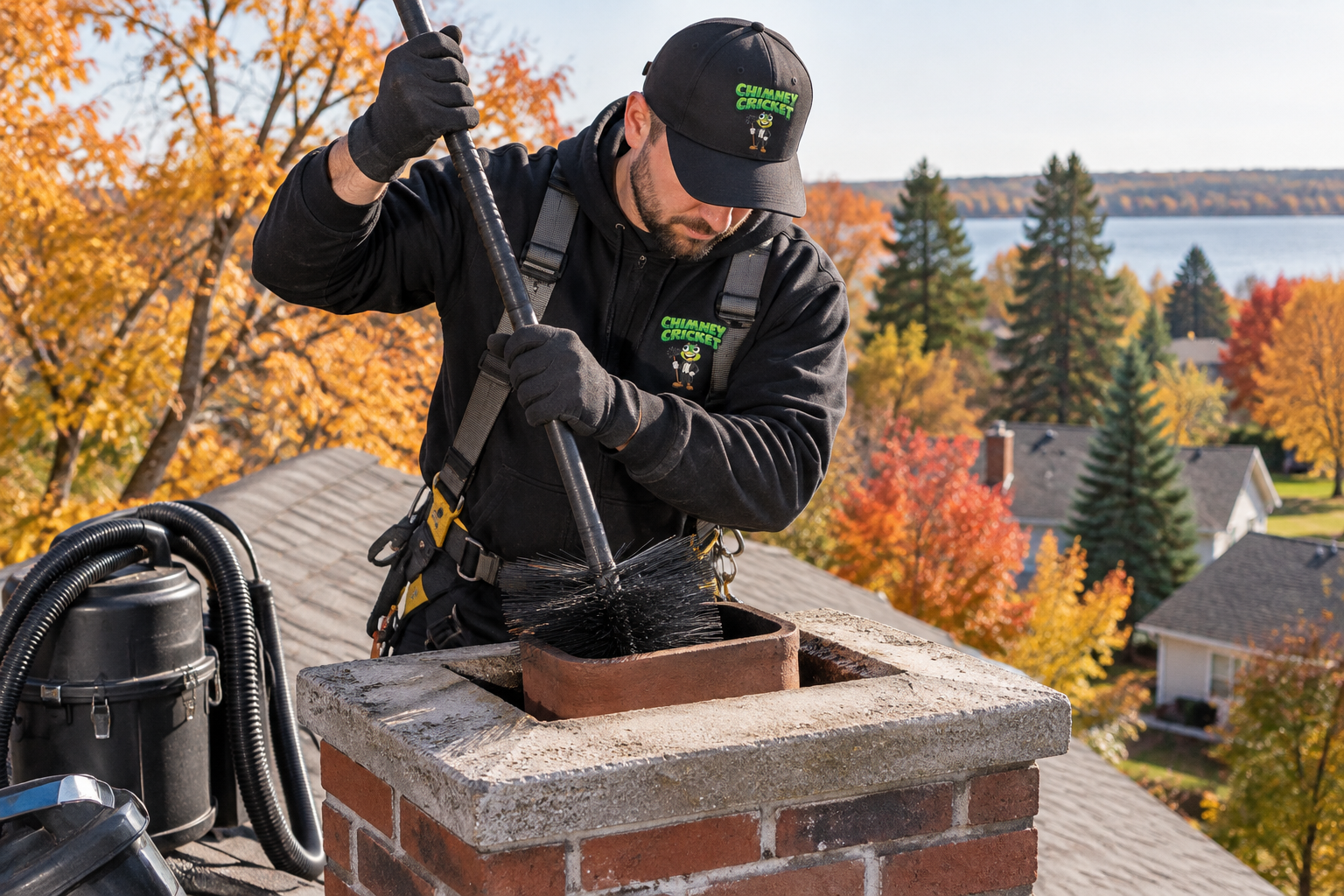
Why Chimney Inspection Timing Minneapolis Matters
The timing of your professional assessment directly impacts your home’s safety and the effectiveness of the inspection itself. Too early and you’re paying for information that becomes outdated. Too late and you’re discovering problems after winter damage has escalated costs dramatically.
Weather Conditions Affect Inspection Quality
Minnesota’s seasonal weather patterns significantly influence inspection quality and contractor availability. Professional chimney inspectors need specific conditions to perform thorough assessments safely and accurately.
October-November (Ideal conditions):
Mild temperatures allow detailed exterior inspection from roofline and ground. Dry weather provides safe roof access without slip hazards. Video inspection equipment functions optimally in moderate conditions. Contractors have good availability before November rush. Weather is generally stable for accurate, unhurried assessment.
December-March (Challenging conditions):
Ice and snow complicate roof and ground access dangerously. Cold temperatures affect video equipment performance and battery life. Contractors are fully booked or emergency-only, creating long wait times. Weather delays frequently postpone scheduled assessments. Safety risks increase significantly for contractors working on icy surfaces.
April-September (Variable conditions):
Spring offers decent post-winter conditions for exterior assessment. Summer heat and humidity can affect video camera functionality. Fall weather returns to ideal conditions as season approaches. Contractors have moderate availability during summer shoulder season. Fall scheduling provides optimal conditions approaching winter season.
Scheduling your chimney inspection timing Minneapolis during optimal weather (August-October) ensures thorough assessment, contractor safety, and reliable findings.
Fireplace Usage Patterns Determine Inspection Needs
How you use your fireplace directly affects inspection frequency and optimal timing. Your specific usage pattern should dictate when you schedule professional assessment.
Heavy fireplace users (regular weekly use during season):
Annual inspection is essential before season begins. Optimal timing: August-September (before regular use starts). Rationale: Heavy creosote accumulation requires close monitoring before winter use.
Moderate fireplace users (occasional weekend use):
Annual inspection is still recommended for safety and compliance. Optimal timing: September-October (before winter season begins). Rationale: Creosote buildup still occurs despite lighter use patterns.
Light fireplace users (a few times yearly):
Inspection every 2-3 years may be acceptable based on minimal usage. Optimal timing: Every other year in fall/early winter. Rationale: Lighter use means slower creosote and deterioration progression.
Non-users (fireplace not actively used):
Inspection still recommended every 2-3 years despite non-use. Optimal timing: Before resuming use or during spring assessment. Rationale: Hidden damage, water intrusion, and animal entry can develop even without active use.
Your specific usage pattern dictates ideal chimney inspection timing Minneapolis. More frequent use demands earlier, more consistent inspections.
Freeze-Thaw Damage Acceleration Demands Fall Timing
Minnesota’s extreme freeze-thaw cycles create urgency for fall inspections. Water entering your chimney in fall will freeze by November, expand by approximately 9%, and shatter masonry repeatedly throughout the 50-100+ freeze-thaw cycles during winter.
Here’s the critical timing principle: Problems identified in October can be repaired in October with proper mortar curing conditions and contractor availability. The same problems left unrepaired through winter escalate dramatically due to freeze-thaw damage, increasing repair costs 4-8x by spring.
According to the National Fire Protection Association (NFPA) Standard 211, annual inspections protect homeowners by identifying safety issues early. This freeze-thaw reality makes fall inspection timing not just recommended—it’s essential for Minnesota homeowners. You need to identify problems when there’s still time to repair them before winter damage multiplies exponentially.
The Three Critical Moments for Chimney Inspection Timing Minneapolis
Your inspection timing should align with these three critical windows in the heating season cycle. Each window serves different purposes and offers distinct advantages for homeowners and contractors.
Pre-Season Inspection (August-September): Your Ideal Window
This is your optimal timing window—the moment when early planning pays maximum dividends.
What this timing covers:
Assessment occurs before fireplace season begins in earnest. Existing damage is identified before winter arrives. Time remains to complete repairs before freeze-thaw cycles damage escalates. Contractors have solid availability and aren’t fully booked. Weather is ideal for detailed exterior inspection.
Best for:
Fireplace users planning regular winter use. Homeowners wanting maximum time to arrange repairs. Those prioritizing safety before season starts. Families with young children or elderly members in the home.
Practical timeline:
August: Contact contractors for pre-season inspection scheduling. September: Schedule and complete pre-season inspection appointment. October: Arrange any needed repairs; complete before November when mortar curing becomes problematic. November: Begin fireplace use with confidence and peace of mind.
Why this timing works:
You identify problems when there’s adequate time to repair them before winter damage accelerates. Contractors have availability and can schedule promptly. Weather is optimal for thorough inspection. Mortar curing conditions are perfect for any repairs. You enter winter knowing your chimney is safe.
Pre-season inspection timing (August-September) allows you to address problems before they become emergency situations.
Pre-Winter Inspection (October-Early November): Your Last-Chance Window
This is your final opportunity to identify and address problems before freeze-thaw damage multiplies. It’s less ideal than pre-season timing but still viable.
What this timing covers:
Assessment occurs before serious freeze-thaw cycles begin in earnest. Urgent repairs are identified while correction is still possible. Time exists for critical repairs, though less time than earlier windows. Contractors are busier but still accepting new inspections. Weather is cooling but acceptable for exterior inspection work.
Best for:
Homeowners who missed the August-September window. Those discovering potential problems in early fall. Situations where spring inspection revealed issues needing reassessment. Emergency reassessment scenarios requiring urgent action.
Practical timeline:
Late October: Schedule urgent inspection with contractor. Early November: Receive inspection report and assessment. Mid-November: Complete critical repairs before mortar curing becomes problematic in sustained freezing.
Why this timing works:
This is your final opportunity to identify and repair problems before freeze-thaw damage multiplies exponentially. November is the critical cutoff date because mortar won’t cure properly in sustained freezing temperatures. After mid-November, repairs entered into freezing conditions won’t harden correctly.
October-early November represents your last chance to intervene before winter damage escalates costs dramatically.
Post-Winter Inspection (April-May): Spring Assessment Window
This timing occurs after winter ends, revealing the actual damage freeze-thaw cycles inflicted. It’s crucial for understanding escalation patterns and planning comprehensive repairs.
What this timing covers:
Assessment reveals winter damage after the heating season ends. Evaluation shows how existing problems escalated over winter. New damage from freeze-thaw cycles is identified. Planning occurs for summer repairs and fall readiness. Contractors have excellent availability in spring.
Best for:
Assessing winter damage after the heating season concludes. Planning repairs before the next winter season approaches. Understanding what deteriorated over winter and why. Homeowners who skipped fall inspections (not recommended). Determining urgency for preparations before upcoming season.
Practical timeline:
April: Schedule spring inspection appointment. May: Receive report and thoroughly assess identified damage. June-September: Complete repairs during ideal weather with contractor availability. October: Follow up with pre-season inspection before next heating season.
Why this timing works:
You can see what damage actually occurred over winter, understand escalation patterns from identified problems, and plan comprehensive repairs during ideal weather conditions. This allows sufficient time for repairs before the next winter season begins. Summer and early fall provide excellent contractor availability.
Post-winter inspection reveals the consequences of unaddressed fall problems—providing crucial data for future prevention.
Understanding Professional Standards for Chimney Inspection Timing Minneapolis
Professional organizations establish guidelines for when inspections should occur based on usage patterns and risk factors. These aren’t suggestions—they’re safety standards developed from decades of professional experience.
National Fire Protection Association (NFPA) Recommendations
The National Fire Protection Association (NFPA) establishes national standards for chimney safety and inspection requirements. NFPA Standard 211 specifically addresses inspection frequency and optimal timing.
NFPA inspection frequency guidelines:
Chimneys serving fireplaces: Annual inspection minimum recommended. Chimneys serving wood stoves: Annual inspection before season required. Chimneys serving furnaces/boilers: Annually if actively used. After chimney fires: Inspection required before resuming use. Following structural changes: Immediate inspection needed.
Minneapolis homeowners using their fireplaces should follow NFPA’s annual inspection recommendation without exception. Timing should occur before regular use begins—ideally August through October for optimal conditions and contractor availability.
Chimney Safety Institute of America (CSIA) Professional Standards
The Chimney Safety Institute of America (CSIA) certifies chimney inspectors and establishes professional standards for assessment quality and timing recommendations.
CSIA-certified inspector advantages:
Professionals are trained in optimal inspection timing based on climate and usage. Certification includes comprehensive understanding of seasonal factors. Inspectors know specifically how Minnesota climate affects timing and repair urgency. Certified professionals can explain timing rationale and recommendations clearly. CSIA standards guide frequency recommendations for individual situations.
When scheduling your chimney inspection timing Minneapolis, specifically request a CSIA-certified inspector. They understand professional timing standards and can recommend optimal scheduling tailored to your specific situation and usage patterns.
Verification of Professional Credentials
The Verified Chimney Professionals Directory helps homeowners locate professionals who follow industry timing standards and maintain current certifications.
Using this resource effectively:
Search for CSIA-certified inspectors in your Minneapolis area. Verify professionals understand NFPA timing standards. Check ratings and reviews from other homeowners about scheduling responsiveness. Confirm contractors understand seasonal factors specific to Minnesota. Review expertise in freeze-thaw damage and local climate considerations.
Using the Verified Chimney Professionals Directory ensures you’re working with inspectors who understand optimal chimney inspection timing Minneapolis and follow established professional standards.
What Triggers Urgent Chimney Inspection Timing Minneapolis
Certain situations demand immediate inspection outside normal scheduling patterns. These emergency conditions override all standard timing considerations.
Red Flag Situations: Inspect Immediately (Within 24-48 Hours)
Active Water Damage:
Water dripping into your fireplace, ceiling stains expanding, or damp walls near your chimney indicate urgent water intrusion. Schedule inspection within days, not weeks. Don’t delay hoping the problem resolves itself.
Missing or Damaged Chimney Cap:
If your cap is missing, loose, or severely corroded, inspection is urgent. Water is currently entering your chimney system continuously. This is an emergency that accelerates damage hourly.
Visible Structural Damage:
Large cracks in exterior chimney, bricks spalling (faces breaking away), or obvious chimney leaning requires immediate professional assessment. Structural compromise is serious.
Chimney Fire or Smoke Damage:
After any chimney fire or noticeable smoke problems, inspection is essential before resuming fireplace use. Schedule within 24-48 hours. Using your fireplace after a fire without inspection is dangerous.
Animal or Pest Entry Signs:
Evidence of animals in your chimney, nesting materials, or droppings requires inspection to assess extent and plan remediation. Animal entry creates multiple hazards.
Visible Mold or Mildew:
Active mold growth inside fireplace or on interior walls signals moisture intrusion and potential health hazard. Inspection is urgent.
Yellow Flag Situations: Schedule Within 2-4 Weeks
Unusual Fireplace Behavior:
Smoke backing up into room, strange odors, or reduced draft indicate potential obstruction or venting problems. Assessment is needed soon but not immediately urgent.
Dampness or Musty Smells:
Moisture presence near chimney without visible water damage still needs professional evaluation. The problem may be developing.
Minor Water Stains:
Single water marks that aren’t growing still warrant professional assessment to identify source before problems escalate into major issues.
Extended Time Since Last Inspection:
If it’s been more than a year since your last inspection, schedule assessment in fall before season begins. Don’t let too much time pass without professional evaluation.
Seasonal Factors Affecting Chimney Inspection Timing Minneapolis
Minnesota’s distinct seasons create specific considerations for optimal inspection timing. Each season presents unique advantages and challenges.
Fall (August-November): Ideal Inspection Season
Advantages:
Mild temperatures allow thorough exterior inspection safely. Dry weather provides reliable roof access without slip hazards. Video inspection equipment functions optimally in moderate conditions. Contractors have good availability, especially before October rush. Time remains to repair before freeze-thaw cycles begin. Perfect conditions for accurate, detailed assessment.
Disadvantages:
October and November contractor availability tightens as demand increases. Late fall weather becomes increasingly unpredictable. Rushing repair arrangements as winter approaches. Some contractors become fully booked.
Optimal timing: August through early November, with August-September being ideal.
Winter (December-February): Problematic Inspection Season
Disadvantages:
Ice and snow complicate roof access dangerously. Cold temperatures affect equipment performance and battery longevity. Contractors are fully booked or emergency-only, creating long wait times. Safety risks increase significantly for inspectors working elevated positions. Weather delays frequently postpone scheduled assessments. Difficult conditions limit inspection thoroughness and accuracy.
When necessary:
Only for urgent situations demand winter inspection. Emergency assessment after visible damage or safety concerns. When safety concerns demand immediate attention and can’t wait for spring.
Important note: Plan to avoid winter inspections except emergencies.
Spring (March-May): Good Assessment Season
Advantages:
Ice and snow have cleared, allowing safe roof access. Temperatures moderate for outdoor work safely. Contractors have availability as winter demand ends. Can assess winter damage and freeze-thaw effects. Good conditions for thorough, detailed inspection. Excellent opportunity to plan summer repairs.
Disadvantages:
Freeze-thaw damage may have already multiplied significantly. Less time remains to complete repairs before next winter. May identify extensive damage requiring extended summer work. Discovery of problems already done (rather than prevention).
Optimal timing: April-May for post-winter assessment, though earlier fall timing prevents the damage you’d be assessing.
Summer (June-July): Least Favorable Season
Disadvantages:
Heat affects video equipment performance and functionality. Contractors are extremely busy with other work. Summer storms can complicate scheduling and access. Less motivation to schedule (no immediate fireplace need apparent). Furthest time from next winter use season.
When appropriate:
Only if repairs are needed from spring damage discovered. Completing repair work before fall season begins. Non-urgent assessments delayed from spring assessment window.
Creating Your Annual Chimney Inspection Timing Minneapolis Calendar
Strategic planning ensures you maintain regular assessments at optimal times. A personalized calendar helps you stay consistent and avoid missing critical windows.
Heavy Fireplace Users
Recommended schedule:
August: Contact contractors for pre-season inspection scheduling. September: Schedule and complete pre-season inspection. October: Arrange any needed repairs; complete before November. December-February: Use fireplace safely based on September inspection findings. April: Schedule spring assessment if concerned about winter damage.
Rationale: Heavy use demands thorough pre-season assessment to establish safety baseline. Spring check-in ensures winter damage didn’t occur despite pre-season clearing.
Moderate Fireplace Users
Recommended schedule:
September: Schedule fall inspection appointment. October: Complete inspection; arrange repairs if needed. November-February: Use fireplace with confidence. Every other year April: Schedule spring assessment. Alternate years: Skip spring assessment.
Rationale: Annual fall inspection catches problems before escalation. Spring assessment every other year monitors winter damage patterns without unnecessary expense.
Light Fireplace Users
Recommended schedule:
September, odd years: Schedule fall inspection. October, odd years: Complete inspection; address issues identified. April, even years: Spring assessment every other year. Plan 2-3 year cycle of assessments overall.
Rationale: Lighter usage allows longer intervals between inspections while maintaining safety. Fall assessment before potential use and occasional spring check-ins maintain comprehensive protection.
Non-Fireplace Users
Recommended schedule:
Every 2-3 years: Schedule assessment appointment. Before resuming use: Mandatory inspection required. Timing: Fall for upcoming winter use planning. Spring assessment: If planning summer entertaining use.
Rationale: Even unused chimneys need periodic inspection to catch deterioration. Assessment before resuming use is essential for safety.
Our Services
Explore the full range of Chimney Crickets services for Minnesota homeowners:
🔍 Chimney Inspections — Start with a professional evaluation before any repair
🧱 Chimney Repointing — Restore deteriorated mortar joints in Minnesota masonry
👑 Chimney Crown Repair — Seal or rebuild a cracked or damaged chimney crown
🔩 Chimney Flashing Repair — Stop water entry at the roof-chimney junction
💧 Chimney Leak Repair — Trace and resolve active moisture entry
🛡️ Chimney Waterproofing — Protect repaired masonry from future moisture damage
🏗️ Full Masonry Repair — Comprehensive brick and mortar restoration
Serving Minnesota Homeowners
Chimney Crickets serves homeowners throughout Bloomington, Minneapolis, the South Metro and surrounding Minnesota communities.
Frequently Asked Questions
When is the best time to schedule a chimney inspection timing Minneapolis?
August-October is ideal. September-October is the standard window for most homeowners. November is the absolute deadline before mortar curing becomes problematic in freezing temperatures. Avoid winter inspections except for genuine emergencies.
How often should I have a chimney inspection if I use my fireplace regularly?
Annual inspection is recommended by NFPA standards. Schedule before your heating season begins, ideally September-October when weather is optimal and contractors have availability.
What if I haven't had an inspection in several years?
Schedule immediately. Fall is preferred timing, but any time is better than continuing to delay. After initial inspection, follow annual or bi-annual schedule based on professional recommendations and findings.
Can I schedule a chimney inspection in winter?
Only for urgent situations requiring emergency assessment. Winter weather complicates inspection quality significantly, contractor availability is severely limited, and equipment performance is affected by cold temperatures.
What's the difference between a pre-season and post-season inspection?
Pre-season inspection (August-October) occurs before fireplace season, identifying problems for repair prevention. Post-season inspection (April-May) occurs in spring, revealing winter damage and planning repairs.
How long does a professional chimney inspection take?
A typical Level 1 visual inspection takes 45 minutes to 1 hour. Level 2 inspection with video camera takes 1-2 hours. Plan accordingly when scheduling your appointment.
Why is fall inspection timing better than spring?
Fall timing allows you to repair problems before winter freeze-thaw cycles multiply damage exponentially. Spring inspections reveal damage already done. Fall inspections prevent the damage from occurring.
What triggers immediate chimney inspection regardless of timing?
Water intrusion, missing cap, visible structural damage, chimney fire, animal entry, or mold growth require immediate inspection regardless of season or normal timing patterns.
What is NFPA Standard 211 recommendation for inspection frequency?
NFPA Standard 211 recommends annual inspection for chimneys serving fireplaces, wood stoves, or other heating appliances. More frequent inspection may be needed based on usage.
How much does a professional chimney inspection cost in Minneapolis?
Inspections typically cost $150-$300. Cost varies based on inspection type (Level 1 visual vs. Level 2 with video), location within service area, and contractor pricing structures.
Should I wait to schedule inspection until I notice problems?
Never wait. Annual inspections catch developing problems before they become obvious and costly. Problems are exponentially cheaper and easier to fix early. Waiting for visible signs means problems have already significantly escalated.
What's the benefit of CSIA-certified inspector for inspection timing?
CSIA-certified professionals understand optimal timing based on Minnesota climate, usage patterns, and professional standards. They provide expertise beyond basic inspection and explain timing rationale clearly.
Can I combine chimney inspection with cleaning in the same visit?
Usually yes. If inspection reveals creosote buildup requiring cleaning, cleaning can often be completed immediately. Discuss this possibility when scheduling your inspection appointment.
How should I plan inspections if I'm buying a home with a fireplace?
Schedule inspection before closing if possible. Pre-purchase inspection reveals any needed work before you take ownership responsibility and liability for repairs.
What is NFPA Standard 211 recoWhat documentation should I request from inspection to plan future timing?mmendation for inspection frequency?
Request written findings clearly documented, recommendations with prioritization levels, cost estimates for identified repairs, photos or video evidence, and explicit guidance on next inspection timing based on professional findings.